
View from the Artist’s Window — History & Facts
Can beauty exist without sorrow? In the quiet confines of a studio, a world unfolds—one where the passage of time intertwines with fleeting moments of tranquility. Look to the left at the expansive view that stretches beyond the window frame, where rolling hills meet the horizon in soft, muted greens and blues. Notice how the gentle brushwork captures the shimmering light of a late afternoon, casting delicate shadows that dance across the canvas. The layered clouds above hint at the inevitability of change, while the architecture of the building—solid yet unremarkable—anchors the ethereal beauty of nature just outside. Beneath the serene landscape lies a tension between longing and acceptance.
The scene portrays a moment of stillness, yet it is suffused with a sense of temporality, as if acknowledging the fleetingness of both nature and the artist’s own existence. The contrast between the vibrant colors of the landscape and the muted tones of the interior reflects the duality of joy and melancholy, suggesting that even in beauty, there is an awareness of loss and the relentless march of time. Martinus Rørbye painted this view between 1823 and 1827, during his early career in Denmark. This period was marked by a growing interest in realism and the natural world, as artists sought to capture authentic experiences.
Amidst these artistic explorations, Rørbye's personal journey was one of introspection, reflecting the delicate balance of beauty, memory, and the inexorable passage of time.
More Artworks by Martinus Rørbye
Browse all →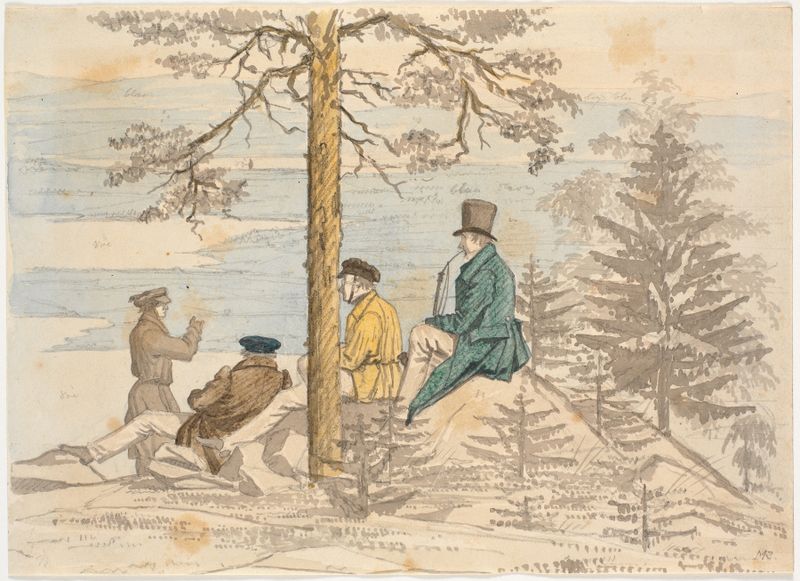
Fire mænd betragter udsigten fra Holmekollen
Martinus Rørbye
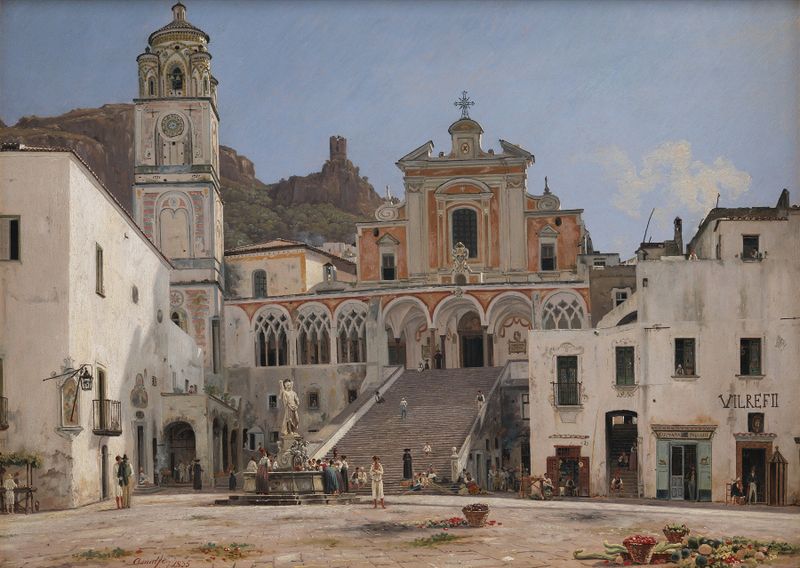
View of the Square in Amalfi
Martinus Rørbye
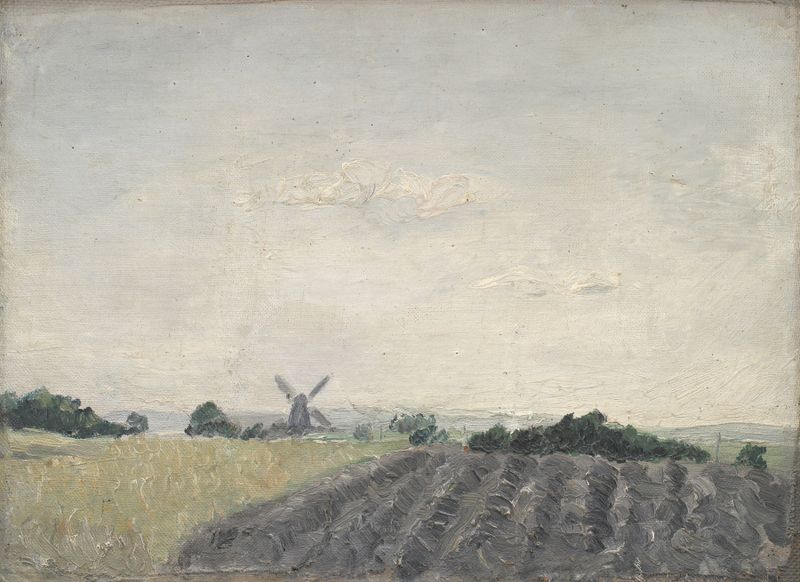
A Courtyard in Rome. Copy after Eckersberg
Martinus Rørbye
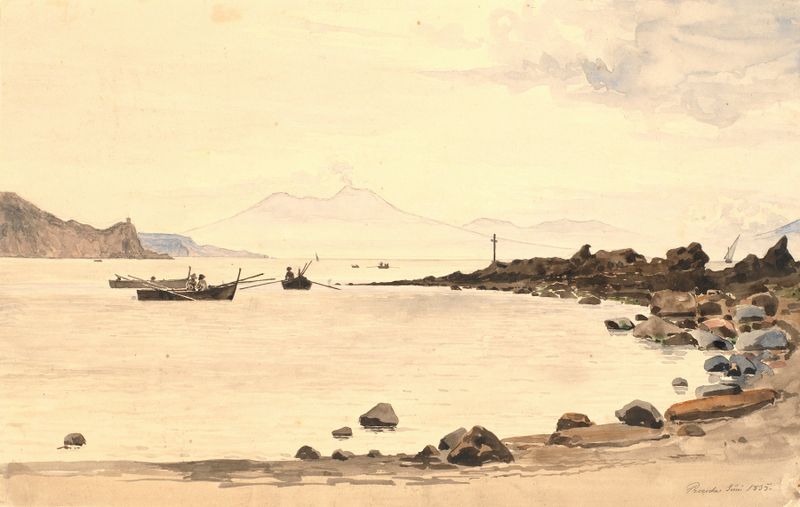
Udsigt mod Vesuv fra Procida
Martinus Rørbye
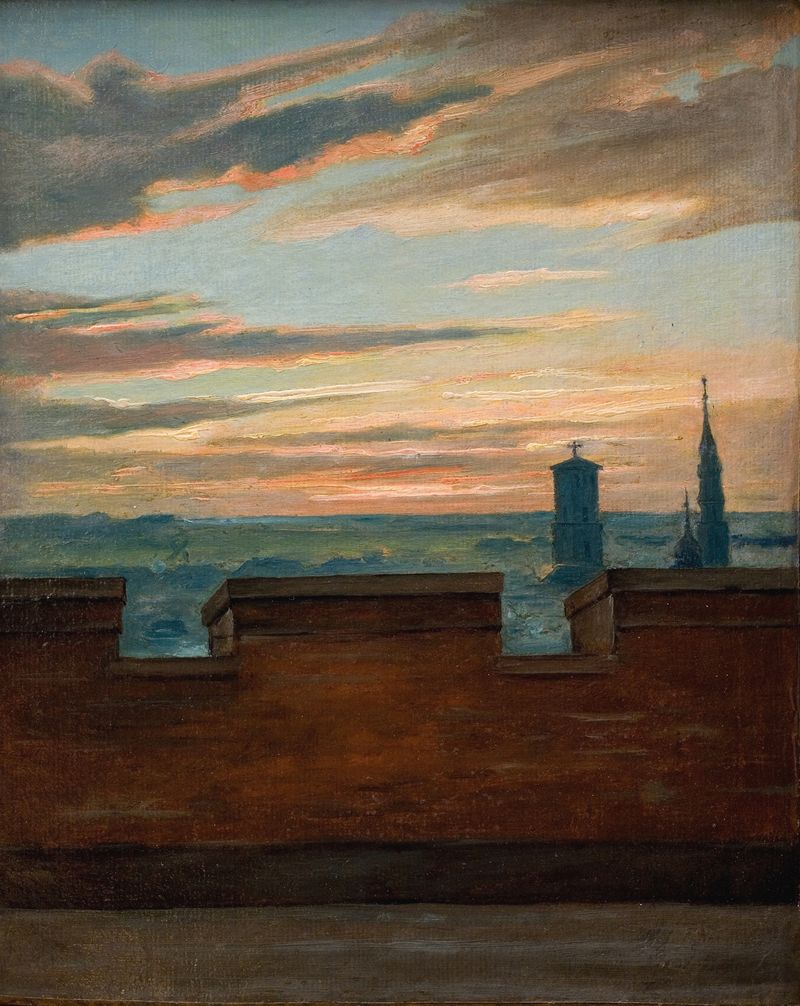
View of Copenhagen at Sunset
Martinus Rørbye
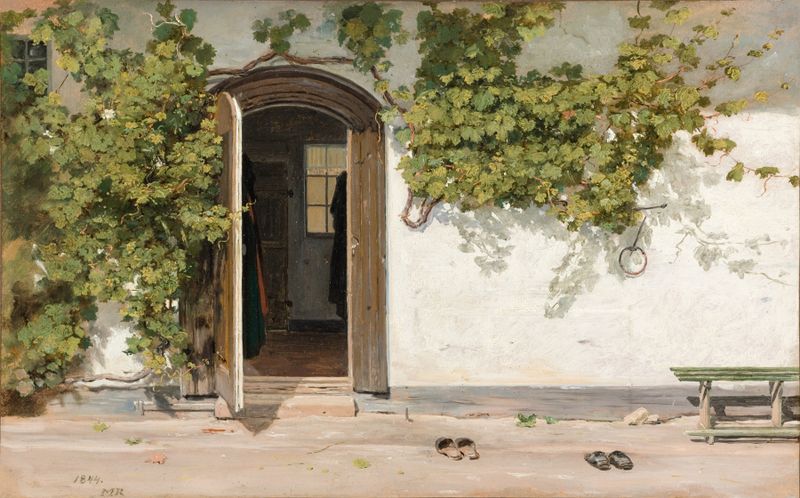
Entrance to an Inn in the Praestegarden at Hillested
Martinus Rørbye
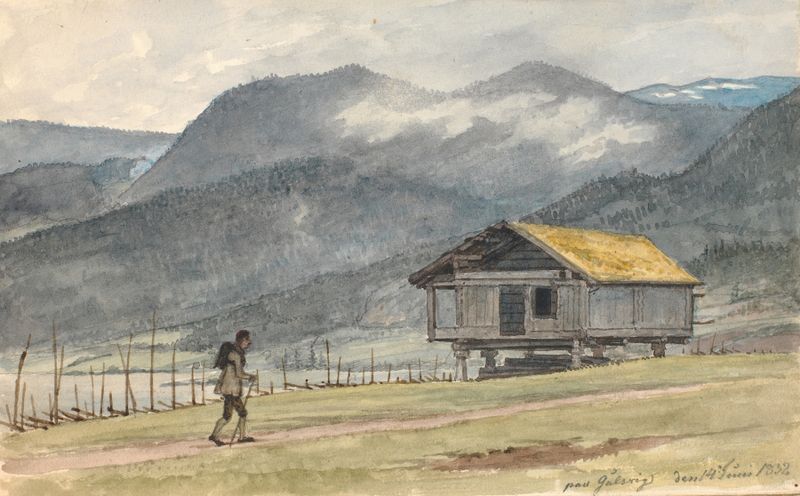
Fjeldlandskab med hytte og vandrer
Martinus Rørbye
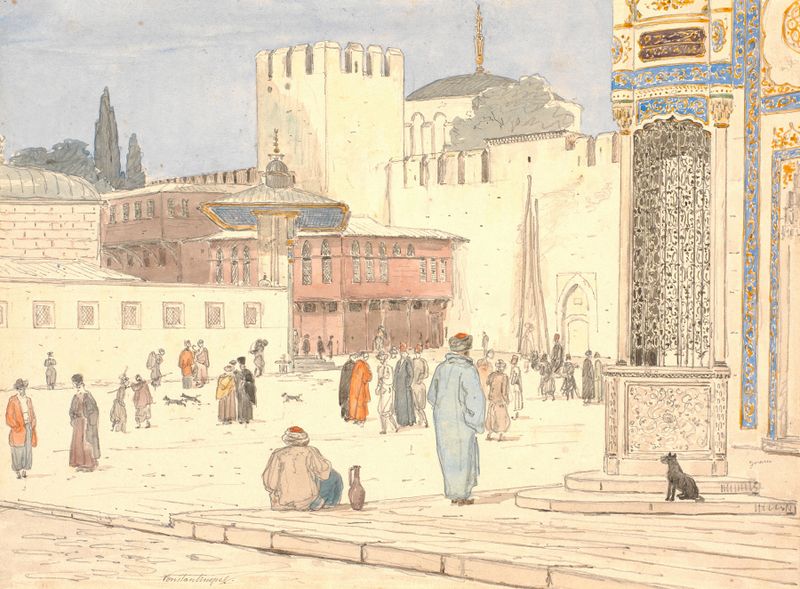
The Square in Front of Bab-i-Hümayan in Constantinople
Martinus Rørbye
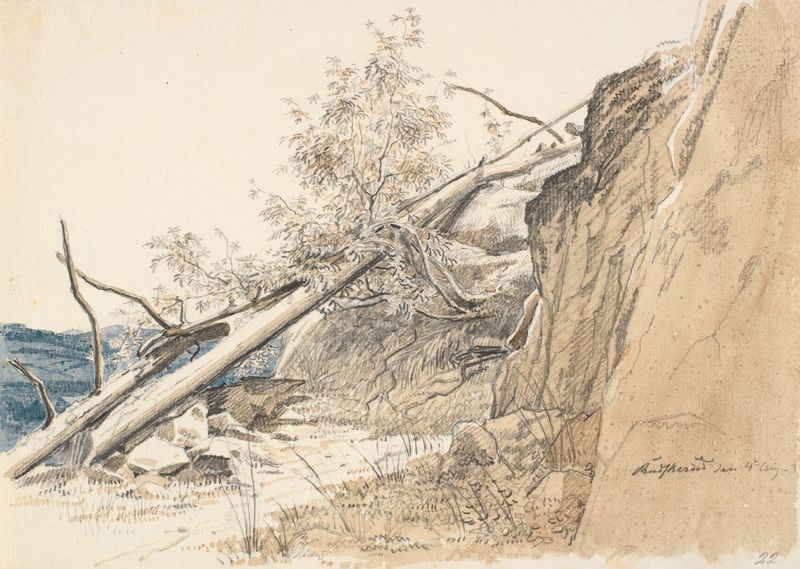
Tree Trunk Leaning Against a Rock. Norway
Martinus Rørbye
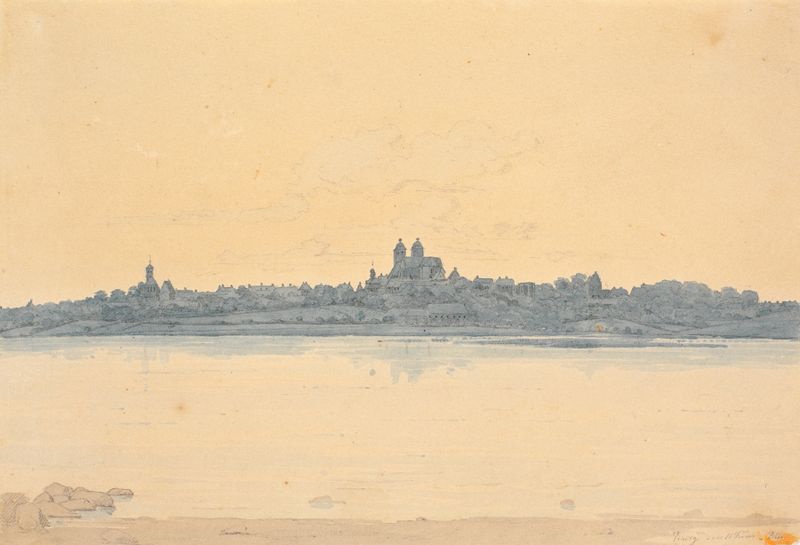
Viborg Seen from Asmild Klosterhave near Søndersø
Martinus Rørbye





