View of Collioure — History & Facts
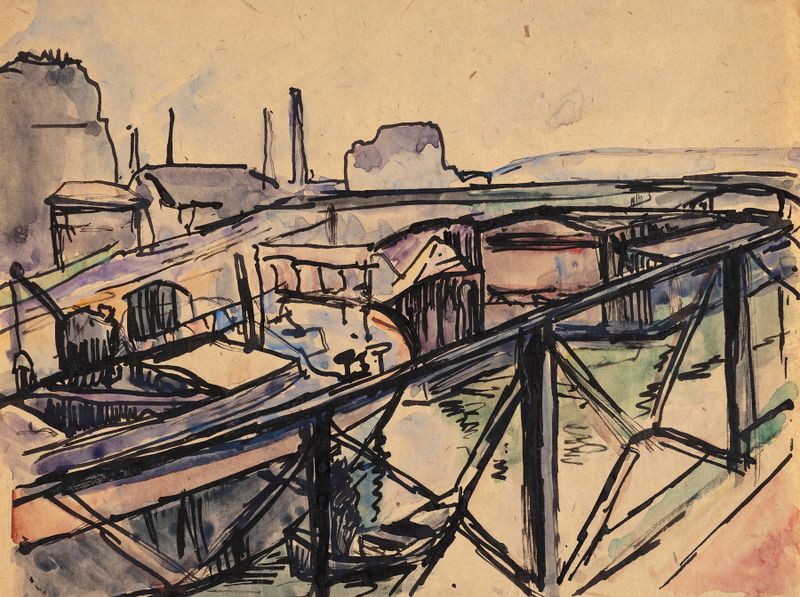
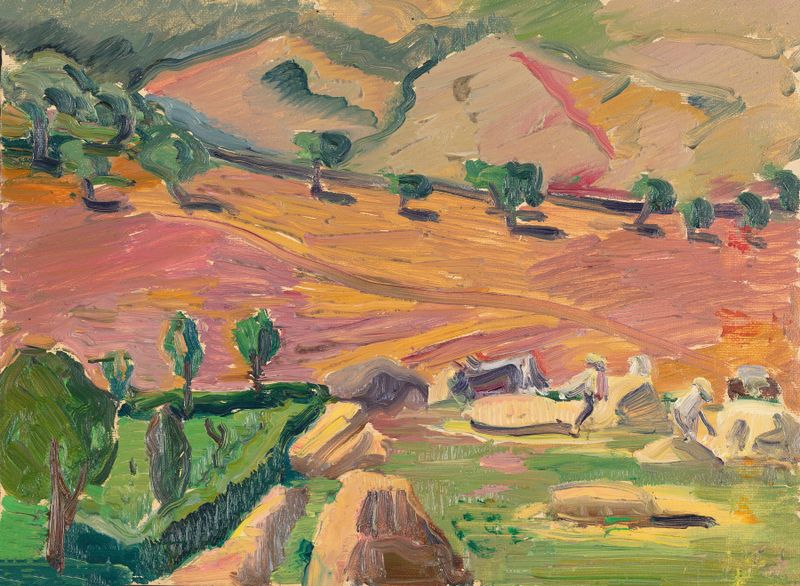
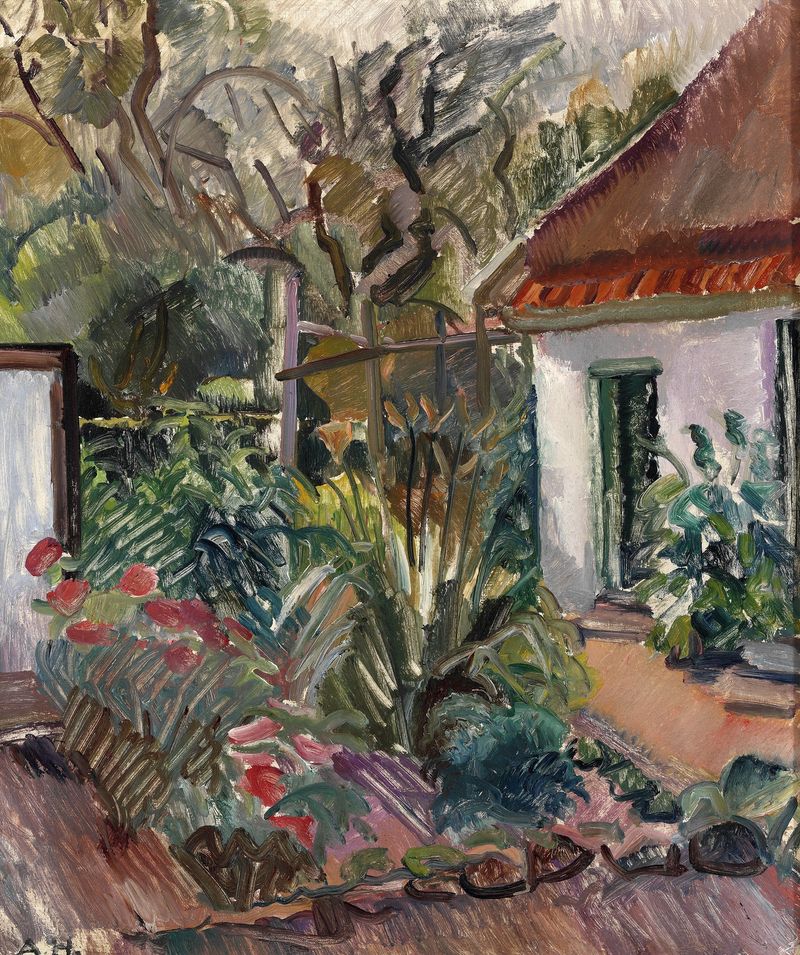
What secret hides in the quiet of the canvas? In View of Collioure, a gentle invitation reveals the innocence of an untouched landscape, where nature whispers rather than shouts. Look to the vibrant blues that sweep across the sea, reflecting the cerulean sky above. Notice how the warm golden hues embrace the sunlit buildings that dot the shore, each brushstroke carefully layered to evoke a sense of warmth and familiarity. The composition draws the eye toward the horizon, where land and water meet in a seamless dance, reminding us of life’s inherent simplicity.
Holm’s technique embraces both impressionistic softness and precise detail, creating a tactile quality that envelops the viewer. As you delve deeper, you may observe the subtle contrasts between light and shadow, hinting at life's transient beauty. The languid waves speak of serenity, while the distant hills hold a sense of mystery, suggesting hidden stories waiting to unfold. This delicate balance encapsulates the emotional tension between innocence and the passage of time, capturing a moment that feels both eternal and fleeting. Astrid Holm painted View of Collioure in 1913, during her time in the picturesque town on the French coast.
At this point in her career, she was influenced by the burgeoning avant-garde movement, yet she remained deeply rooted in her exploration of light and color. The work reflects a period when artists were increasingly drawn to the interplay between nature and emotion, capturing the essence of their surroundings with a fresh, modern approach.