
View of Delft (Augustus Wall Callcott) — History & Facts
In the stillness of View of Delft, a delicate madness lingers, inviting us to explore the world captured by the artist’s hand. It beckons us to unravel the layers of color and shadow, where reality dances on the brink of illusion. Look to the left at the vibrant blues and greens, as they flow seamlessly into the tranquil waters of the canal. The architecture rises proudly along the skyline, each building meticulously defined against the luminous backdrop.
Notice how the light falls upon the rooftops, casting soft shadows that create depth and dimension, drawing you deeper into the scene. The brushwork, both precise and fluid, breathes life into the urban landscape, inviting you to linger in this moment of quiet contemplation. Amidst the architectural grandeur, contrasts emerge — the bustling life of the city juxtaposed with the serene waterway. The clouds hang heavy above, hinting at a storm not far off, yet their presence also signifies promise and change.
Each stroke reveals a tension between chaos and calm, mirroring the artist's own struggles with the creative process. It is as if Marvy captures not just a view, but the essence of madness that fuels artistic endeavor — the desire to encapsulate fleeting beauty amidst the turmoil of existence. In 1850, Louis Marvy painted this work amid a flourishing art scene in France, where Romanticism was giving way to Realism. He sought to express both the familiar and the extraordinary in everyday life.
As artists began to embrace the realities of modernity, Marvy's depiction of Delft stands as a striking testament to the intersection of imagination and reality, an echo of his own time.
More Artworks by Louis Marvy
Browse all →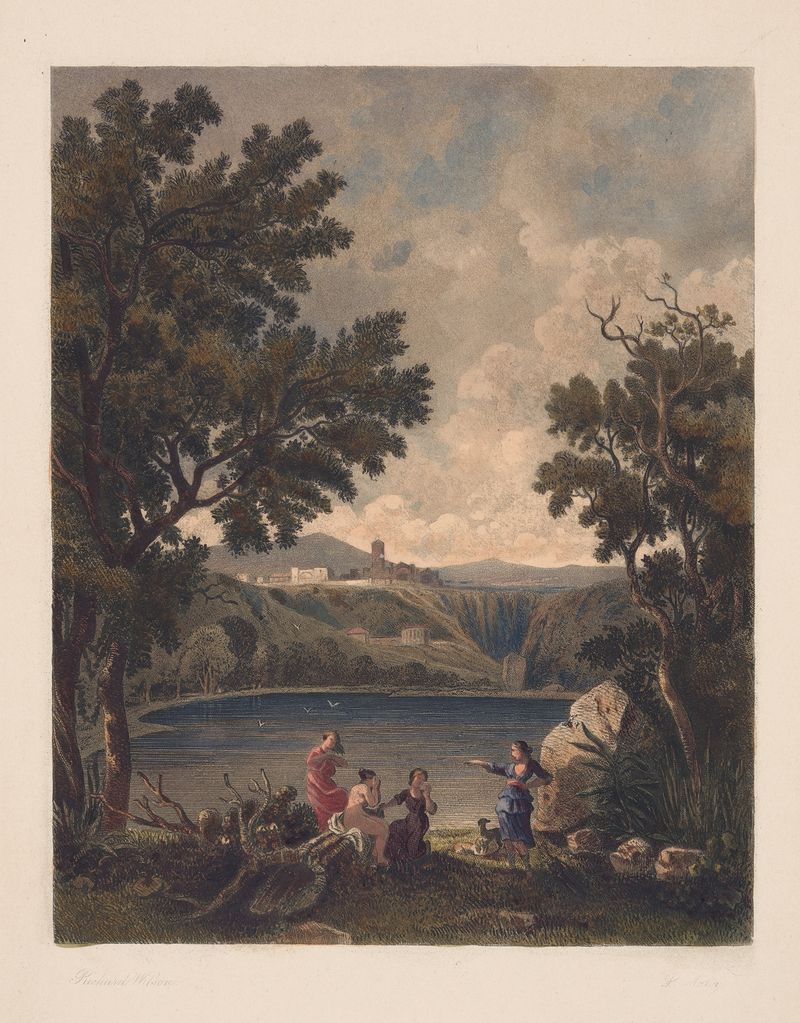
Diana and Callisto (Richard Wilson)
Louis Marvy
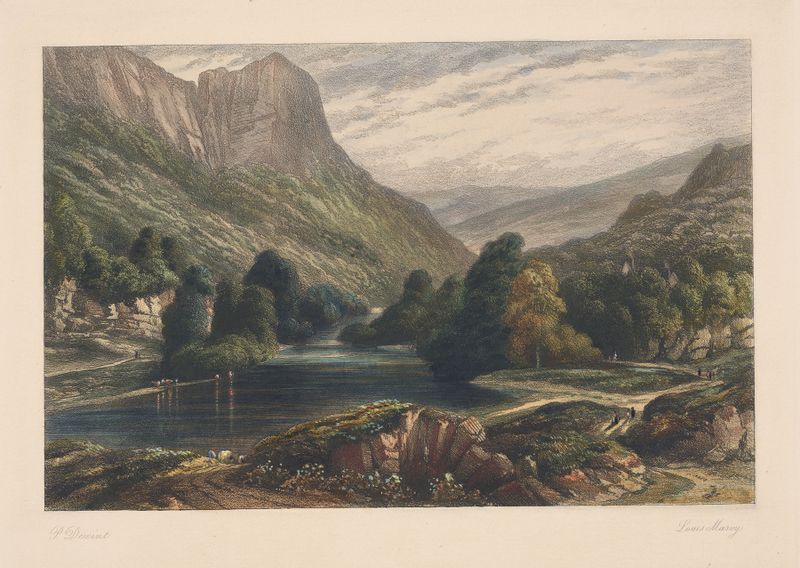
Landscape with mountain lake (Peter DeWint)
Louis Marvy
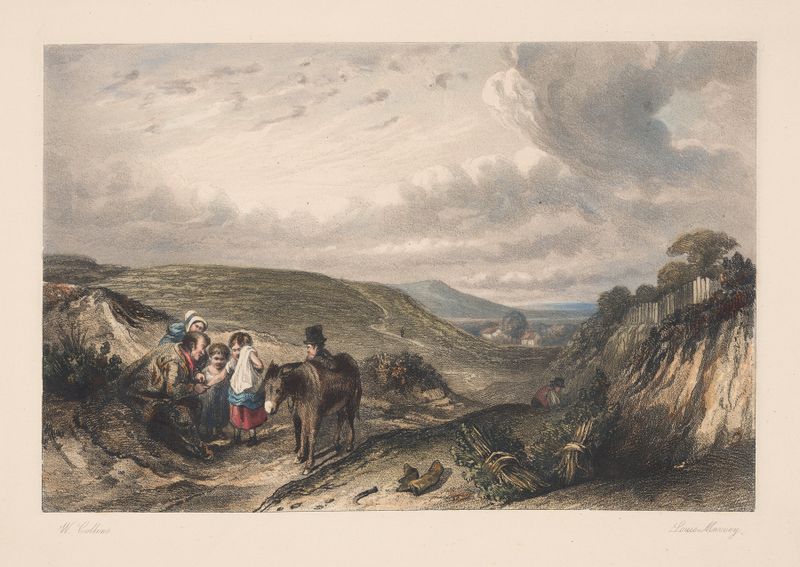
Landscape with woodgatherers (William Collins)
Louis Marvy
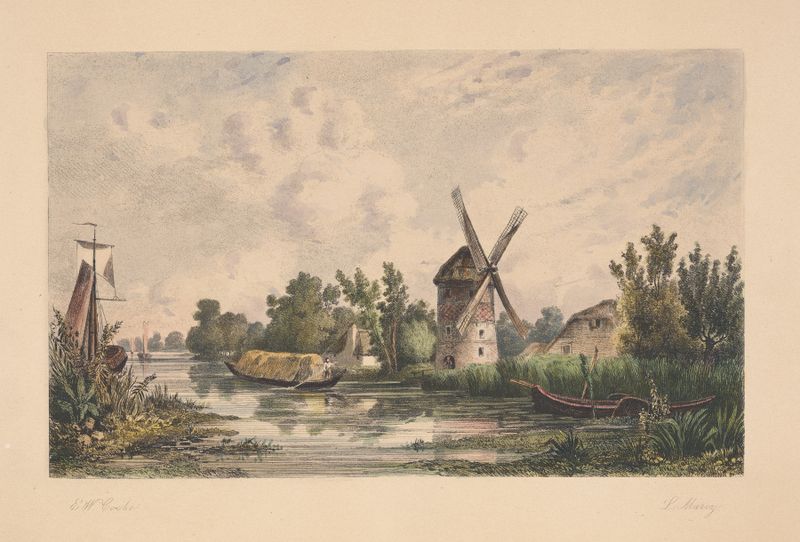
Landscape with windmill (Edward William Cooke)
Louis Marvy
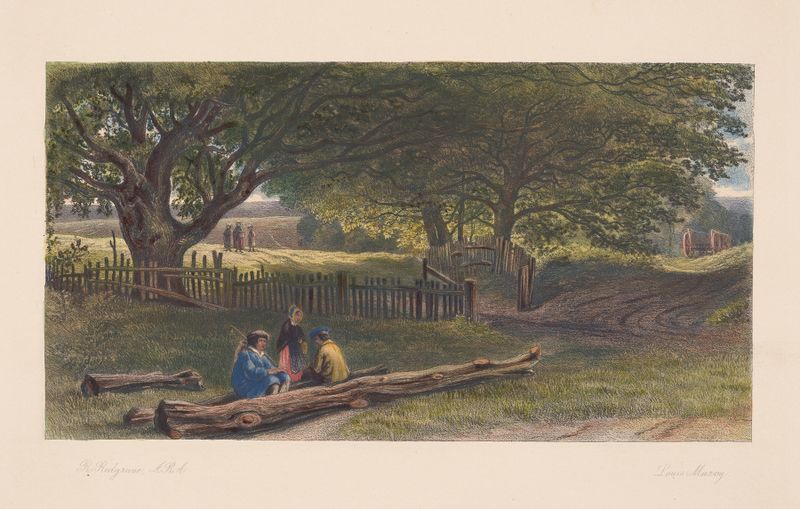
Landscape with gypsies (Richard Redgrave)
Louis Marvy
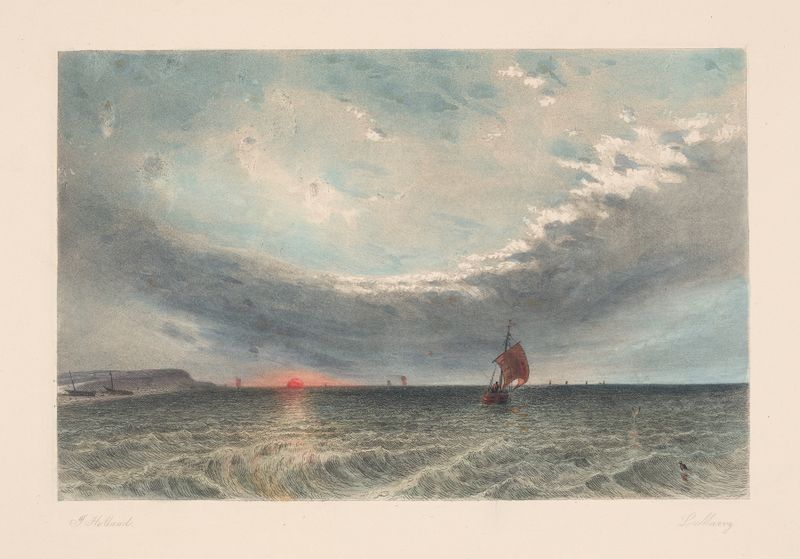
Seascape at sunset (James Holland)
Louis Marvy
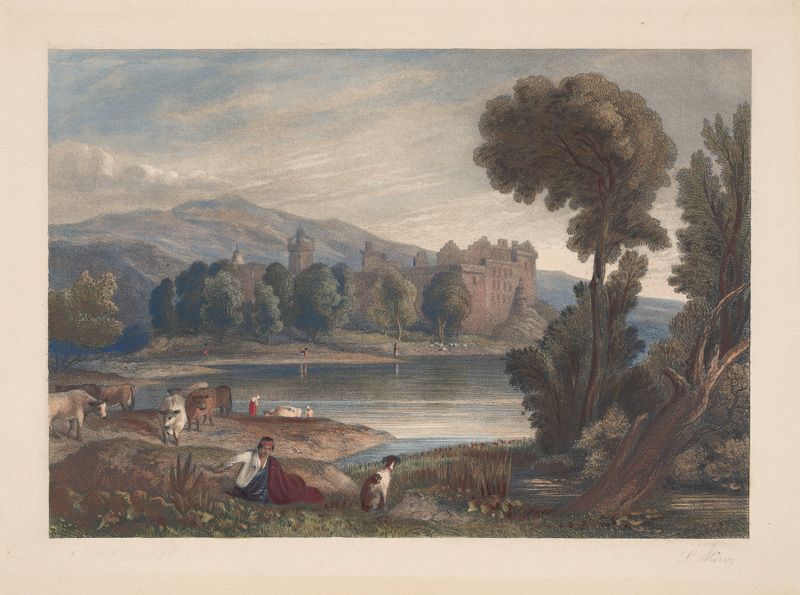
Lakeside castle (Joseph Mallord William Turner)
Louis Marvy
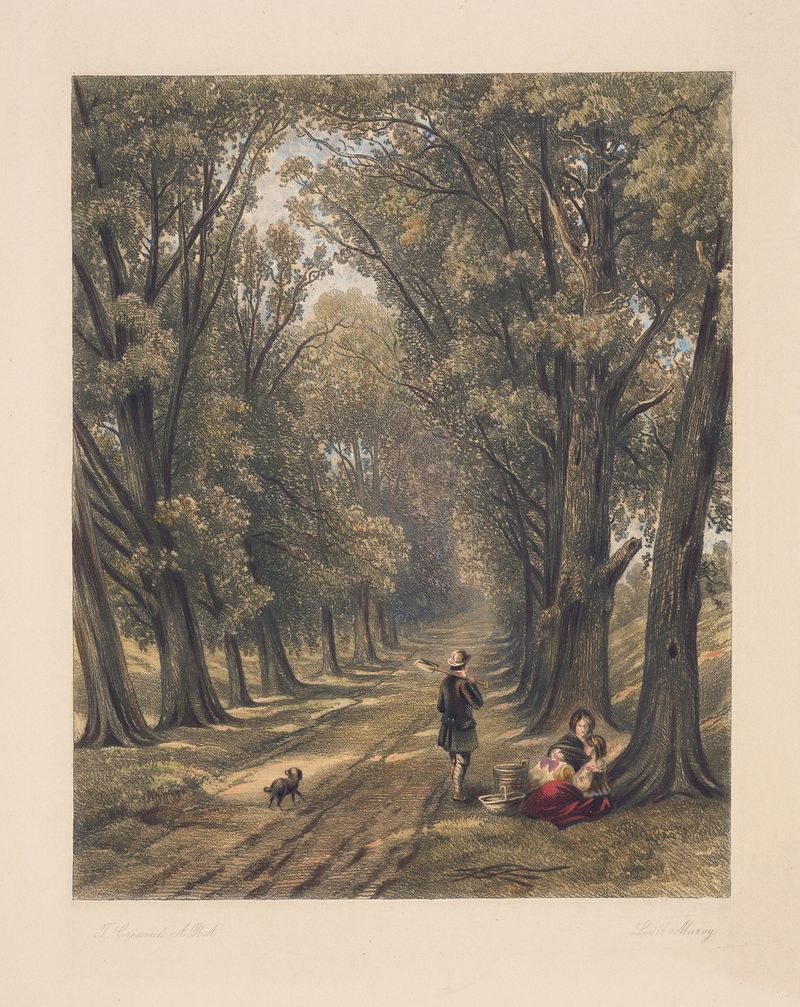
Landscape with tree-lined country road (Thomas Creswick)
Louis Marvy
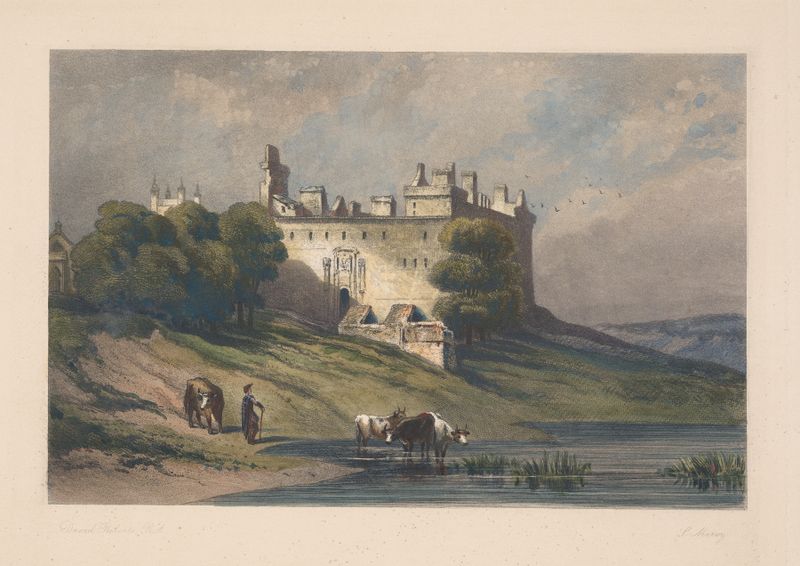
Landscape with cattle near castle (David Roberts)
Louis Marvy
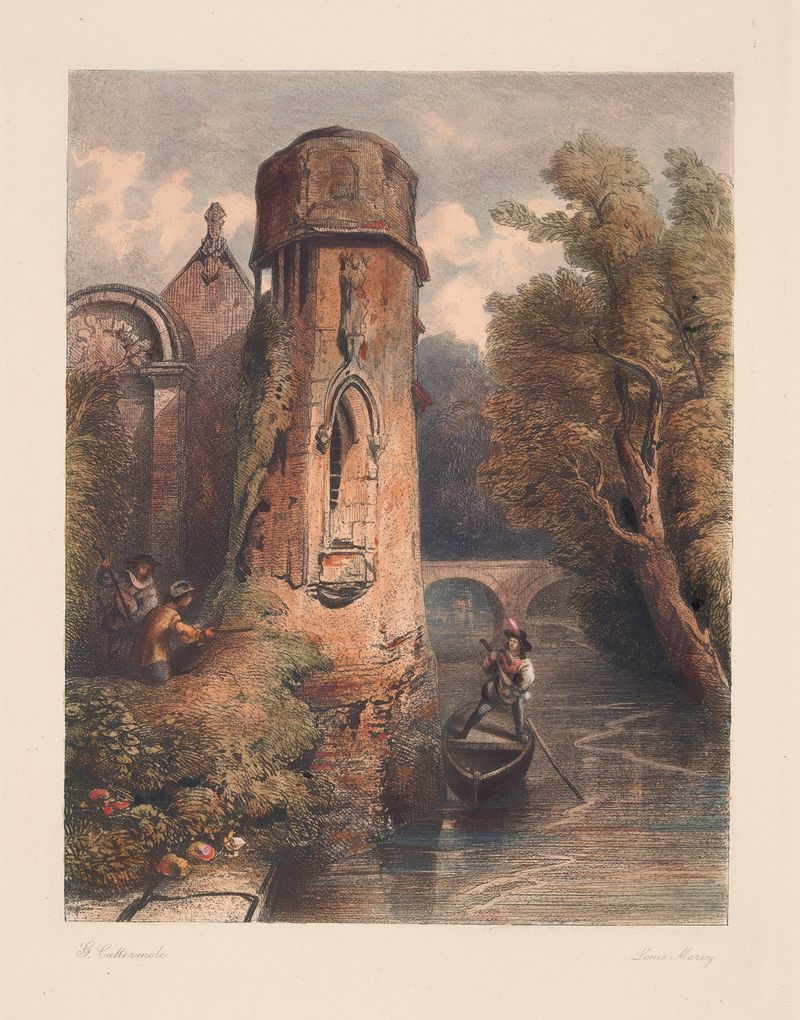
Landscape with man in boat playing lute near moss-covered tower (George Cattermole)
Louis Marvy





