
View of Huis te Rhoon, Seen from the South — History & Facts
In the silent expanse of a moment, we glimpse the inevitable passage of time, encased in the strokes of a brush. Roelant Roghman's View of Huis te Rhoon, Seen from the South beckons us to witness the delicate balance between permanence and decay, a reminder of our own mortality. Look to the left at the grand structure of Huis te Rhoon, its resolute stone walls standing firm amidst a gentle landscape. Notice how the sunlight caresses the building’s façade, illuminating the warm hues of ochre and umber, while shadows pool at its base, hinting at the fleeting nature of time.
The horizon stretches beyond, a delicate gradient of greens and blues, guiding the eye into an ethereal distance that invites contemplation. Upon closer inspection, the contrast between the sturdy architecture and the ephemeral skies reveals deeper meanings. The soft clouds, drifting lazily above, symbolize the passage of time; they remind us that even the strongest edifices cannot escape the ravages of nature. The stillness of the pond in the foreground serves as a mirror to existence, reflecting both the beauty and transience of life, while the well-tended garden reveals human care in a world destined for change. In 1647, Roghman created this piece in the context of a flourishing Dutch art scene, marked by a growing interest in landscapes that captured the essence of the natural world.
He was a key figure in the early development of Dutch topographical painting, yet his work often transcended mere representation, inviting viewers to ponder the broader themes of life and death interwoven into our environments.
More Artworks by Roelant Roghman
Browse all →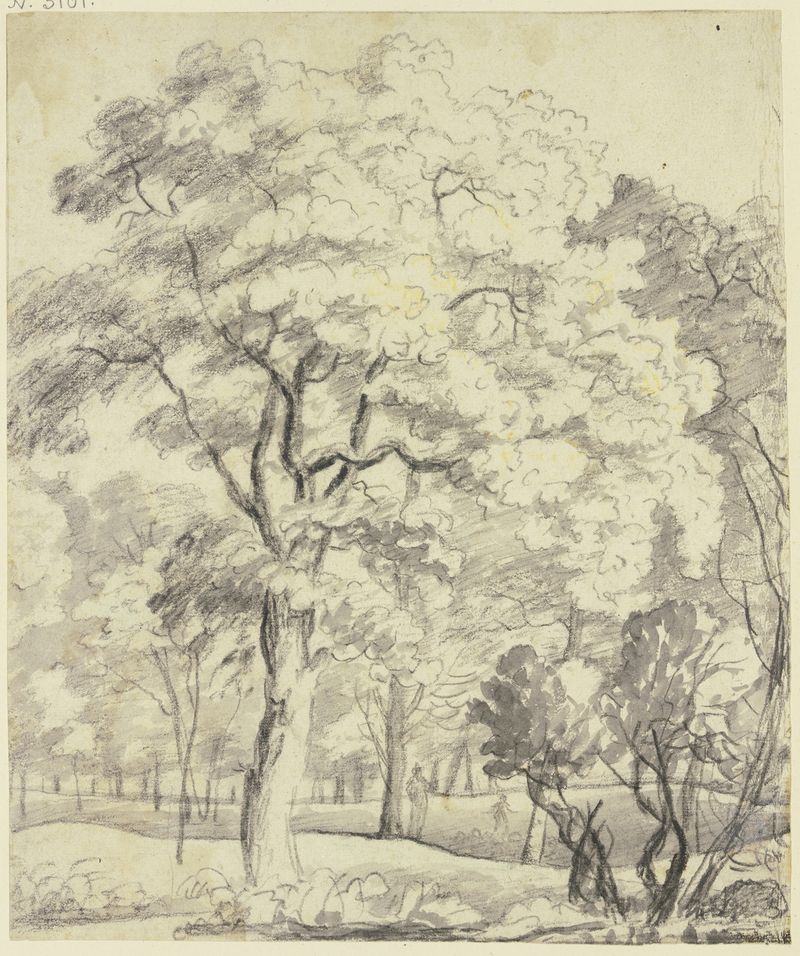
Waldpartie mit zwei Figuren
Roelant Roghman
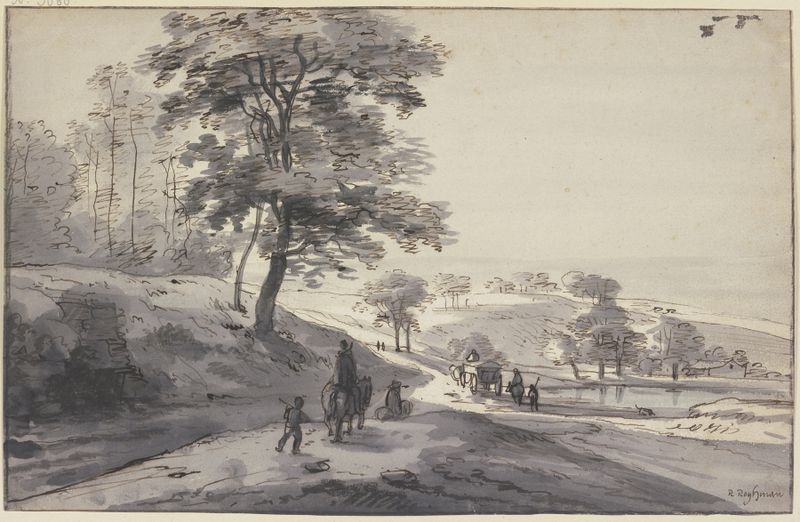
An einem Wasser vorbei über einen Hügel zieht sich ein mit einem Wagen, Reitern und Fußgängern belebter Weg
Roelant Roghman
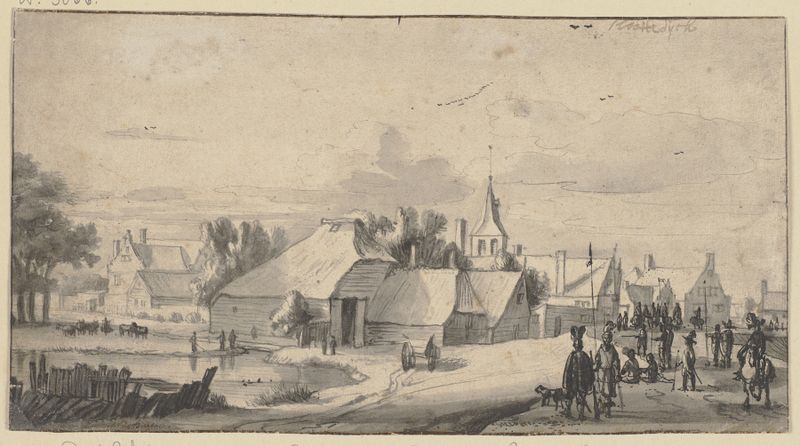
Das Dorf Sloterdyk zur Zeit des Durchzuges der Truppen des Prinzen Wilhelm II von Oranien im Jahre 1650
Roelant Roghman

Landschap met een reiswagen voor een boerderij
Roelant Roghman

The Ruin of Huis ‘t Sant at Katwijk aan Zee
Roelant Roghman
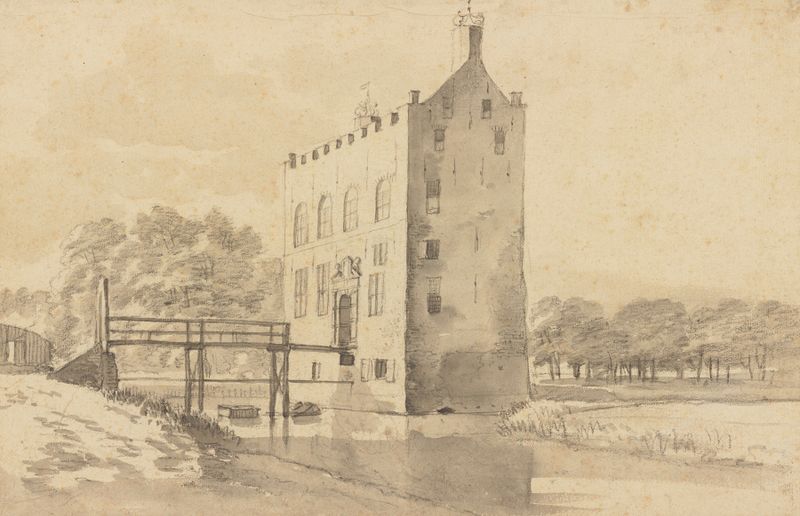
The Castle Giessenburg, near Gorinchem
Roelant Roghman
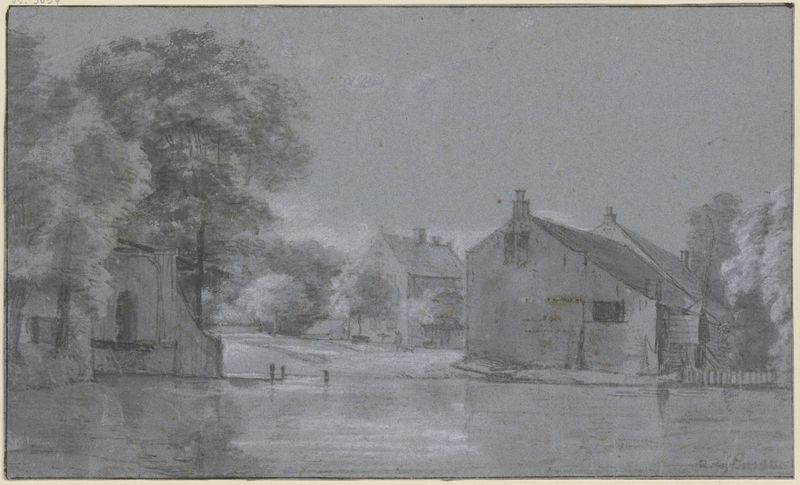
Ein Dorf mit Baumgruppen an einem Fluss
Roelant Roghman
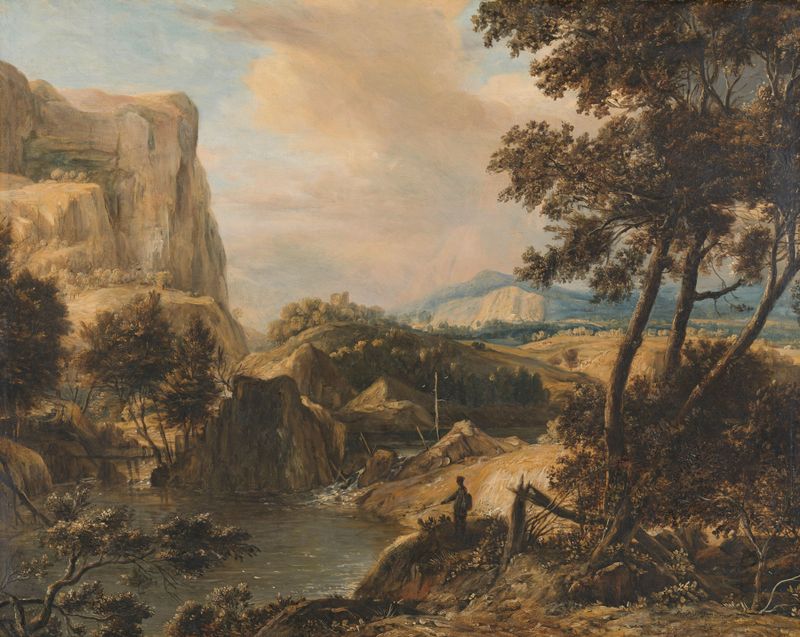
Mountainous landscape with fisherman
Roelant Roghman

Waldlandschaft mit Wasserfall
Roelant Roghman
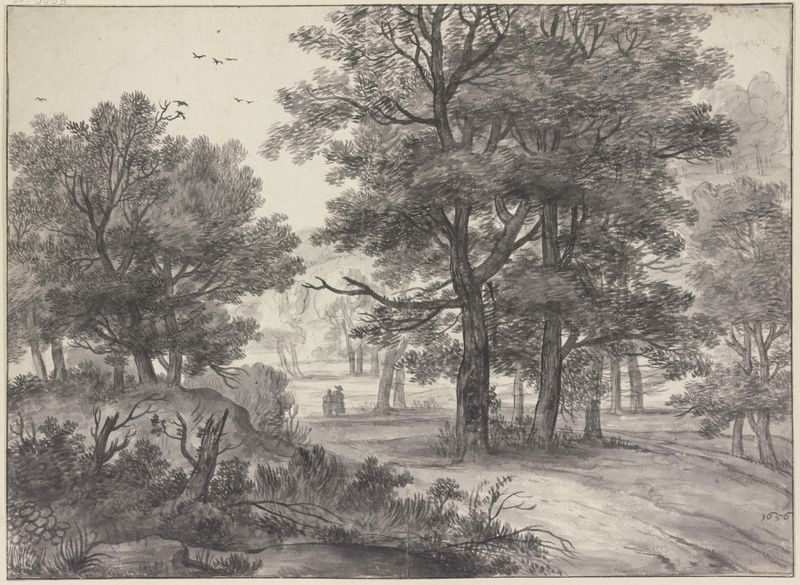
Waldpartie, auf dem Weg zwei Figuren, links oben mehrere Raben
Roelant Roghman
More Architecture Art
Browse all →
The statue of Liberty
Frédéric Auguste Bartholdi

View of Houses in Delft, Known as ‘The Little Street’
Johannes Vermeer

View of Houses in Delft, Known as ‘The Little Street’
Johannes Vermeer

The Cathedral in Rouen. The portal, Grey Weather
Claude Monet

The yellow house
Vincent van Gogh

The Church in Auvers-sur-Oise, View from the Chevet
Vincent van Gogh