
View of Mount Vesuvius — History & Facts
Could beauty survive in a century of chaos? In the 19th century, the landscapes painted by Giuseppe Canella offered a poignant answer, capturing moments of serene beauty even amidst the tumult of volcanic threat. Look to the horizon where rolling hills cradle the formidable silhouette of Mount Vesuvius, its peak softened by a delicate haze. The foreground is a tapestry of verdant greens and earthy browns, inviting the viewer into its lush embrace, while soft blues and whites invoke a serene sky that cradles the looming presence of the volcano. Canella’s brushwork is expressive yet detailed, with each stroke conveying a sense of movement in the trees and clouds, revealing a masterful balance of realism and impressionistic flair. Beneath the idyllic surface lies a tension between nature’s beauty and its potential for destruction.
The vibrant colors around the base of the volcano bring to mind life and vitality, while the looming mountain itself serves as a reminder of danger and uncertainty. This duality mirrors the human experience, capturing both the ephemeral nature of peace and the ever-present threat of chaos that follows. The interplay of light and shadow enhances this contrast, creating a visual dialogue that resonates with the viewer. Canella painted this idyllic scene during a period when Italy was undergoing significant social and political change.
As the nation grappled with its identity, his landscapes became an exploration of hope and beauty against the backdrop of an uncertain future. This work reflects not only the artist's internal struggles but also the collective yearning for stability in a time of upheaval.
More Artworks by Giuseppe Canella
Browse all →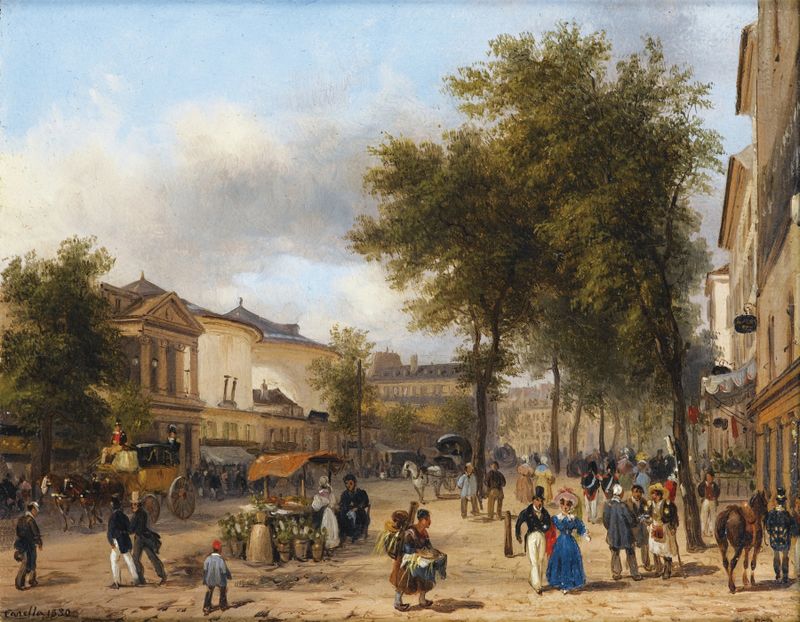
Paris, Vue du Théâtre des Variétés sur le Boulevard Montmartre
Giuseppe Canella

L’Hôtel de Ville et la place de Grève, vus de l’Ile de la Cité
Giuseppe Canella
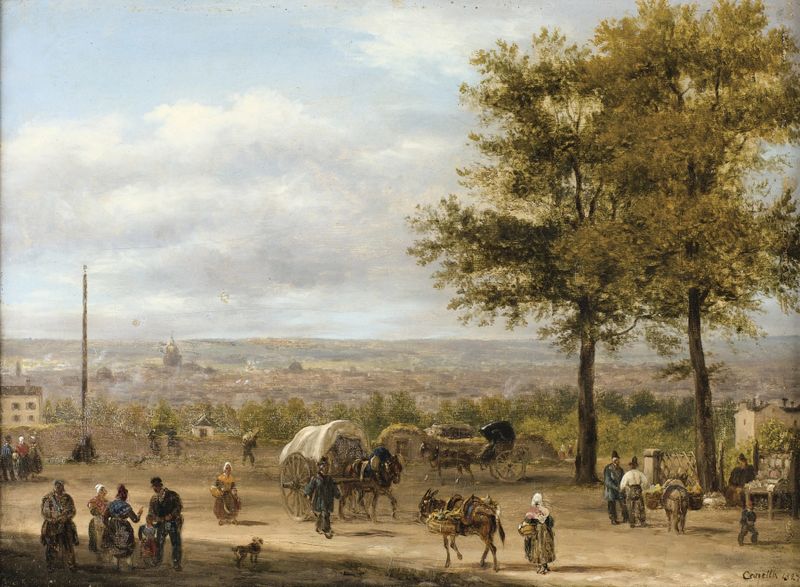
Vue des hauteurs de Paris
Giuseppe Canella
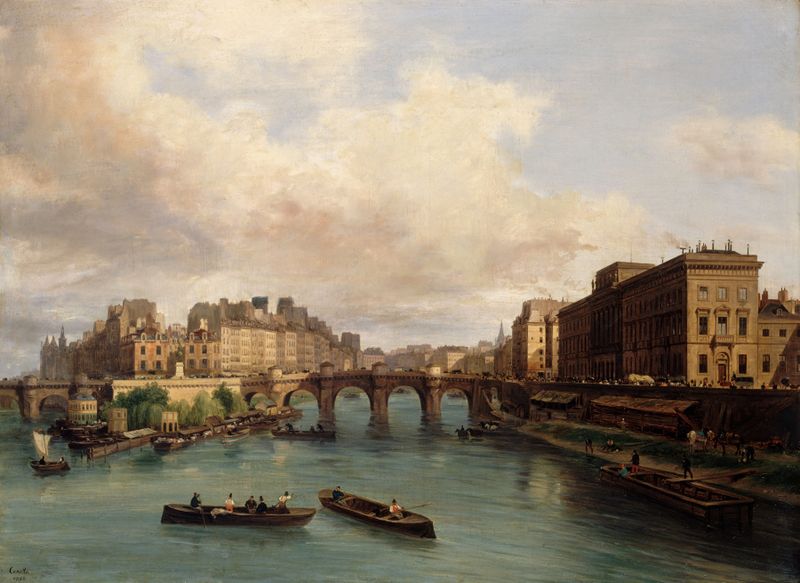
L’Ile de la Cité et le quai Conti, vus de la passerelle des Arts
Giuseppe Canella

Amsterdam, A View of the Royal Palace
Giuseppe Canella

Les Halles et la rue de la Tonnellerie
Giuseppe Canella
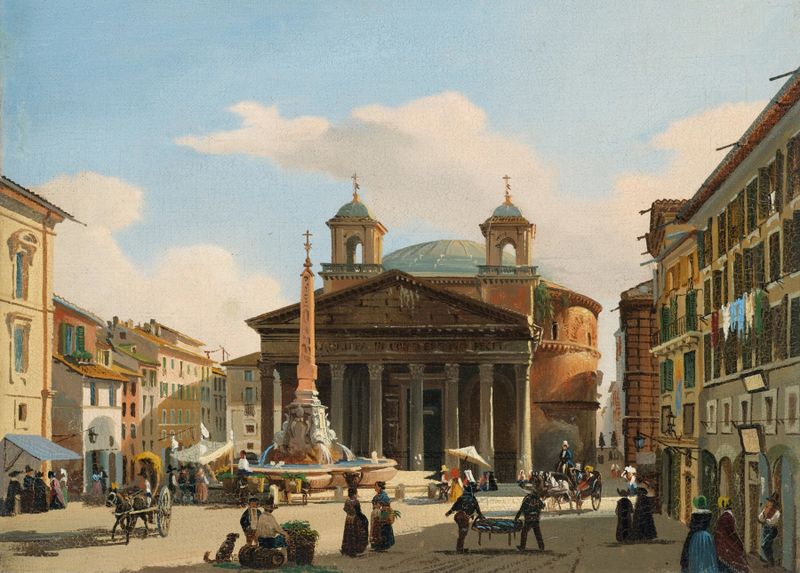
Vue du Panthéon à Rome
Giuseppe Canella
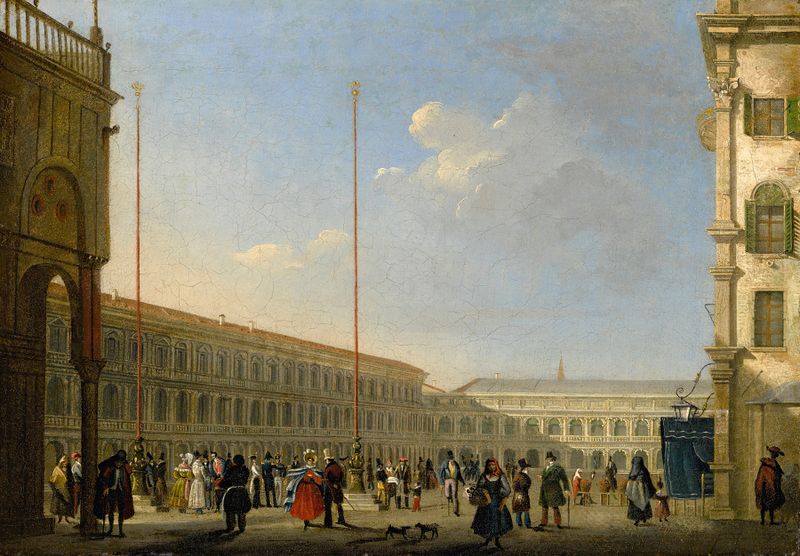
Venice, A View Of Piazza San Marco From Piazzetta Dei Leoncini
Giuseppe Canella
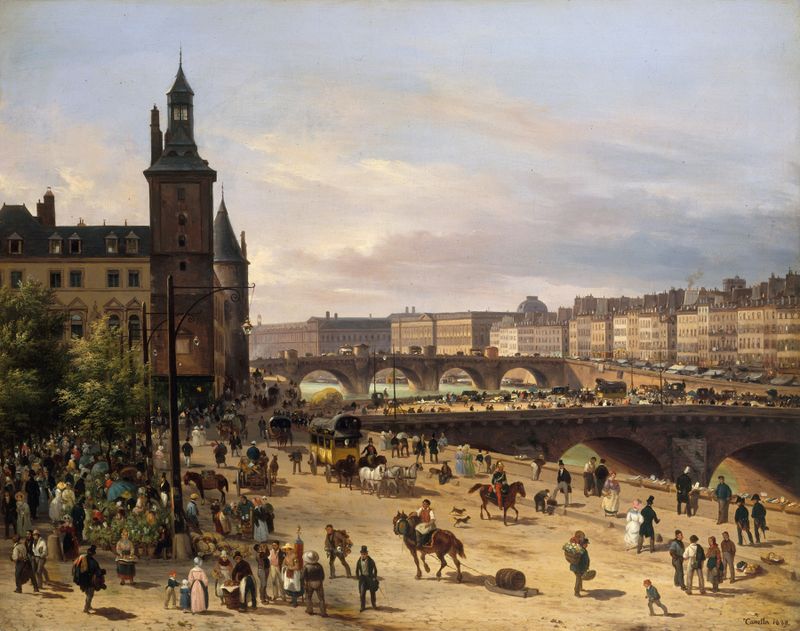
Le marché aux fleurs, la Tour de l’Horloge, le Pont au Change et le Pont-Neuf
Giuseppe Canella
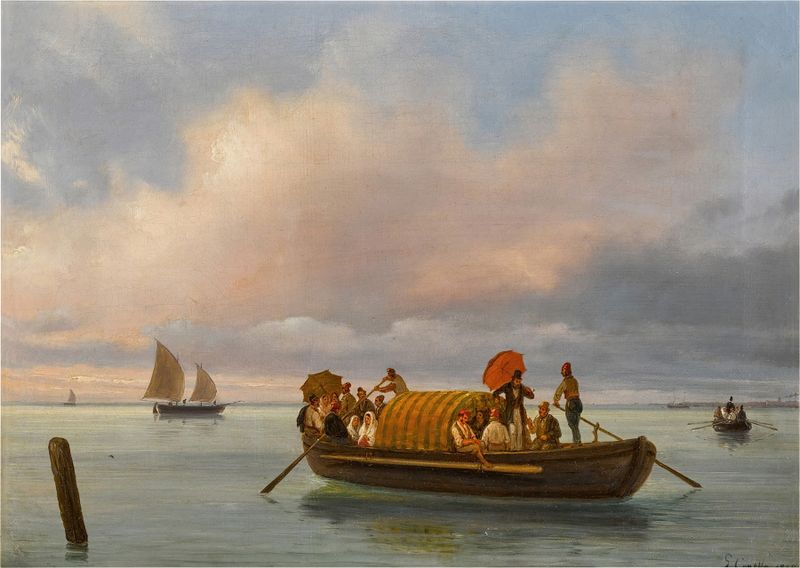
A Venetian scene with a gondola on a lagoon
Giuseppe Canella





