
View of Skiddaw and Derwentwater — History & Facts
The tranquil landscapes often speak in hushed tones, revealing the hidden yearnings within their stillness. In View of Skiddaw and Derwentwater, the serene beauty encapsulates an aching sense of longing that echoes through the valleys and peaks. Look to the foreground, where the shimmering waters of Derwentwater stretch out gracefully, their reflective surface drawing your gaze toward the majestic Skiddaw rising in the background. Notice the subtle movement of clouds above, their soft greys and whites blending seamlessly with the vibrant blues of the sky.
Farington’s meticulous brushwork and the delicate interplay of light and shadow invite you to explore this idyllic setting, enhancing the emotional depth of the scene. As you delve deeper, the emotional tension becomes palpable: the vastness of the landscape juxtaposes the intimacy of the moment, evoking a sense of solitude. The light filtering through the clouds doesn’t just illuminate the mountains; it seems to illuminate the heart's desires, whispering of dreams unfulfilled and journeys yet taken. The distant figures, small against the grandeur of nature, hint at the insignificance of human ambition in the face of such beauty, amplifying the longing that permeates the canvas. Farington painted this scene in 1780, during a period when he was immersed in the Romantic movement, which emphasized the sublime nature of landscapes.
Working primarily in England, he sought to capture the essence of the Lake District, a place that stirred his emotions and inspired his artistic vision. His paintings were a response to the rapidly changing world, reflecting both personal introspection and a growing appreciation for nature's power.
More Artworks by Joseph Farington
Browse all →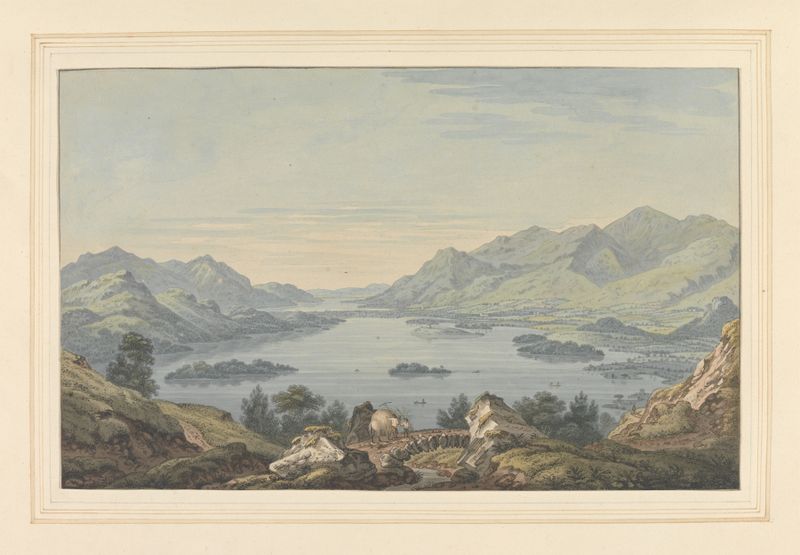
Vale of Keswick and Derwent Water
Joseph Farington

Caernarvon Castle
Joseph Farington

Grange of Borrodale
Joseph Farington
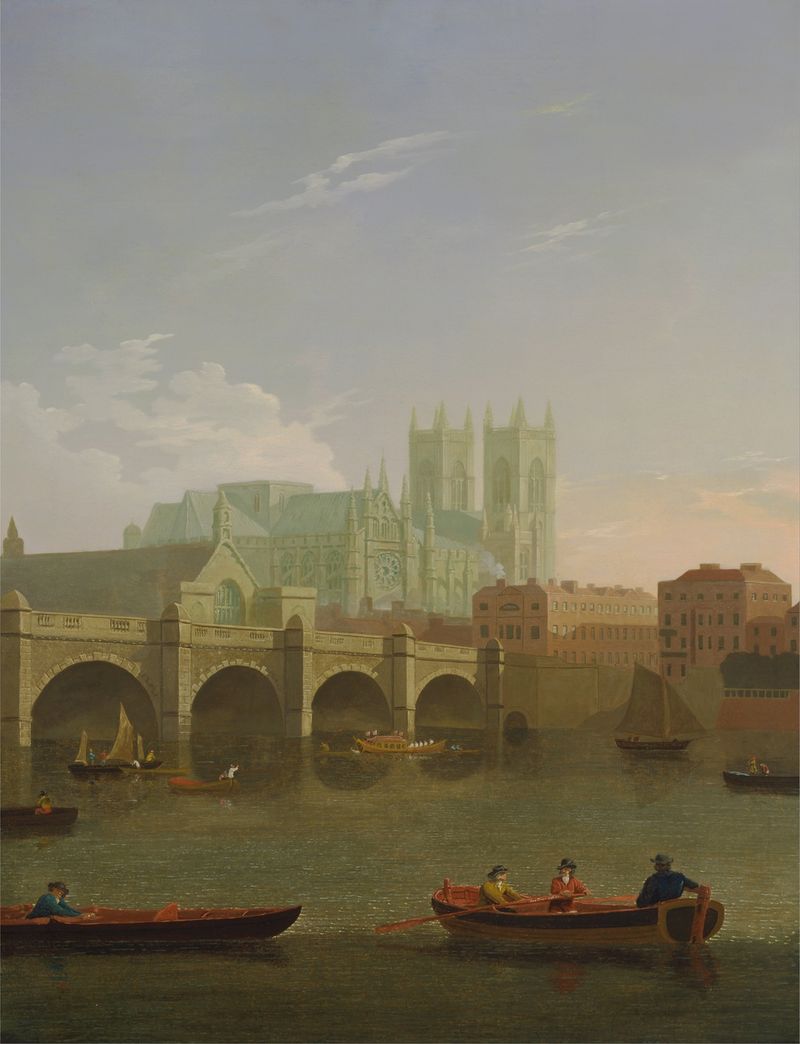
Westminster Abbey and Bridge
Joseph Farington

Dumbarton Rock from the South
Joseph Farington
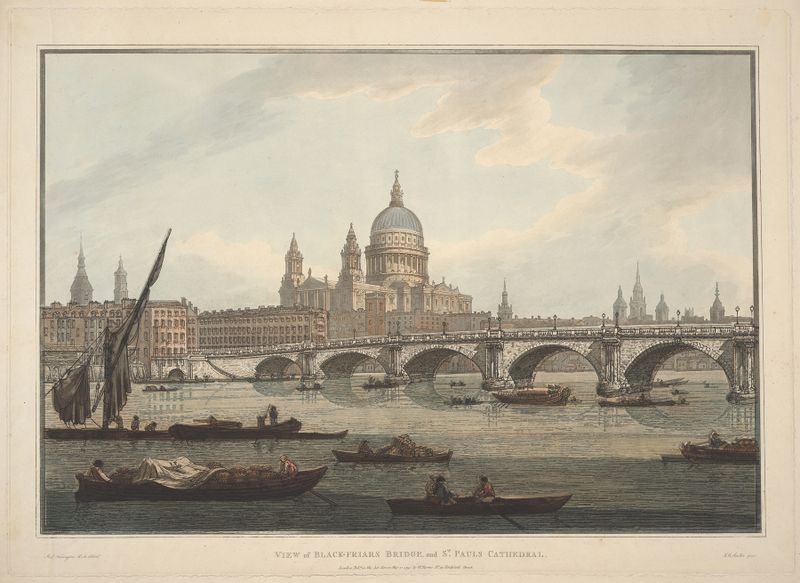
A View of Blackfriars Bridge and St. Paul’s Cathedral
Joseph Farington

Lodore Rocks — fall & cottage
Joseph Farington

No. View on the Road from Ambleside to Keswick from 6 mile Stone
Joseph Farington
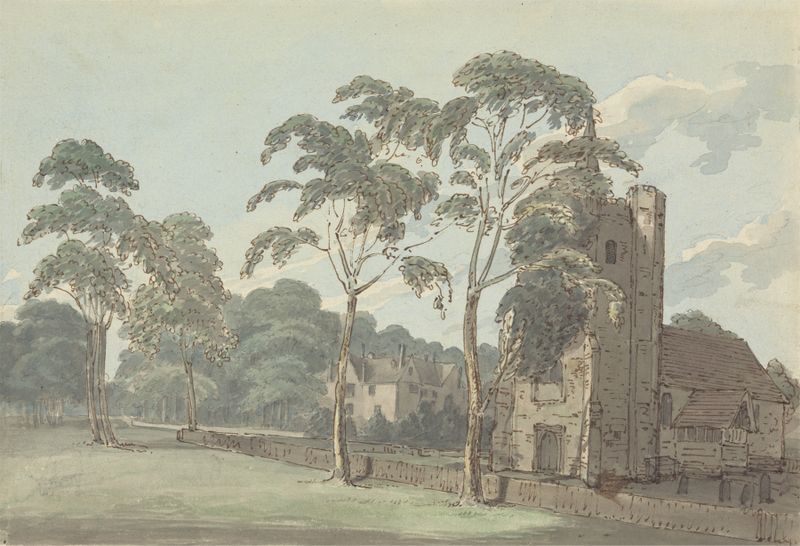
A Church at Stanstead
Joseph Farington

Lower End of Ullswater
Joseph Farington





