View of the Colosseum from the Orti Farnesiani — History & Facts
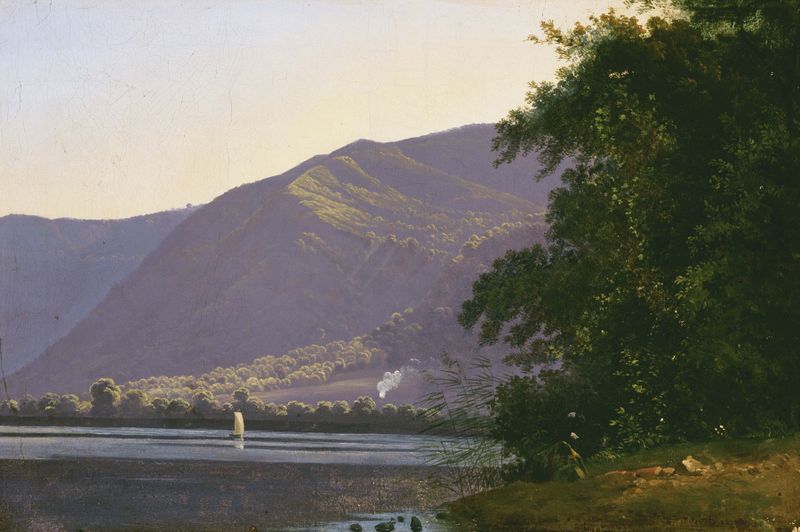
The yearning for beauty transcends time, echoing through the ages in the reflections of the past. In the sweeping embrace of nature, we find stories hidden in every stroke of paint, waiting to be unveiled. Look to the left at the lush greenery that frames the majestic Colosseum, where vibrant greens dance gently against the warm ochres of the ancient stone. The composition draws the eye along a winding path, inviting you to travel through the scene, while soft light filters through the leaves, casting dappled shadows on the ground.
Notice how the artist’s meticulous brushwork brings texture to the foliage, contrasting the ruggedness of the monumental structure that rises in the background, standing resolute yet softened by the surrounding tranquility. As the viewer’s gaze travels deeper, subtle contrasts emerge: the grandeur of Rome’s architecture juxtaposed with the fleeting moments of nature’s beauty. The crumbling columns of the Colosseum seem to whisper stories of time once vivid, now resting under the weight of history. There’s an emotional tension here—between the past and the present, between decay and vitality, capturing a profound longing for continuity amidst change. Created in 1833, Boisselier painted this serene view during a time when Romanticism was flourishing, a movement marked by an embrace of nature, emotion, and individualism.
Living in Italy, he was surrounded by the echoes of a rich history, as artistic fervor blended with a desire to rediscover the sublime beauty of the classical world, offering a poignant reflection of the era’s cultural and historical complexities.