View of the Interior of a Building — History & Facts
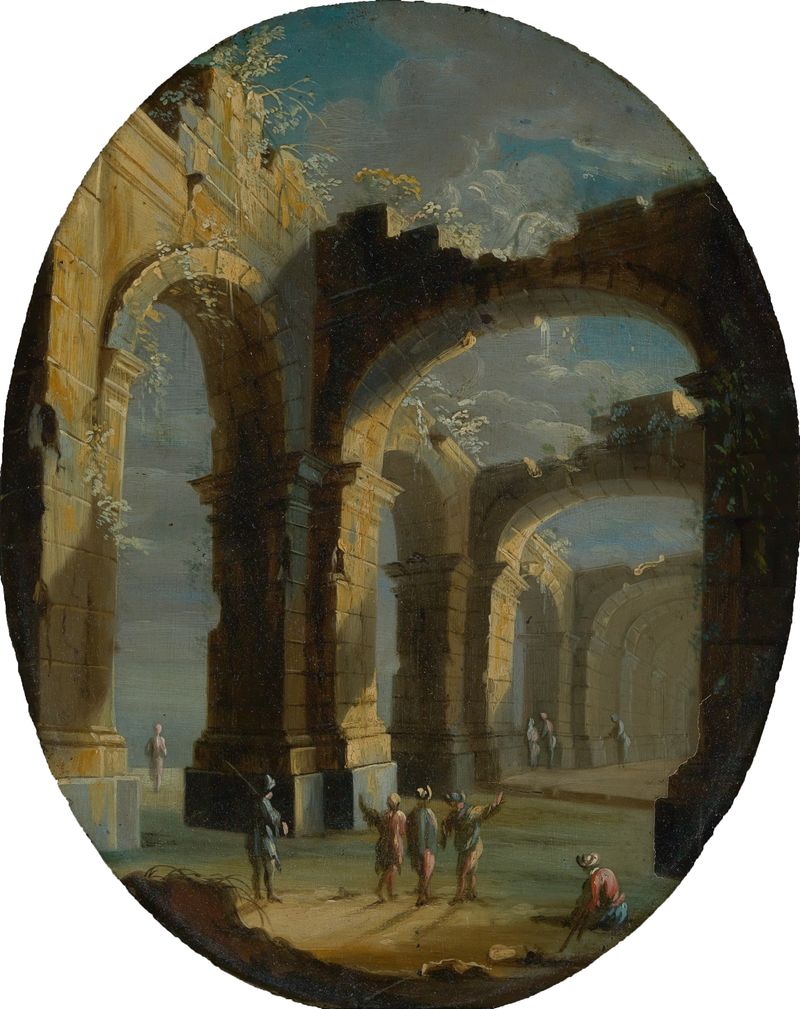
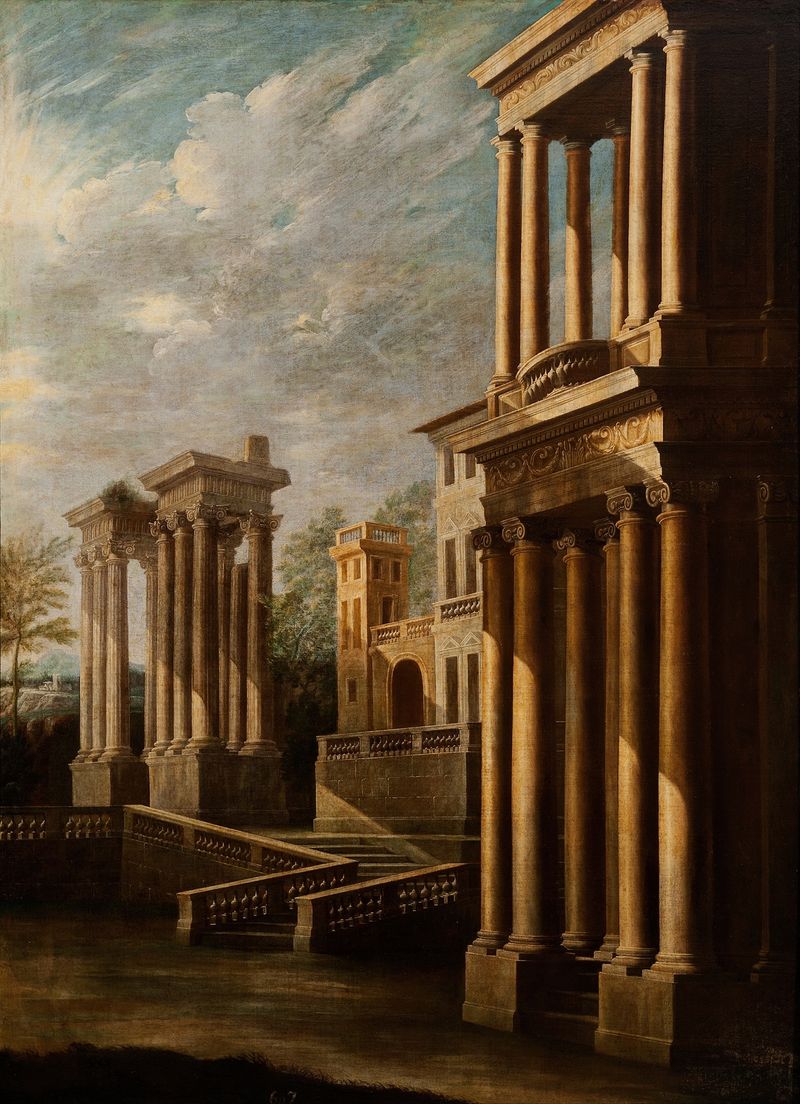
Could a single brushstroke hold eternity? In the hands of a master like Leonardo Coccorante, each stroke becomes a delicate note in a symphony of balance and harmony, inviting the viewer into a world both serene and meticulously ordered. Look to the center of the painting, where the interplay of light and shadow reveals the architectural structure of the interior. The soft glow emanating from hidden sources casts an ethereal quality, drawing attention to the intricate details of the columns and arches. The warm earth tones merge seamlessly with hints of cool blues, creating a visual rhythm that guides the eyes from one corner to another, evoking a sense of tranquility amid the organized chaos of the space. Delve deeper into the work, and you'll uncover the contrasts inherent in the composition.
The solidity of the stone contrasts with the fluidity of the light, while the symmetry of the architecture juxtaposes the irregularities of human emotion that may dwell within. This tension between the rigid and the graceful speaks to the duality of existence, where structure and freedom coexist harmoniously. Each element reflects the broader human experience, suggesting that balance is not merely a visual principle but a profound necessity. Coccorante painted this work during a time when the art world was in transition, moving from the grandeur of the Baroque to the subtler elegance of the Neoclassical era.
While the exact date remains unknown, it is likely that this period in Italy was marked by a burgeoning interest in space, form, and the exploration of perspective. This artist, deeply influenced by his surroundings, sought to capture the essence of balance amid changing artistic tides, solidifying his legacy in the annals of art history.