
View of the Nieuwe Gracht near the Bolwerk, Haarlem — History & Facts
Where does light end, and longing begin? In the delicate interplay of nature and architecture, we find ourselves questioning the ephemeral boundaries between reality and yearning. Look to the left at the shimmering water of the Nieuwe Gracht, where reflections dance like whispers on the surface. The soft, dappled light bathes the scene in a warm glow, inviting the viewer’s gaze to linger on the elegant canal boats that glide gracefully through the composition. Notice how the surrounding trees arch over the water, their verdant leaves framing the painting's central action — a gentle embrace of nature and human endeavor.
The artist employs a harmonious palette of greens and browns, offset by the rhythmic blues of the canal, uniting these elements into a serene tableau. Yet beneath this tranquil exterior lies a tension between stillness and movement. The boats, seemingly at rest, evoke a sense of potential, as if they are on the verge of traversing the waters into an unknown future. The interplay of light and shadow suggests a fleeting moment, where the sun seems to linger just before dusk.
Each brushstroke carries an undercurrent of longing, reflecting not only the beauty of the landscape but also the aspirations of those who inhabit it. During this period, Hendriks painted View of the Nieuwe Gracht near the Bolwerk in Haarlem, between 1800 and 1831. His work emerged amid a burgeoning Romantic movement that sought to celebrate nature and individual experience. As he captured the essence of his surroundings, the artist was influenced by the shifting tides of Dutch art and the personal quests of his contemporaries, striving to depict a world where light could illuminate both landscape and inner desire.
More Artworks by Wybrand Hendriks
Browse all →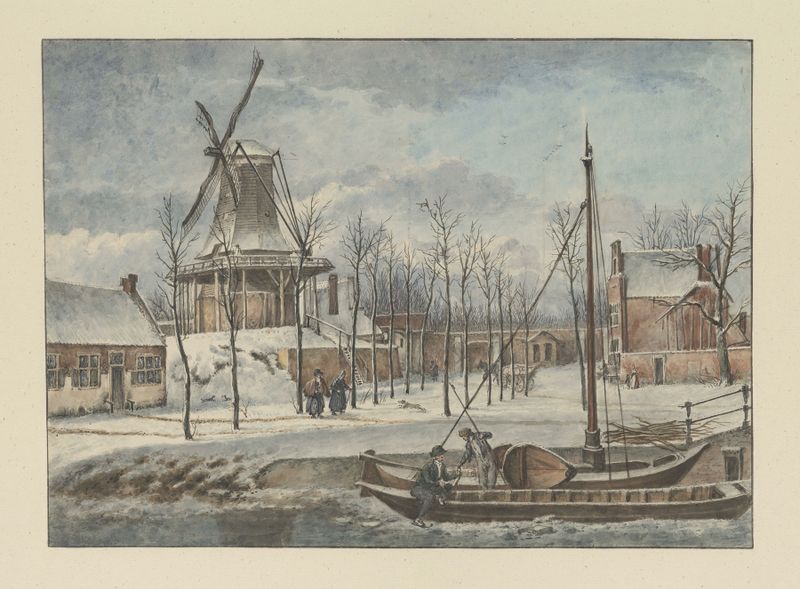
De Doelmolen, de Raampoort, de Stadswal en de huizen aan de Korte Geusestraat (nu; Wilsonsplein) vanaf de Raamgracht in de sneeuw.
Wybrand Hendriks
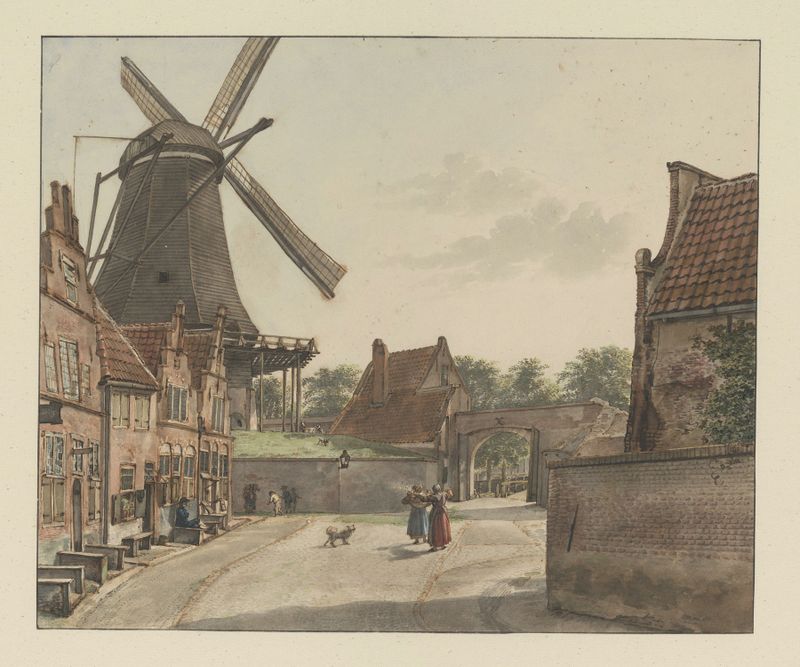
Gezicht vanuit de Bereiderstraat, tegenwoordig Sophiastraat, op de oostzijde van de Raampoort en de Doelmolen
Wybrand Hendriks
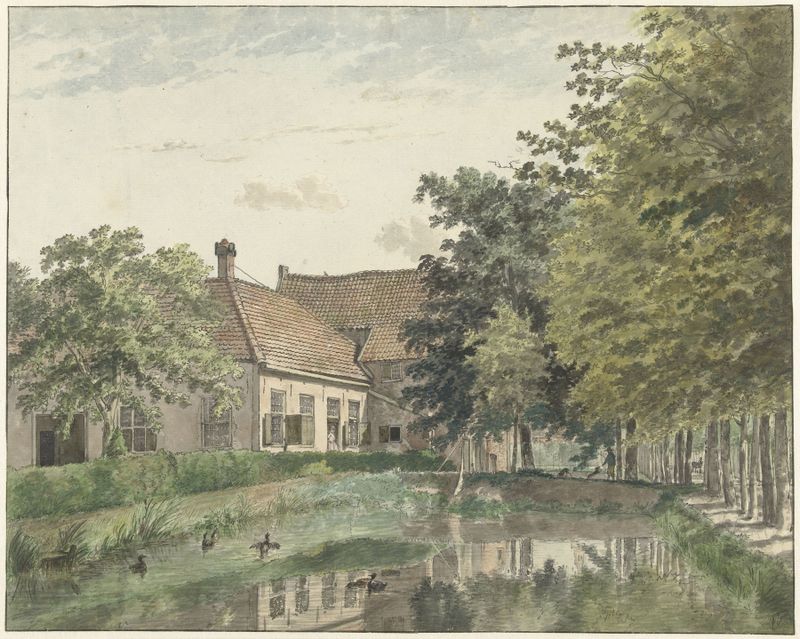
Gezicht op de buitenplaats Watergoor bij Nijkerk
Wybrand Hendriks
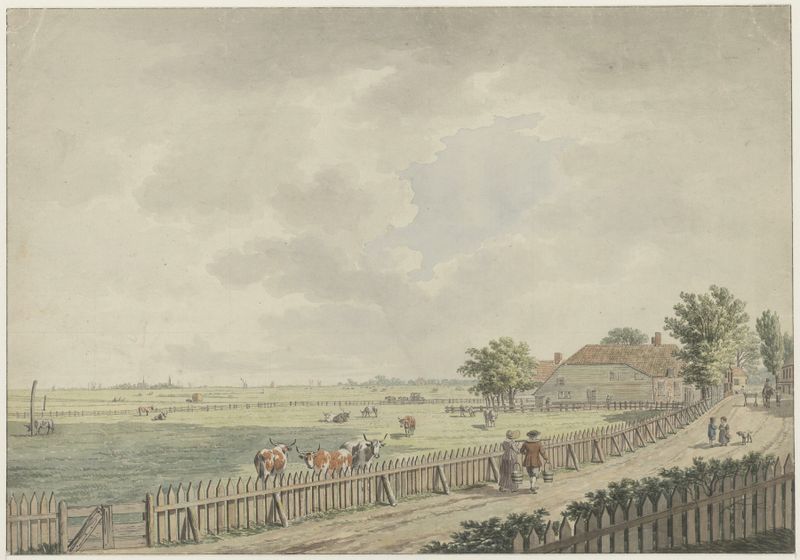
Gezicht in de Hoofdstraat, de weg naar Haarlem, in Santpoort, ziende naar het Zuiden.
Wybrand Hendriks
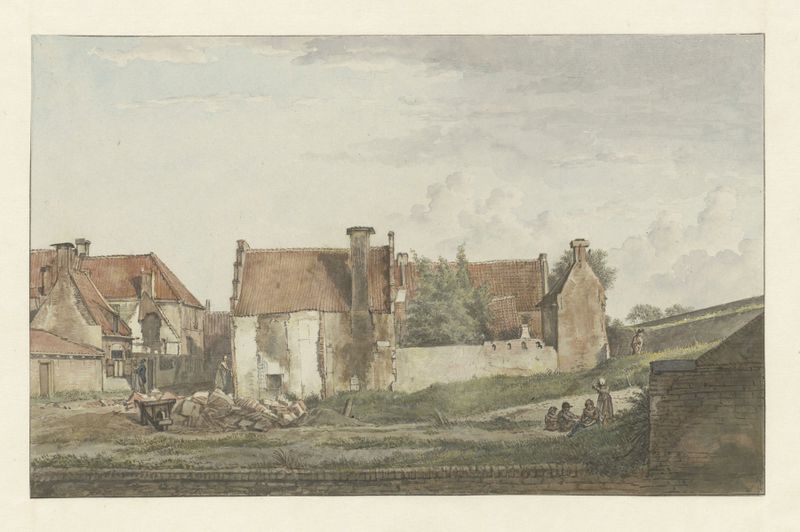
Gezicht op de Raamgragt op de Lange Geusestraat na ‘t wegbreeke van eenige huisen in 1809
Wybrand Hendriks
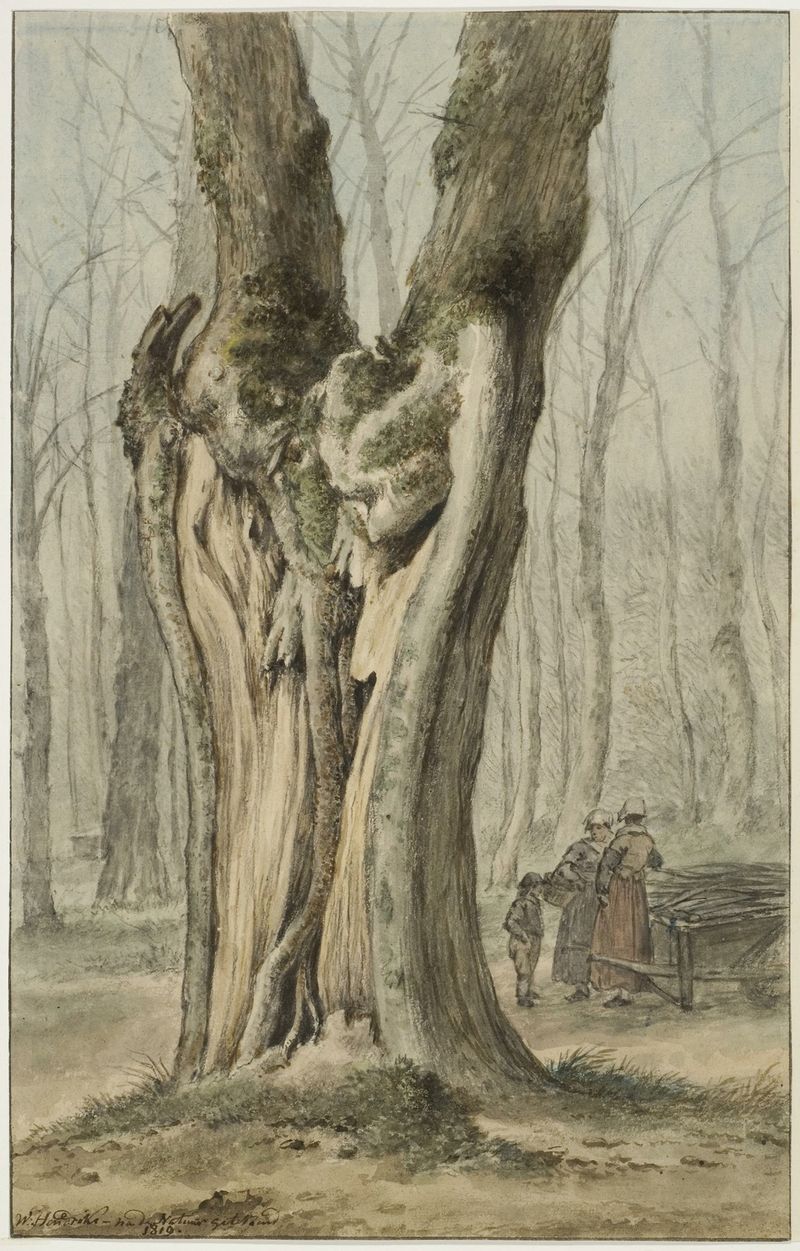
De wonderboom in de Spanjaardslaan in de Haarlemmerhout te Haarlem
Wybrand Hendriks
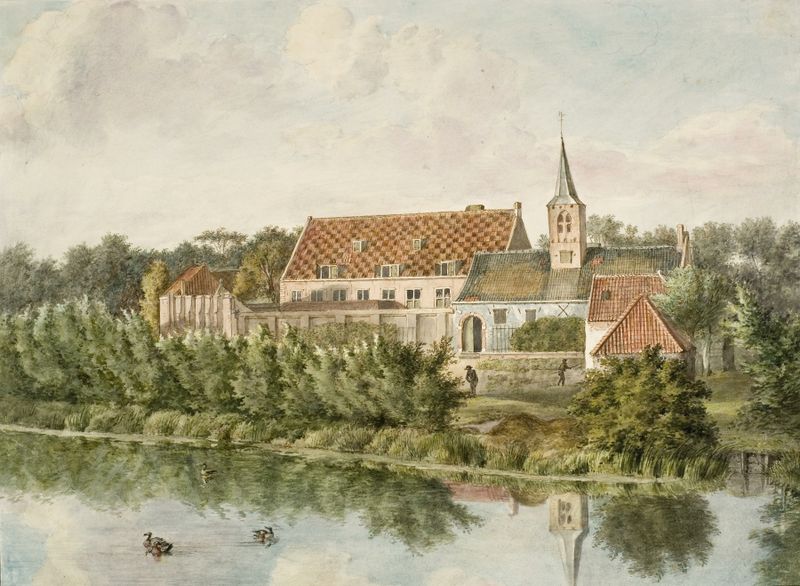
t Buyten Proveniershuis te Haarlem; van de hoogte van de wal te zien
Wybrand Hendriks
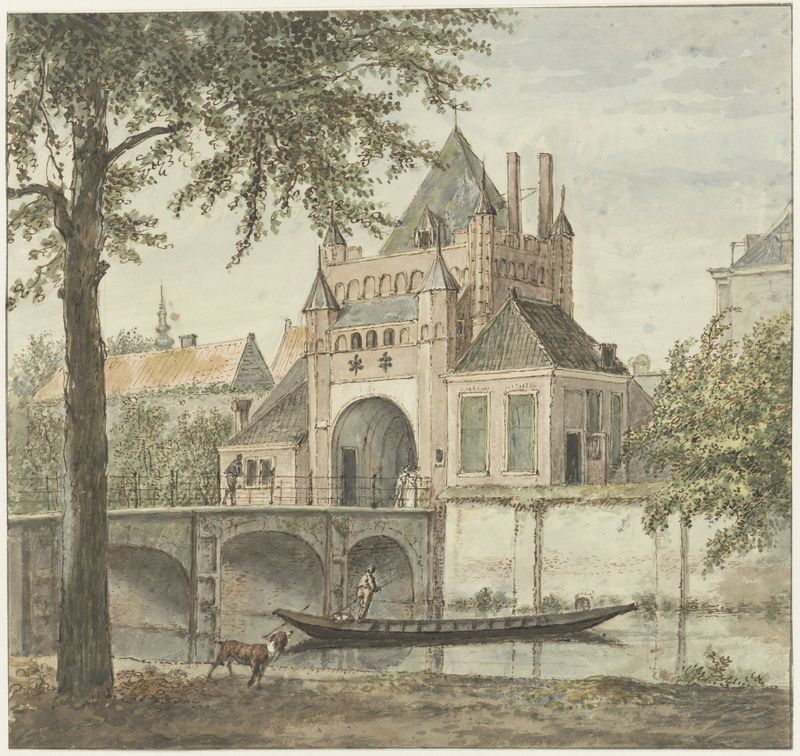
Grote Houtpoort van de zuidoostzijde
Wybrand Hendriks
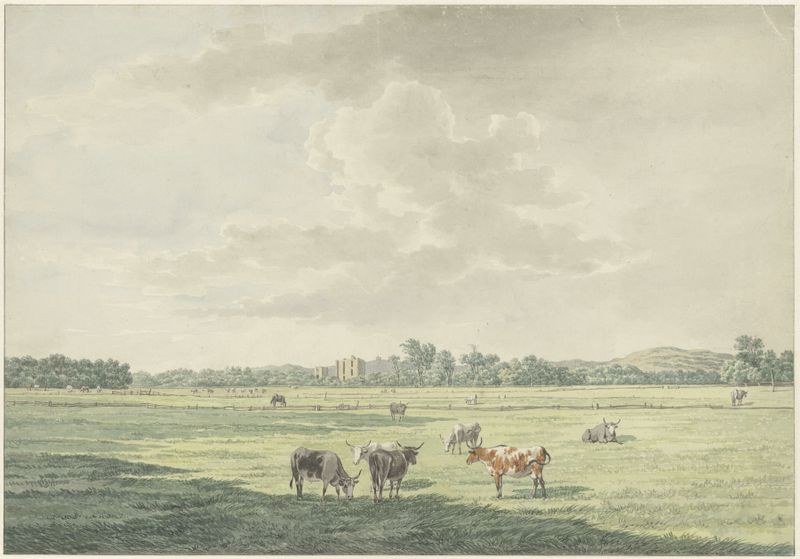
Landschap met weiland en koeien op de voorgrond en in de verte de ruIne van Brederode
Wybrand Hendriks
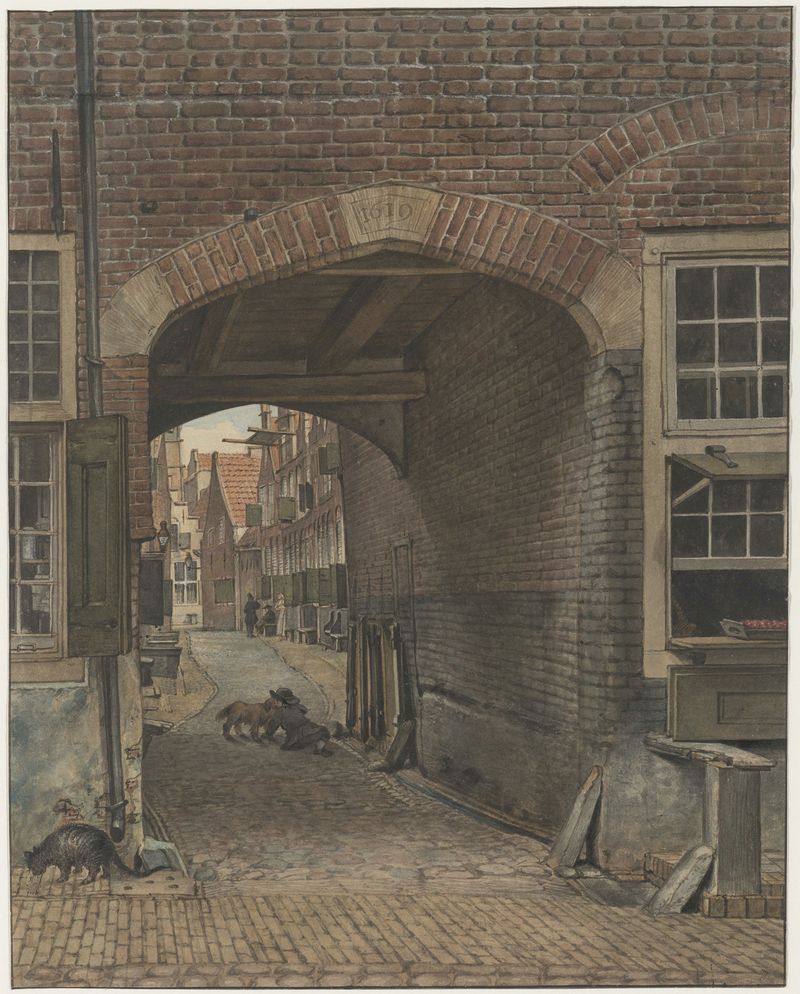
Gezicht in het Nieuw Heiligland door poort aan het Klein Heiligland
Wybrand Hendriks





