
View of the night-time celebrations for the baptism of the Infanta in Naples, 1740 — History & Facts
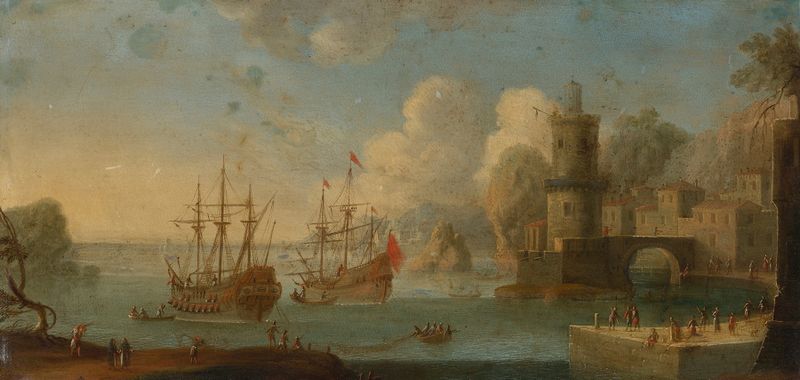
Is this a mirror — or a memory? In the vibrant tapestry of life, moments entwine like threads, blurring the line between reality and illusion. Focus on the sheer spectacle that unfolds across the canvas. Look to the left, where a crowd gathers, their figures dancing in jubilant celebration. Colors flicker like stars against the night sky, with deep blues and rich golds illuminating the scene.
A grand palace looms in the background, its architecture echoing the opulence of the event. Notice how the light reflects off the water, creating a shimmering illusion that invites the viewer deeper into the narrative, contrasting the warmth of human joy with the coolness of the night. Delve into the layers of meaning that pulse beneath the surface. Each figure appears caught in a moment of rapture, yet their expressions hint at an underlying tension—are they participants in the joy, or mere spectators of history? The juxtaposition of the bright, festive colors against the darkened sky evokes the duality of elation and melancholy, suggesting the fleeting nature of celebration.
This emotional complexity invites contemplation on how memories are formed, preserved, and sometimes lost in the passage of time. Ruiz created this work during a period of artistic flourishing in 18th-century Naples, at a time when the city was a cultural hub influenced by both Spanish and Italian traditions. While the exact year remains uncertain, the painting reflects the lavish celebrations surrounding royal events, particularly the baptism of the Infanta. It encapsulates an era when art sought to capture not just moments, but the very essence of memory itself, transforming fleeting events into lasting impressions.
More Artworks by Tommaso Ruiz
Browse all →
More Historical Art
Browse all →
The Night Watch Militia Company of District II under the Command of Captain Frans Banninck Cocq
Rembrandt van Rijn

Lincoln Memorial
Henry Bacon

The Third of May 1808
Francisco de Goya

Isaac and Rebecca, Known as ‘The Jewish Bride’
Rembrandt van Rijn

The Charge of the Mamelukes (1814)
Francisco de Goya

De vier ruiters van de apocalyps
Albrecht Dürer