
View of the White Mountains — History & Facts
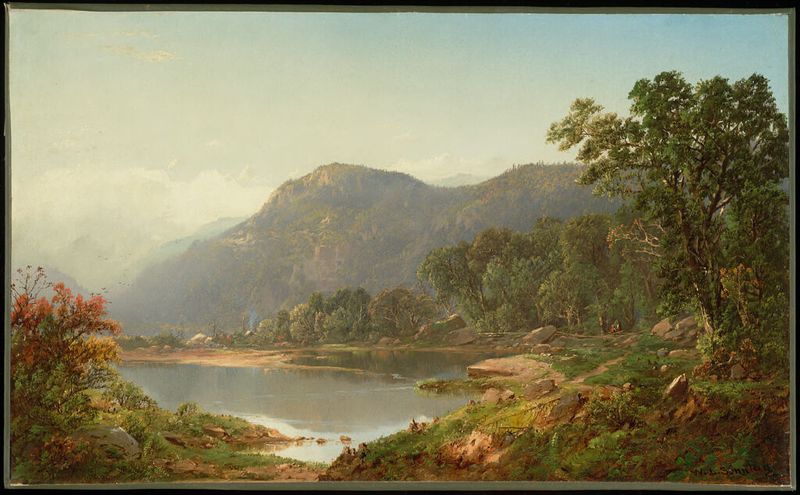
Did the painter know this moment would outlive them? In a world where nature looms larger than humanity, the fear of insignificance hangs heavily, yet beauty persists. Focus on the sweeping expanse of the landscape, where the sun breaks through the soft clouds, illuminating the pristine peaks of the White Mountains. To the left, the gentle curve of the slopes draws your eye up toward the horizon, where the sky meets the jagged summits. Notice how the artist layered rich greens and earthy browns, creating a palette that celebrates both the tranquility and the wildness of the scene.
The interplay of light and shadow enhances the three-dimensionality, making the mountains almost palpable, while subtle brush strokes convey the delicate texture of the foliage. Beneath the surface, a tension simmers between the grandeur of nature and the vulnerability of mankind. The vast, untouched wilderness serves as a reminder of the inevitable passage of time, evoking a sense of fear regarding one’s place in the world. The quiet majesty of the mountains can inspire awe, yet it also ignites a subtle anxiety about our fleeting existence.
This duality invites viewers to reflect on what it means to be both insignificant and part of something much larger. William Louis Sonntag painted this piece in 1866, during a period marked by significant change in America, as the country grappled with the aftermath of the Civil War. Based in the Hudson River School tradition, Sonntag was influenced by Romanticism and the growing interest in the natural landscape. His work reflects a dedication to capturing the sublime beauty of nature, while also hinting at a deeper existential awareness that resonates even today.
More Artworks by William Louis Sonntag
Browse all →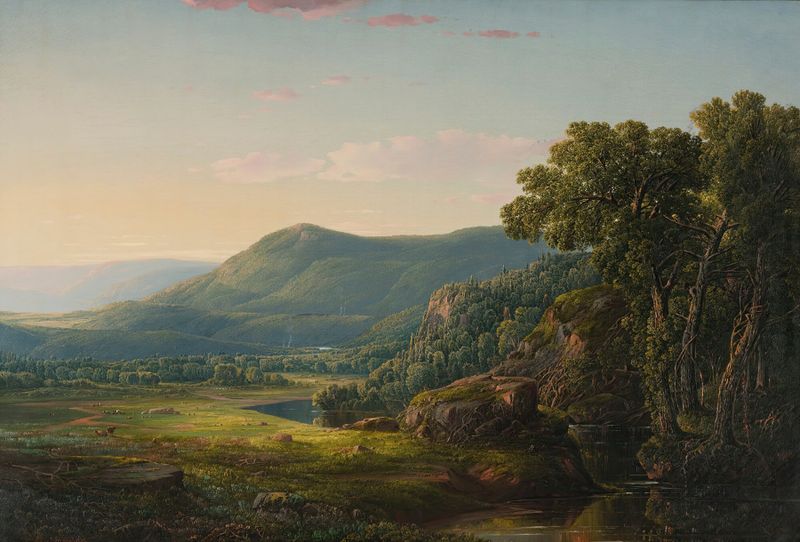
Morning In The Alleghenies
William Louis Sonntag
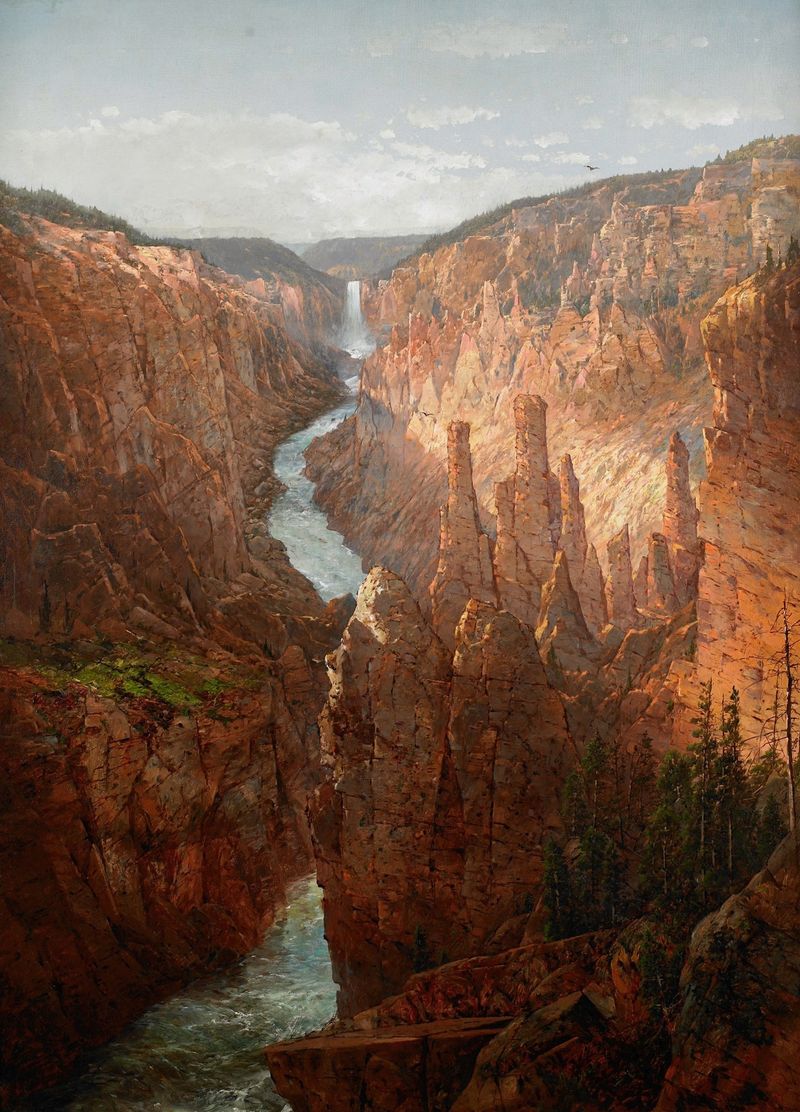
Grand Canyon, Yellowstone River, Wyoming
William Louis Sonntag
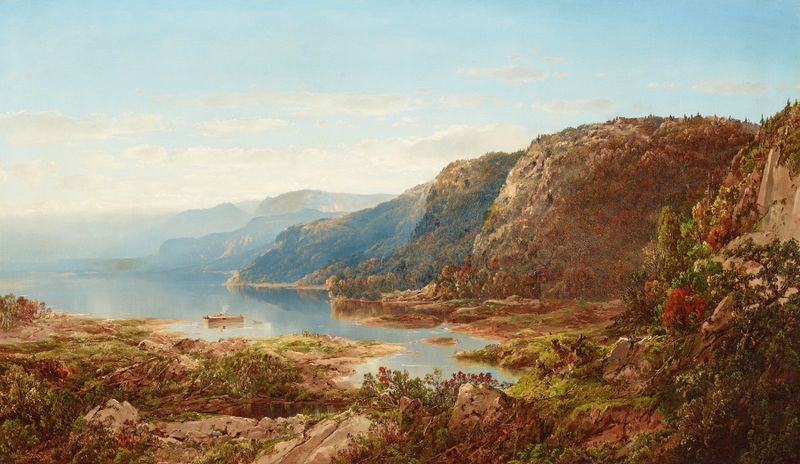
On the Upper Hudson
William Louis Sonntag
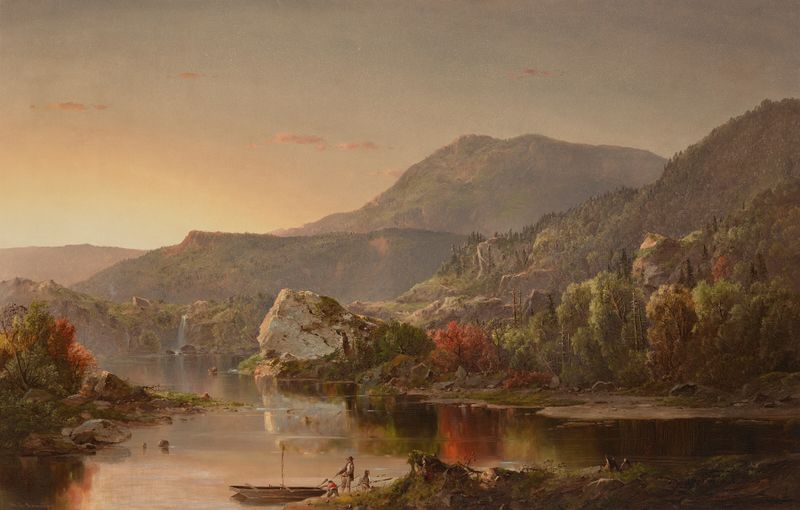
In the Alleghenies
William Louis Sonntag
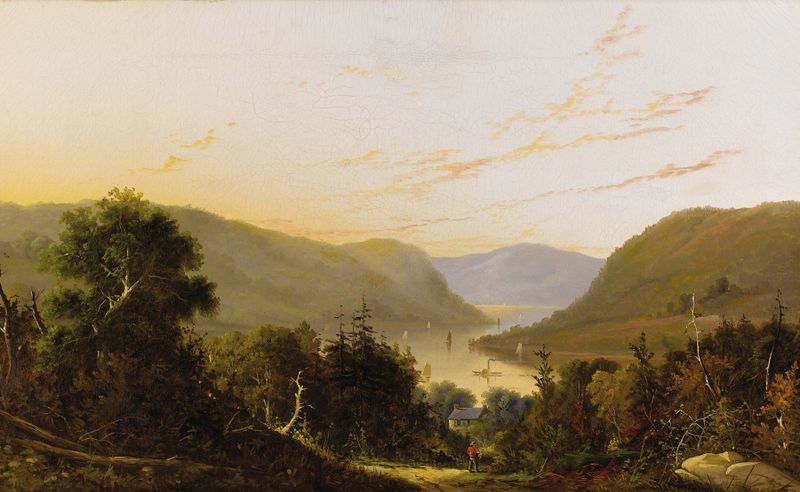
Hudson River Landscape with River Traffic
William Louis Sonntag
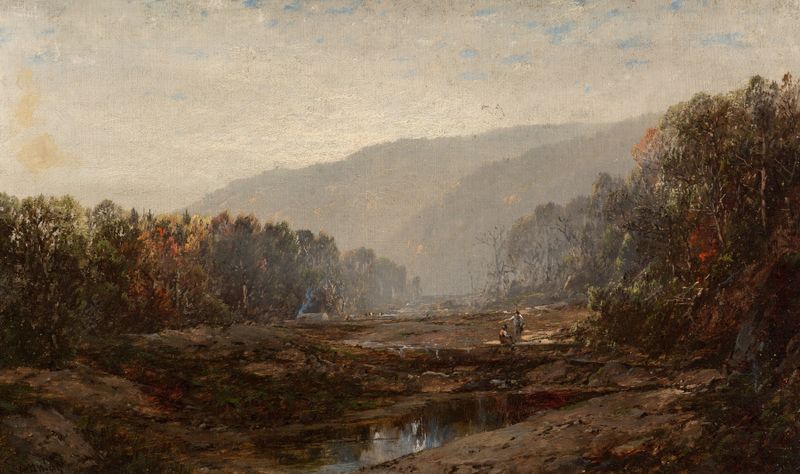
River Landscape
William Louis Sonntag
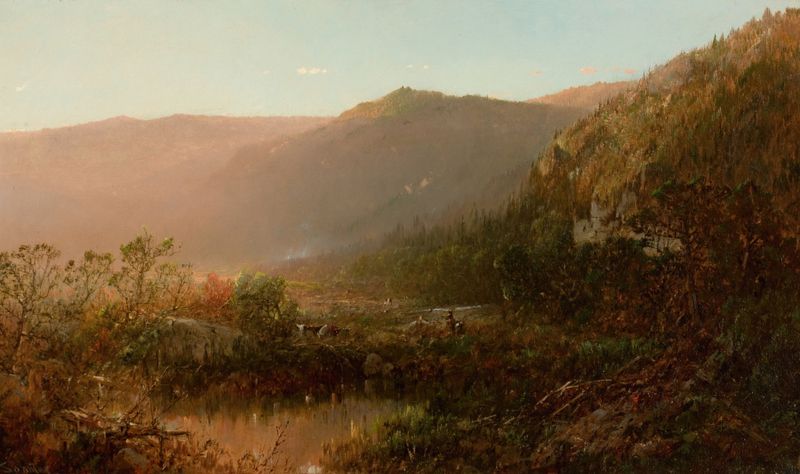
Among the Pilot Mountains, New Hampshire
William Louis Sonntag
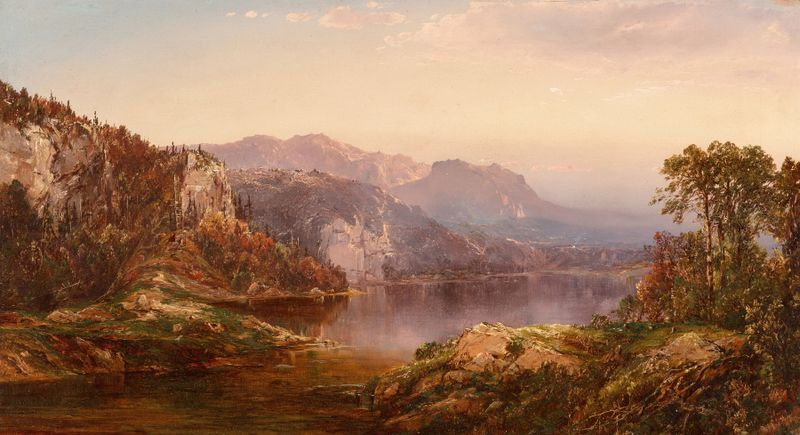
Golden Sunlight
William Louis Sonntag
On the Shenandoah
William Louis Sonntag
Mountain Lake in the Blue Ridge Mountains
William Louis Sonntag





