Village Coast — History & Facts
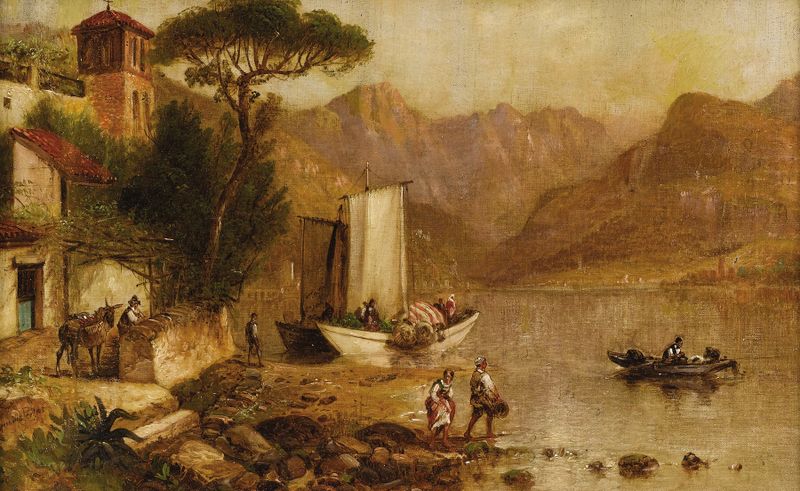
In the delicate interplay of color and light, we confront the fleeting nature of existence, as if each element whispers the secrets of life and death. Look to the horizon where the soft azure of the sea meets the warm hues of the setting sun. The gentle waves roll towards the shore, while tiny fishing boats, specks of life on the canvas, bob rhythmically, transported by the tides of time. Focus on the village nestled along the coastline, with its quaint cottages bathed in golden light, a serene yet poignant reminder of human connection to the natural world.
The artist’s careful blending of warm and cool tones evokes both tranquility and an underlying sense of nostalgia. Beneath the surface of this picturesque scene lies a complex tapestry of emotions. The vibrant colors may suggest a moment of peace, yet the horizon beckons with an inevitable distance, a reminder of life’s transience. The juxtaposition of the lively village and the vast, open sea evokes a tension between human existence and the relentless march of nature, capturing the essence of mortality in every element depicted.
The delicate strokes hint at the fragility of these moments, urging us to cherish the beauty that surrounds us. Granville Perkins painted this work between 1875 and 1900, a period marked by shifting artistic movements and a growing interest in capturing everyday life. Living in the United States during a time of expansion and transformation, he was influenced by the Impressionists, who sought to convey fleeting moments of light and emotion. His work reflects not only personal experiences but also the broader cultural currents of a world increasingly aware of its own impermanence.