
Virgin Mary in the Rose Garden — History & Facts
A hush of gold and crimson frames the figure at the heart of Virgin Mary in the Rose Garden, drawing the viewer first to her downcast eyes—thoughtful, almost wary, beneath the luminous halo. The roses behind her are not mere decoration: they crowd the balustrade, their deep red petals a living wall that both protects and isolates. The city beyond, rendered in pale ochres and distant blue, feels dreamlike, as if seen through memory or prophecy.
Mary’s hands, quietly at work with a length of cloth, anchor the scene in the ordinary rhythms of waiting and preparation, her gesture both humble and deliberate. The composition’s symmetry and the warm, enveloping palette lend the moment a sense of enclosure, as if the world outside is held at bay for a private reckoning. Painted in 1898, this work by Albert Edelfelt belongs to a moment when artists across Europe were reimagining sacred subjects through the lens of psychological realism and personal devotion. The late nineteenth century saw religious imagery shift from the grand, public altarpiece to more intimate, contemplative formats—often commissioned for private chapels or as acts of personal faith.
Edelfelt, known for his sensitive portraits and historical scenes, here brings a northern clarity to a Mediterranean vision, blending the devotional with the everyday. While little is recorded about the specific journey of this painting, its survival in online collections today invites us to linger with Mary’s quiet labor, to wonder what thoughts pass behind those watchful eyes.
More Artworks by Albert Edelfelt

The Day of Rest
Albert Edelfelt
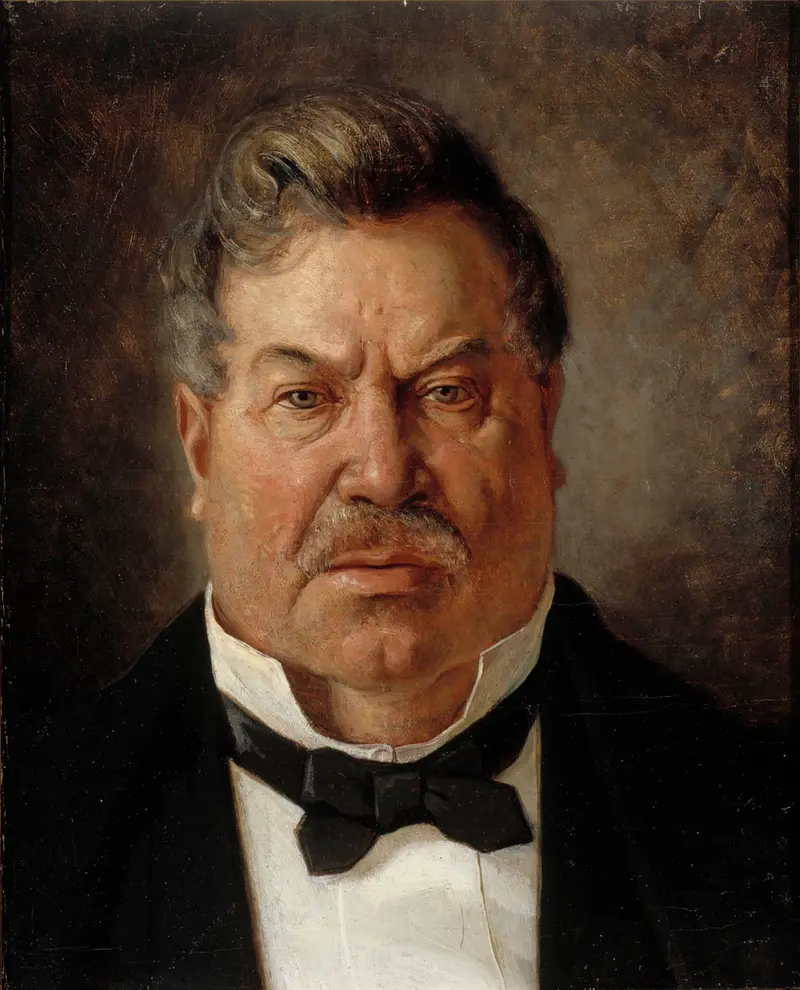
Portrait of August Streng
Albert Edelfelt
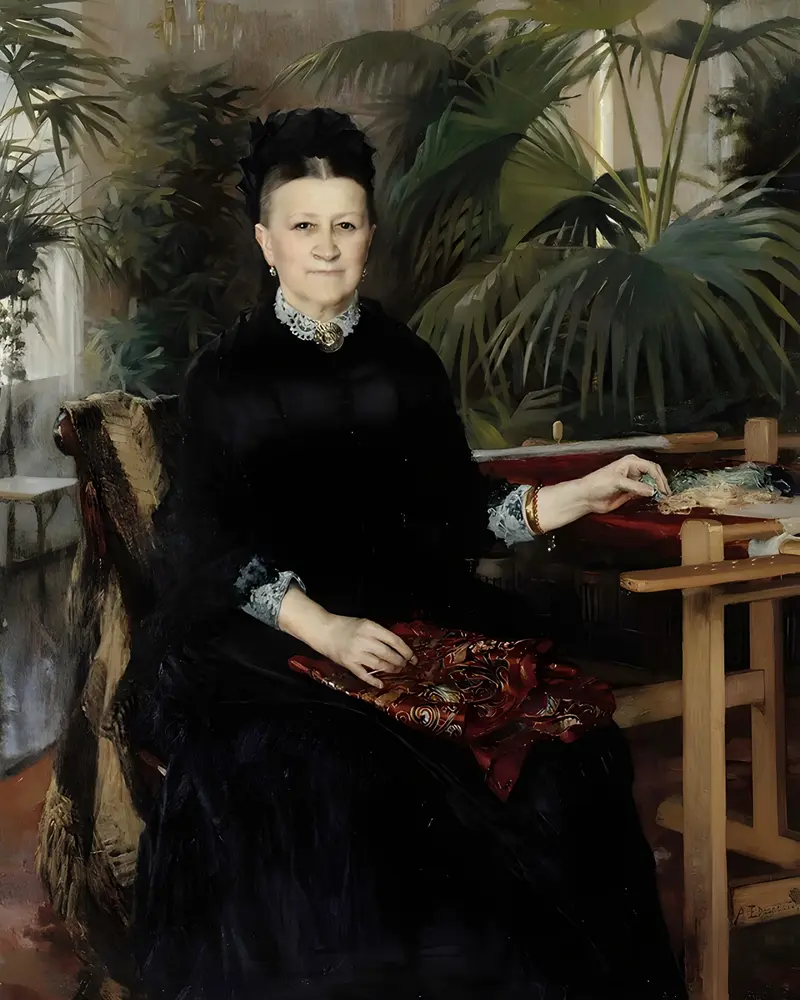
Portrait Of Mrs. Anna Sinebrychoff
Albert Edelfelt

The Poet, Larin Paraske
Albert Edelfelt

Parisian lady in a Peignoir
Albert Edelfelt
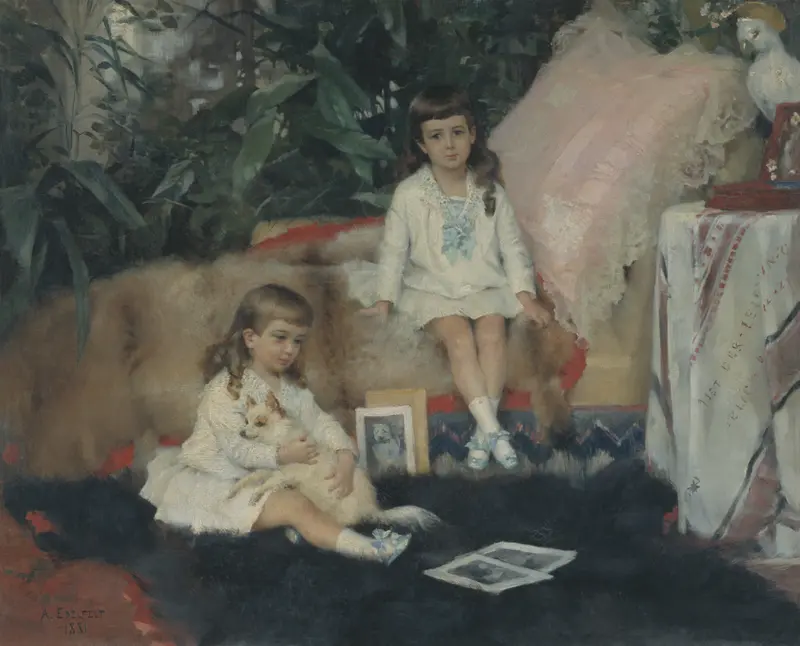
The Grand Dukes Boris and Kirill Vladimirovich as Children
Albert Edelfelt
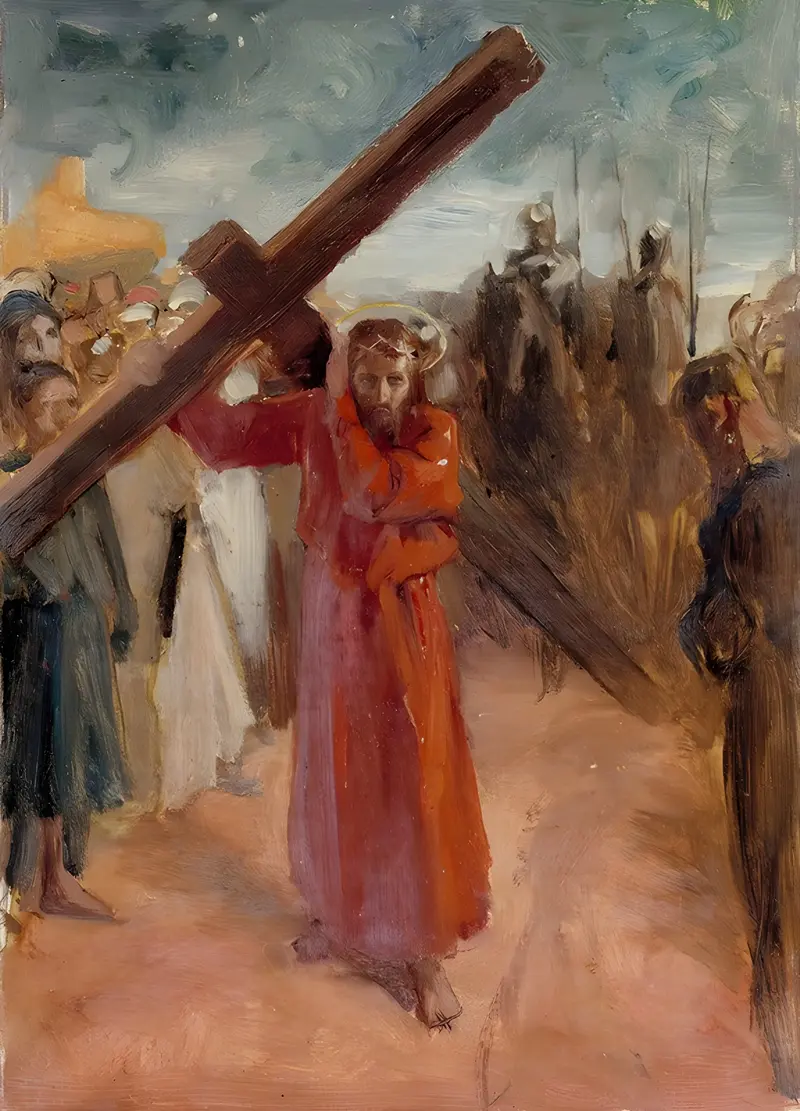
Christ Bears The Cross
Albert Edelfelt
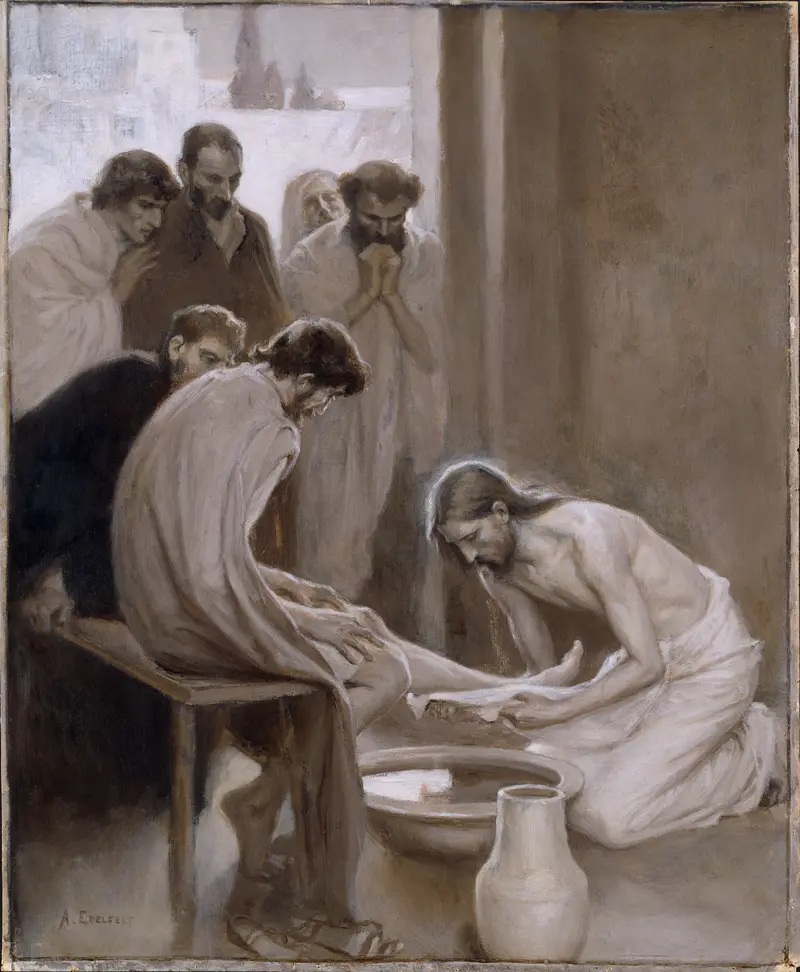
Jesus Washing the Feet of his Disciples
Albert Edelfelt

Larin Paraske with Kantele
Albert Edelfelt
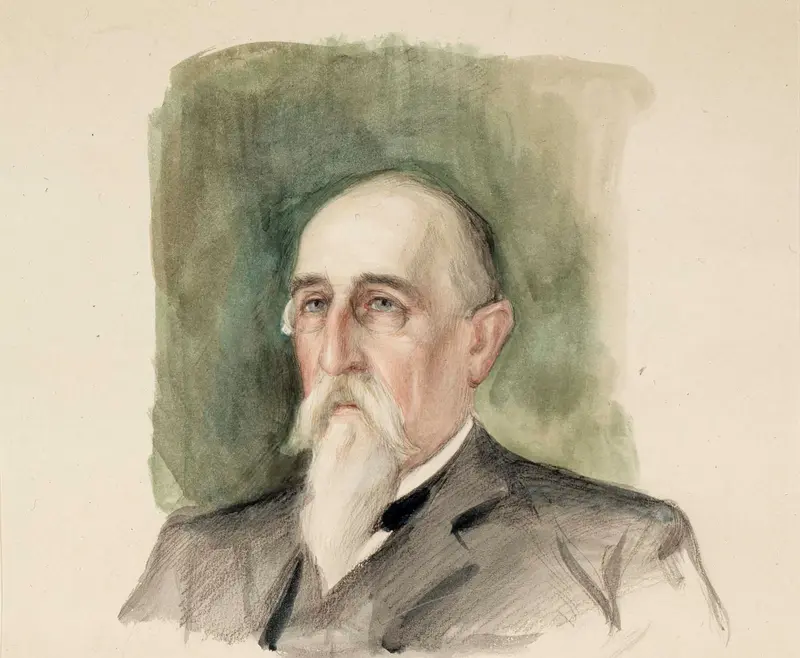
Leo Mechelin, Portrait Study
Albert Edelfelt





