Virtue and Vice — History & Facts
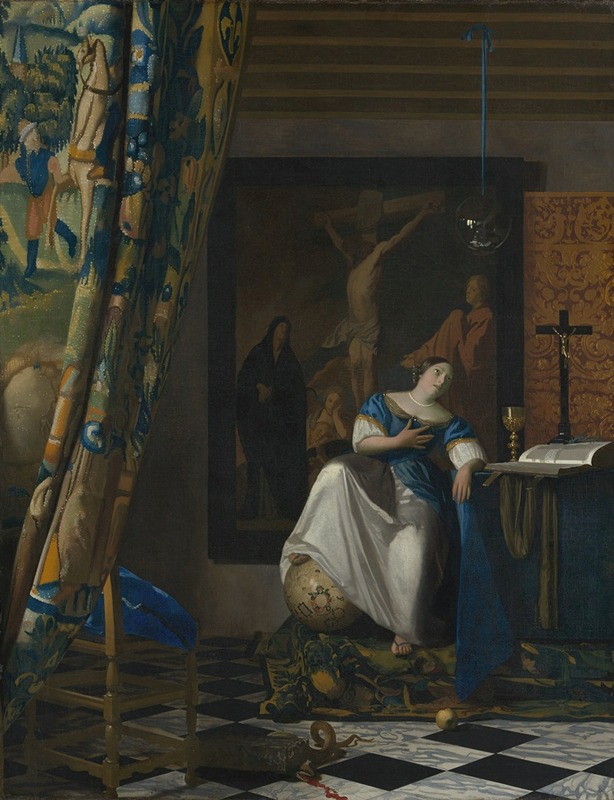
Did the painter know this moment would outlive them? The weight of virtue and vice hangs heavy in the balance, whispering secrets of the human condition that resonate through centuries. Focus on the left side of the composition, where light spills across the scene, illuminating the figures engaged in a tense dialogue. Notice how the rich, vibrant colors — deep reds and shimmering golds — create a dynamic contrast that draws the eye. The meticulous attention to texture, from the fine details of clothing to the expressions etched upon the characters’ faces, reveals a masterful command of oil paint, inviting viewers to explore each nuance. Look closely at the gestures; the slight tilt of heads and outstretched hands convey a story of conflict and desire.
The figures embody the eternal struggle between moral choices, reflecting a universe where virtue is both revered and questioned. Elements like the opulent setting and intricate background symbolize the distractions of earthly pleasures, emphasizing the precarious dance between spiritual ascendance and temptation. Created in the late 16th to early 17th century, this work emerged during a period of profound artistic transformation in Venice. Paolo Caliari, known as Veronese, was at the height of his career, experimenting with dramatic storytelling and color.
The socio-political landscape of Europe, marked by the Counter-Reformation, influenced this exploration of morality, prompting the artist to navigate complex themes of ethics and human emotion through his opulent canvases.