
Viviers — History & Facts
Is this a mirror — or a memory? In Viviers, stillness envelops the canvas, inviting us to peer into a moment suspended in time, where silence reigns supreme. Begin by focusing on the luminous water in the foreground, which shimmers with dappled light, its blues and greens blending harmoniously. Notice how the gentle strokes create a sense of movement, as if the water breathes softly. Just above, the horizon glows with warm hues, hinting at a tranquil sunrise or sunset.
The trees, rendered with bold, yet tactile brushwork, frame the scene, their leaves whispering secrets of the past while anchoring the composition. Delve deeper into the contrasts that emerge: the vibrancy of nature tempered by its calmness. The juxtaposition of the lively colors against the serenity of the landscape evokes both joy and introspection. Each brushstroke carries an emotional weight, reflecting the artist’s desire to capture more than mere scenery — it speaks to a collective memory, a shared experience of peaceful solitude. Paul Signac painted Viviers in 1933 during a period marked by significant shifts in the art world.
At this time, he was deeply engaged with the principles of color theory and the use of pointillism. Living in the southern regions of France, Signac sought to express the emotive power of landscape, while navigating the challenges of a world on the brink of change. This work stands as a testament to his enduring quest for beauty amidst uncertainty.
More Artworks by Paul Signac
Browse all →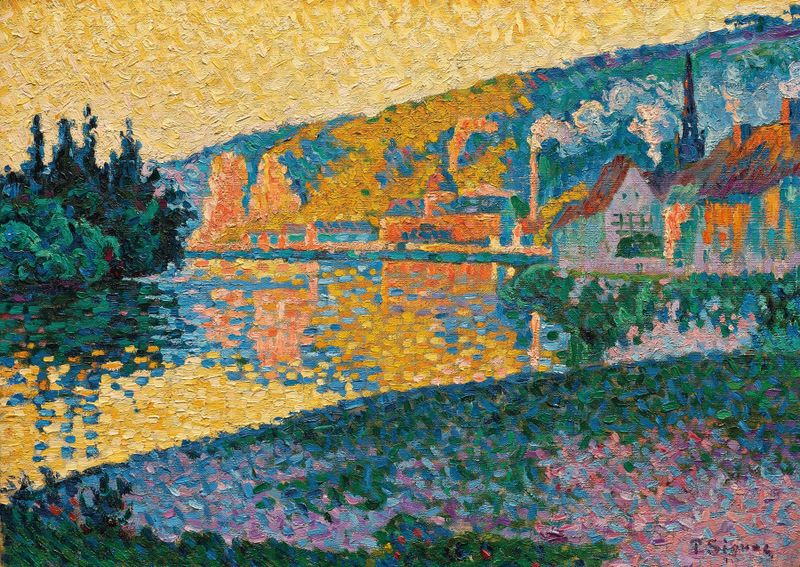
Les Andelys. Soleil couchant
Paul Signac
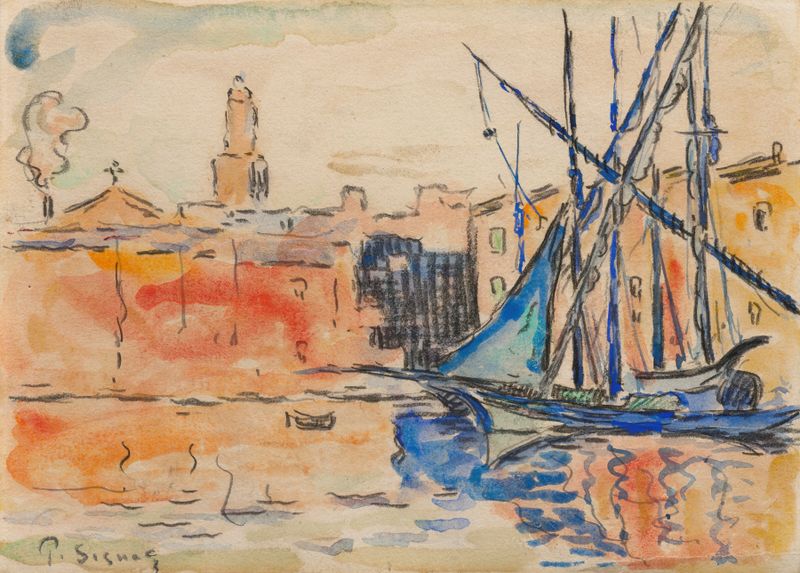
Saint-Tropez, le port
Paul Signac
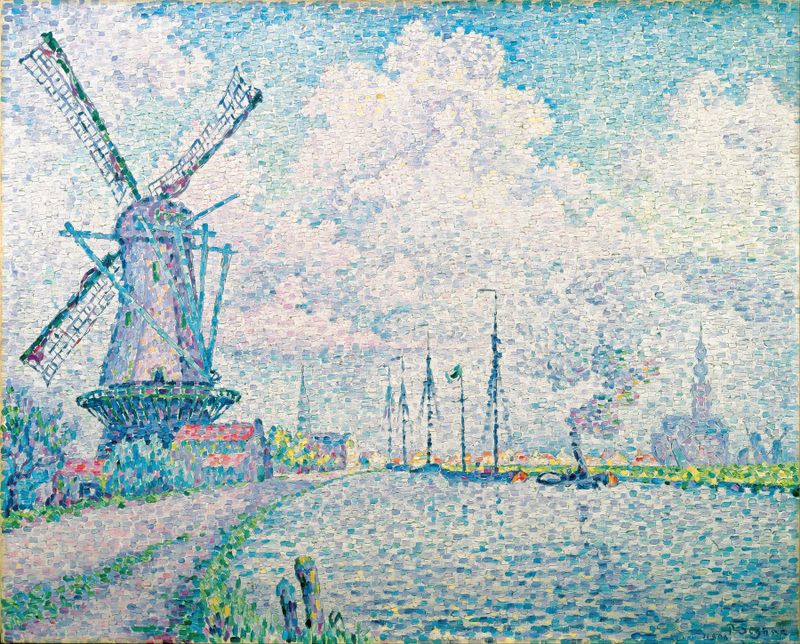
Canal of Overschie
Paul Signac
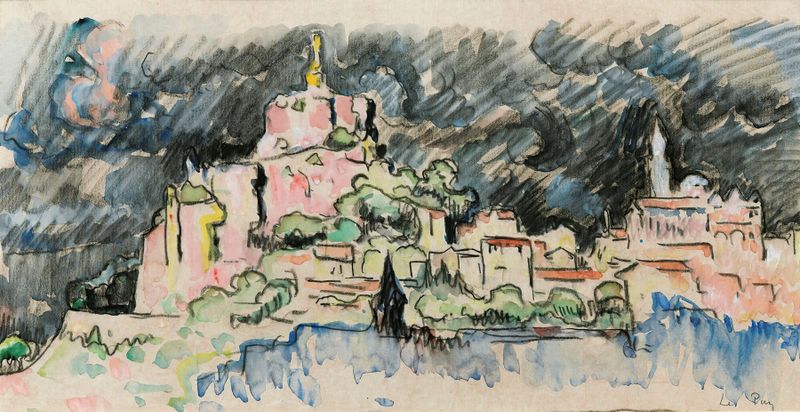
Le Puy-En-Velay, Ciel D’orage
Paul Signac
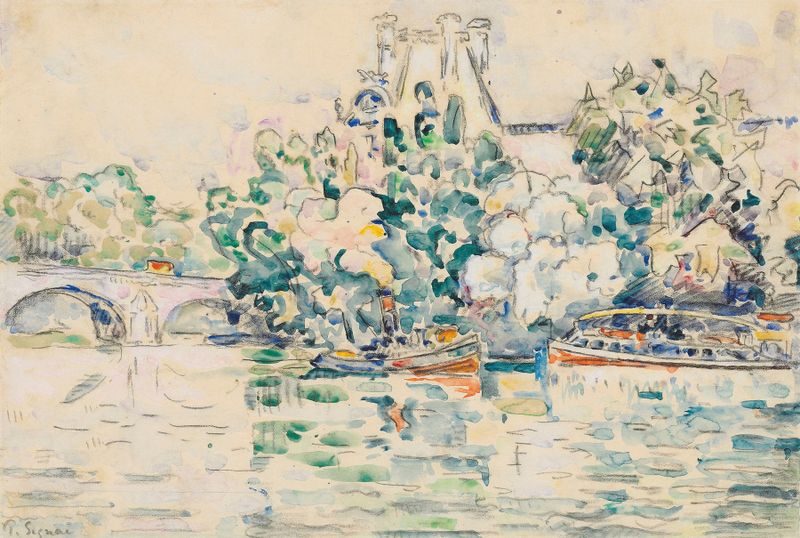
Paris, La Seine au Pont-Royal
Paul Signac
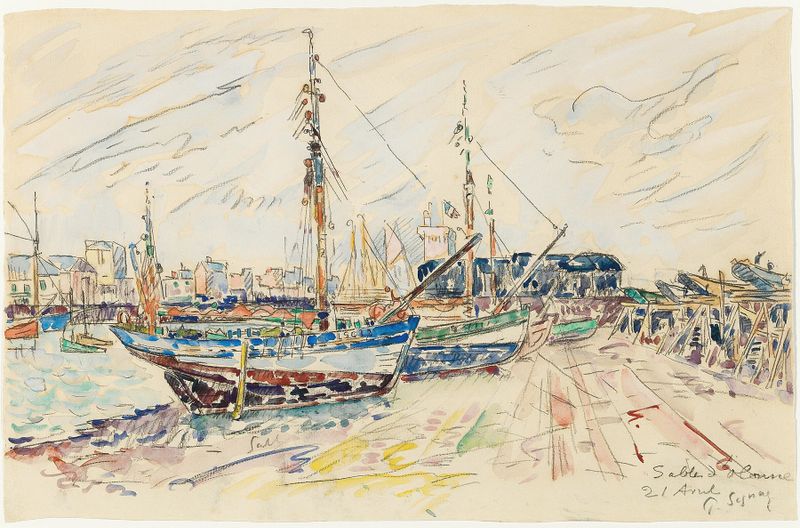
Sables d’Olonne
Paul Signac
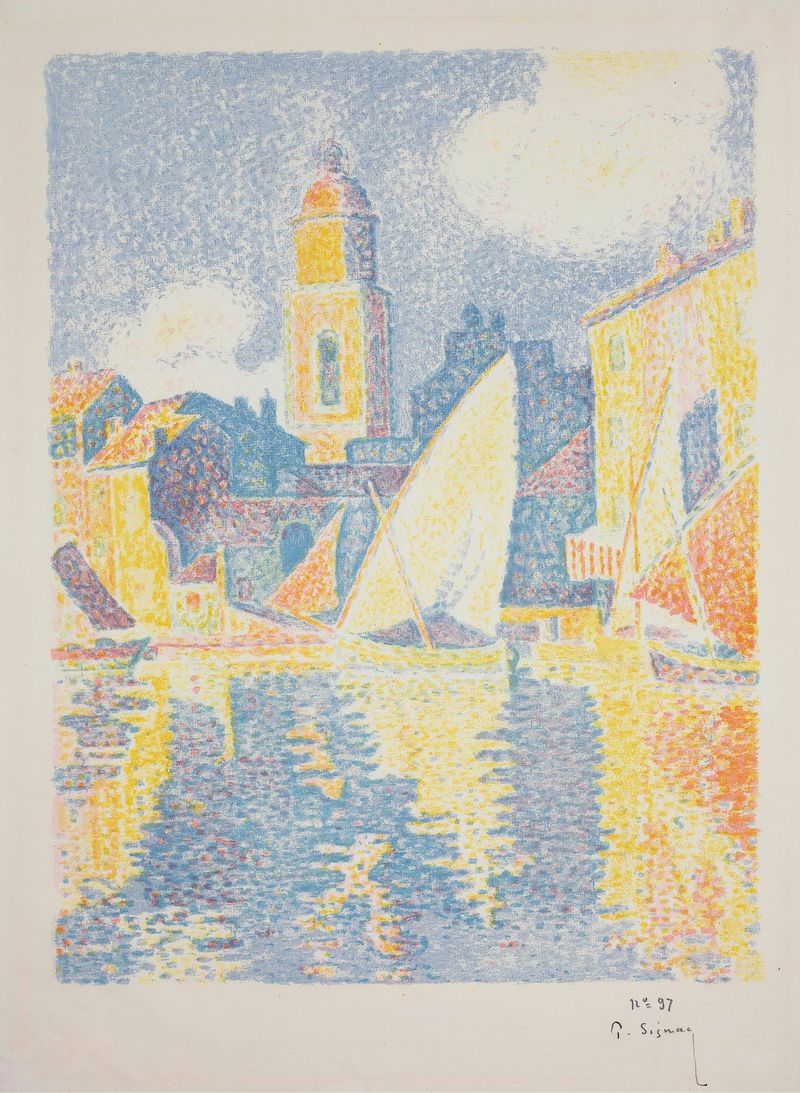
The Port of St. Tropez
Paul Signac
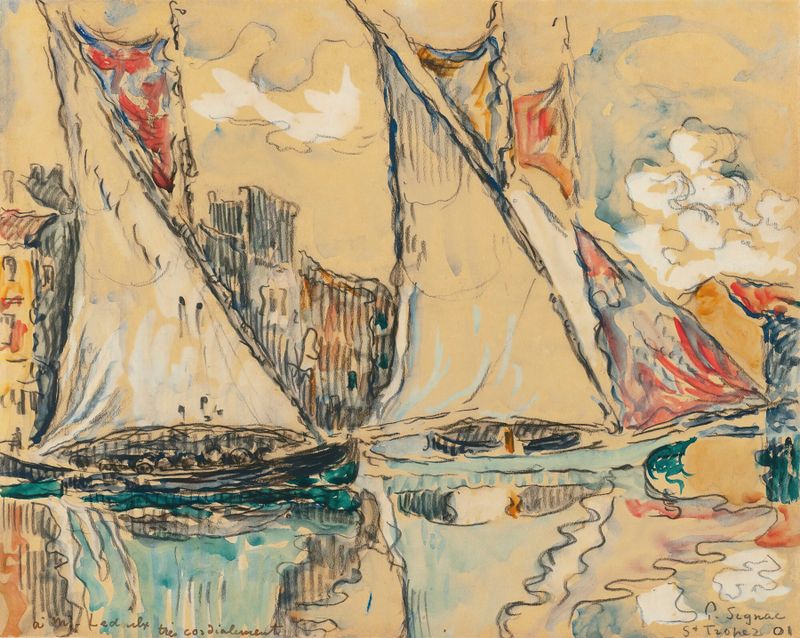
Saint-Tropez, Voiles Au Sec
Paul Signac
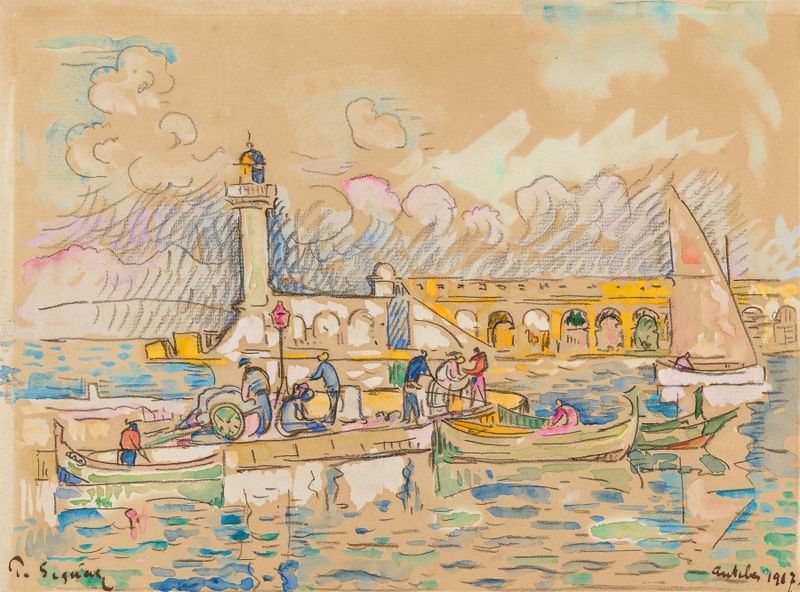
Antibes
Paul Signac

Saint-Tropez
Paul Signac





