
Vrouwelijke putto met wapen op een schild — History & Facts
Can paint confess what words never could? In this striking work, the artist channels mortality through a delicate interplay of innocence and the heavy burden of lineage. Look to the right at the shield, its intricate heraldic design serving as a bold contrast to the ethereal figure beside it. The putto's cherubic face, framed by soft curls, exudes a sense of youthful purity, while the muted palette—blushing pinks and subtle greens—invites gentle contemplation. Notice how the light delicately bathes the figure, highlighting the essence of youth yet casting shadows that whisper of the inevitable passage of time. Within this serene composition lies a juxtaposition of vulnerability and legacy.
The putto, often associated with love and innocence, stands in stark contrast to the imposing symbol of heritage that the shield represents. This duality evokes a tension between the fleeting nature of life and the enduring weight of family allegiance. Each brushstroke tells a story of existence, revealing how beauty can be both a celebration and a reminder of our mortality. In 1535, Hans Sebald Beham crafted this piece during a period marked by shifting artistic paradigms in the German Renaissance.
Emerging from the influence of Albrecht Dürer, Beham's work showcases a fascination with intricate details and emotional depth, as he navigated the complexities of identity and mortality against a backdrop of social change and emerging humanist thought.
More Artworks by Hans Sebald Beham
Browse all →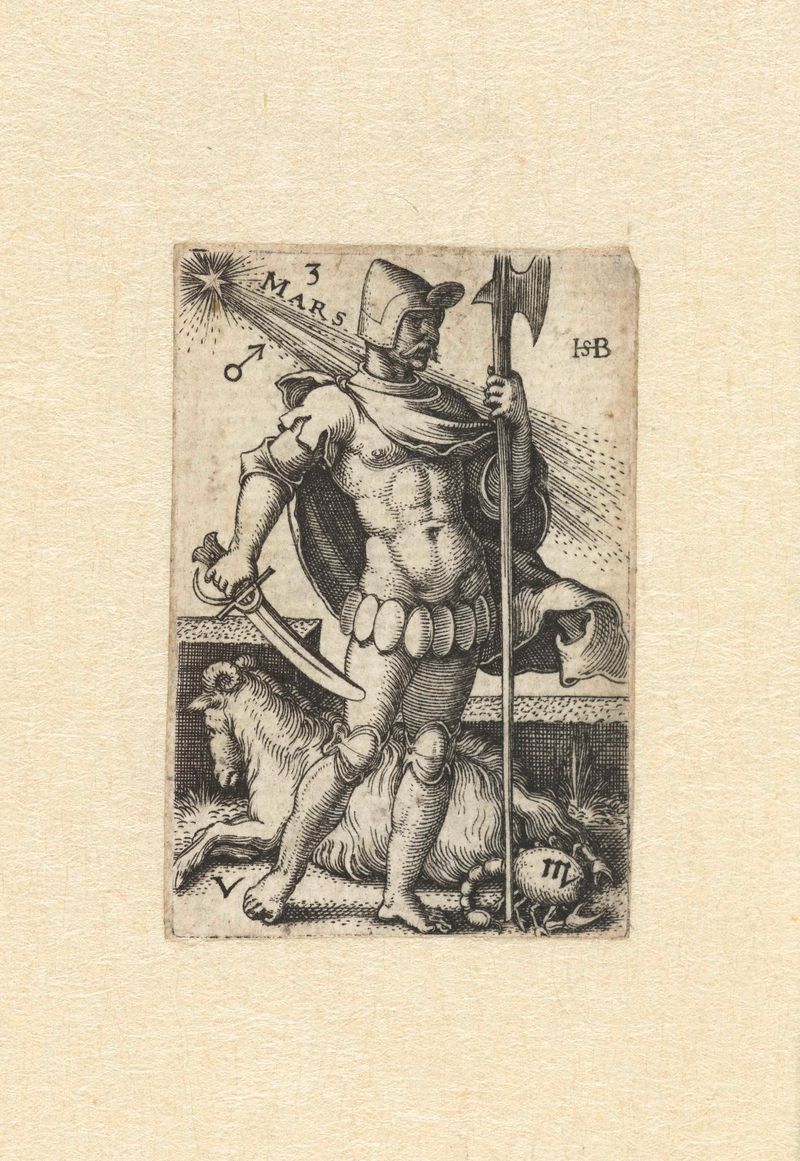
Mars met sterrenbeelden Ram en Schorpioen
Hans Sebald Beham

Achilles in gevecht met Hector
Hans Sebald Beham
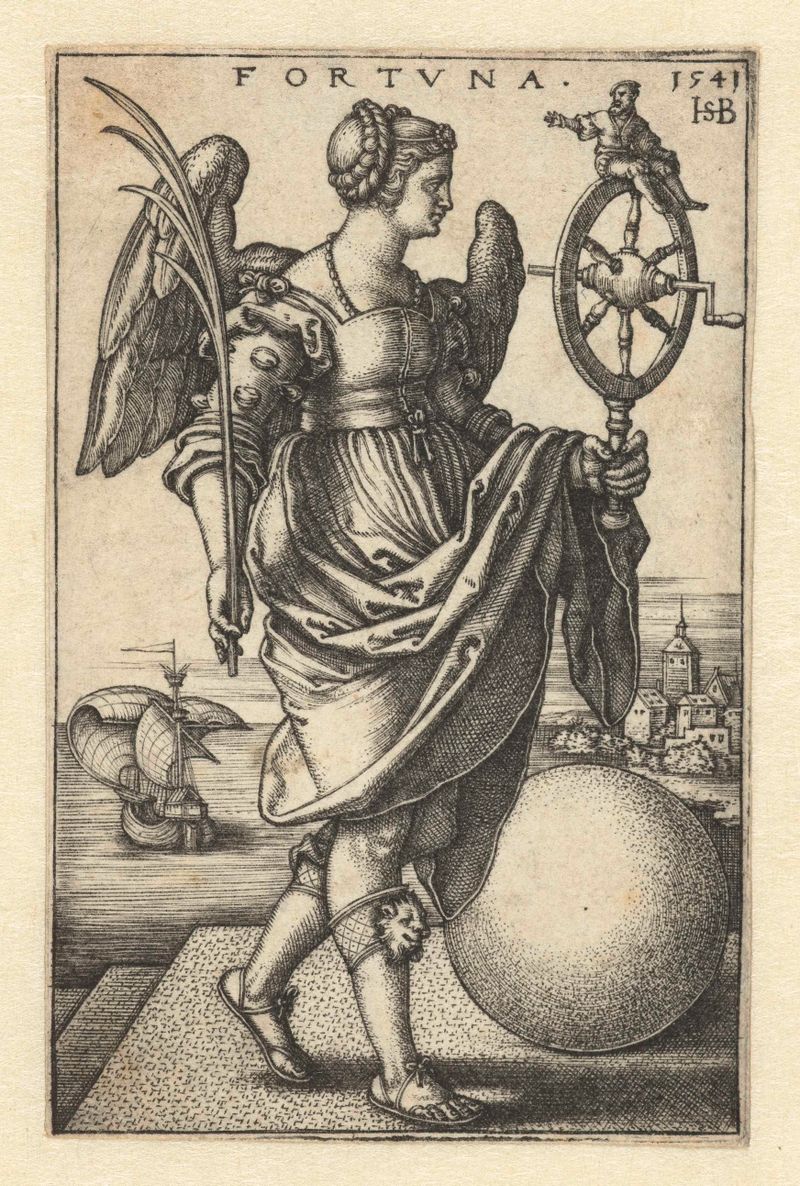
Fortuna
Hans Sebald Beham

Hercules worstelt met Antaeus
Hans Sebald Beham

Twee muzikanten met schalmey en doedelzak
Hans Sebald Beham

Voorzichtigheid (Prudentia)
Hans Sebald Beham

Hercules in gevecht met de Trojanen
Hans Sebald Beham
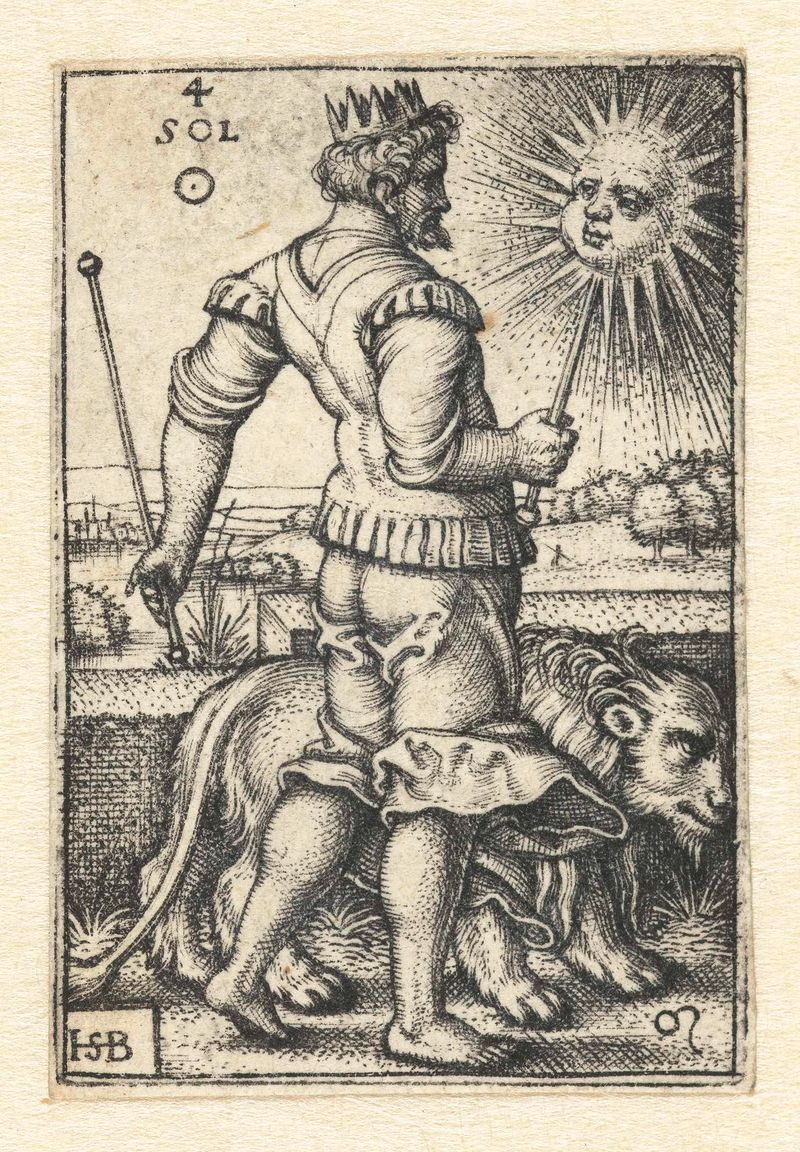
Apollo (Sol) met sterrenbeeld Leeuw
Hans Sebald Beham
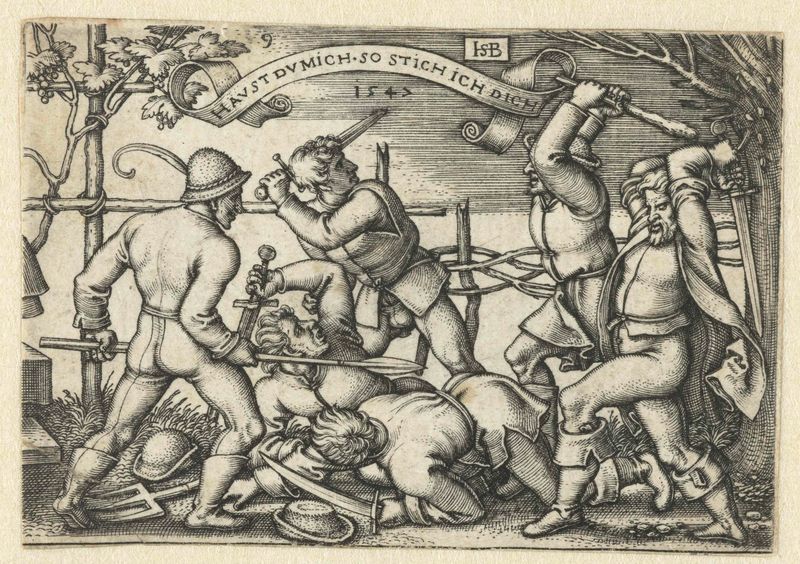
Vechtende boeren met zwaarden
Hans Sebald Beham
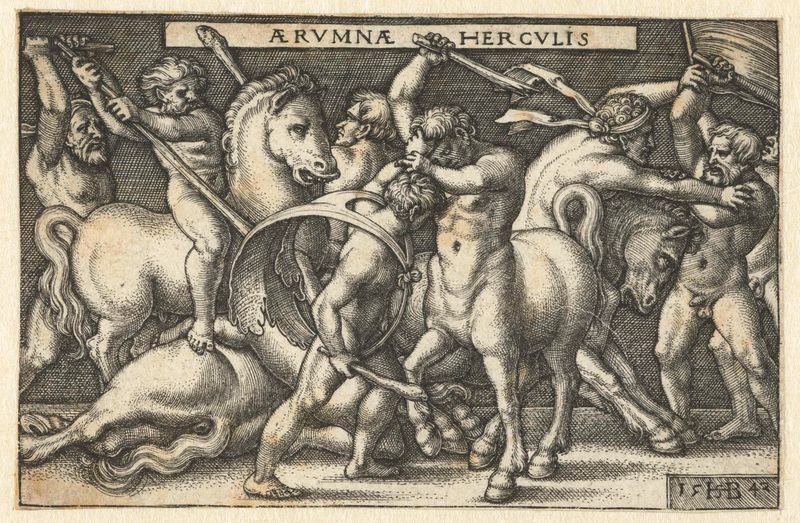
Hercules in gevecht met centaurs
Hans Sebald Beham





