
Vue de Caub du Pfalz des ruines de Schoenberg et Gutenfels — History & Facts
In the stillness of Vue de Caub du Pfalz des ruines de Schoenberg et Gutenfels, movement lingers like a whisper, each brushstroke a ghost of a moment long gone. The scene invites contemplation, a poignant reminder of the passage of time and the stories held within the ruins. It evokes the melancholic beauty found in decay, where the past dances quietly with the present. Look to the right, where the majestic ruins rise against a backdrop of rolling hills.
The interplay of light and shadow creates a dynamic tension, drawing your eye to the textures of the stone, revealing the artistry of decay. Notice how the colors transition from earthy browns and greens at the foreground to the soft blues of the distant sky, evoking a sense of depth and distance. The composition is carefully balanced, inviting the viewer to explore every inch of this quiet landscape. Beneath the tranquil surface lies an exploration of time and loss.
The ruins stand as a testament to both resilience and vulnerability, capturing the essence of what once was while hinting at inevitable decline. The sweeping landscape reflects a duality: the beauty of nature reclaiming its territory contrasted with the stark remnants of human endeavor. This tension invites introspection, urging the viewer to consider the interplay of permanence and transience. Created in a period when Romanticism was gaining prominence, the artist found inspiration in the ruins, emblematic of the sublime and the natural world.
Set against the backdrop of a shifting art scene in 18th-century Europe, Bleuler's work resonates with a collective yearning for connection to the past. While the exact date remains uncertain, the echoes of personal and historical narratives imbue the painting with a timeless quality that continues to captivate.
More Artworks by Johann Ludwig Bleuler
Browse all →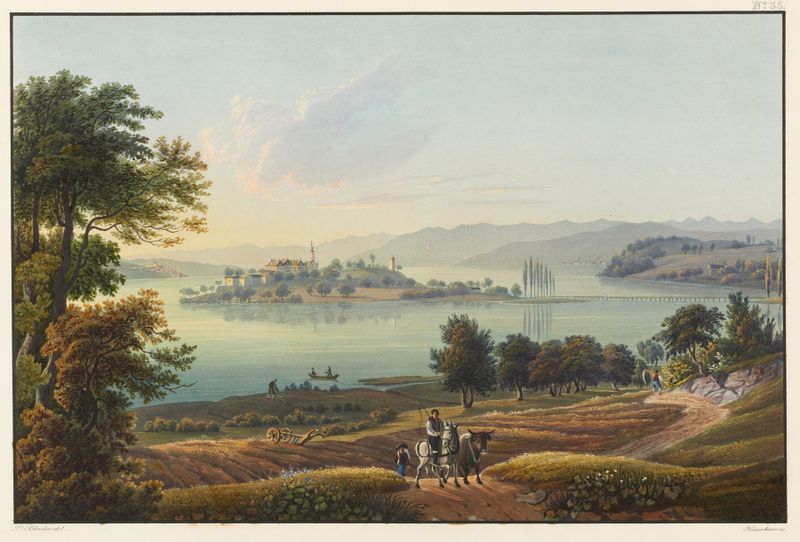
Vue de l’Jsle de Meynau dans le lac de Constance
Johann Ludwig Bleuler
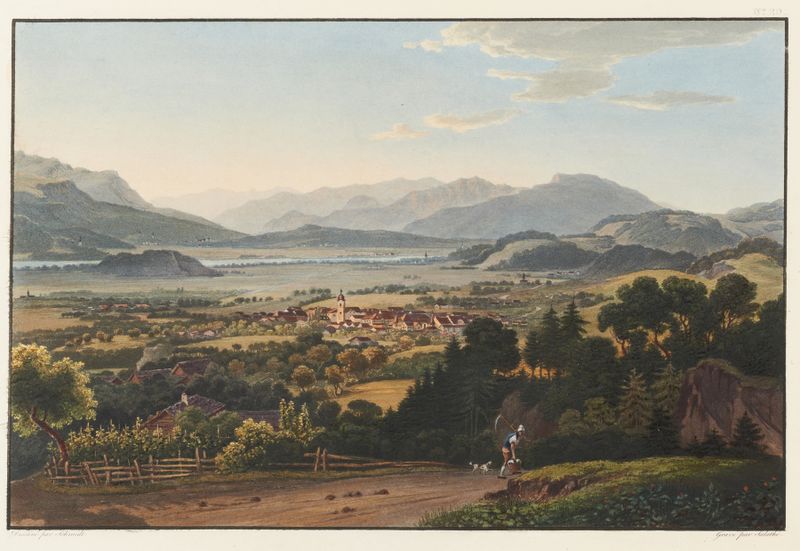
La petite ville d’Altstatten dans la valée du Rhin, Canton de St. Gall
Johann Ludwig Bleuler
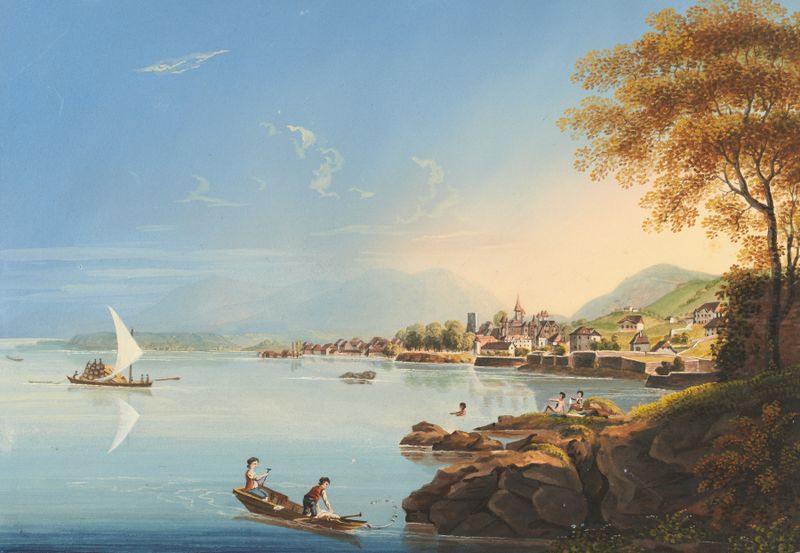
Vue de la ville de Neuchatel en Suisse
Johann Ludwig Bleuler
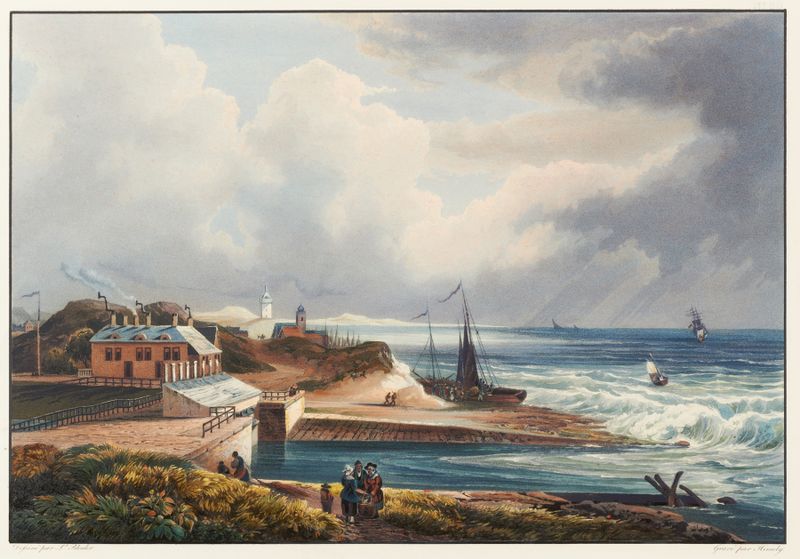
Vue de Katwyk et de l’embochure du Rhin, dans la Mer du Nord
Johann Ludwig Bleuler
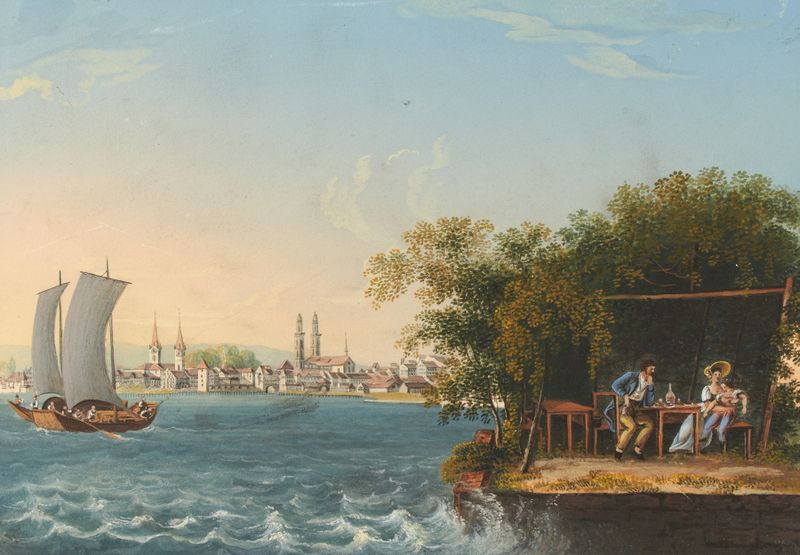
Vue de la ville de Zurich
Johann Ludwig Bleuler
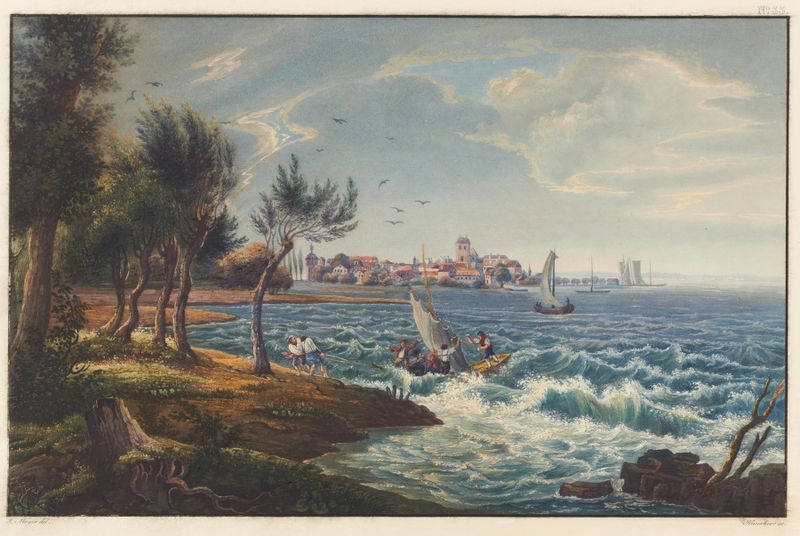
Vue de la ville d’Arbon et du lac de Constance
Johann Ludwig Bleuler
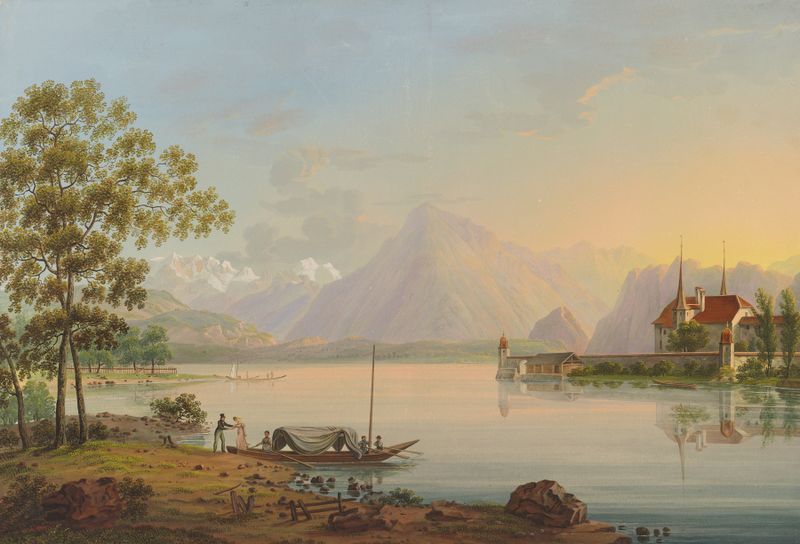
Thoun am Thounersee
Johann Ludwig Bleuler
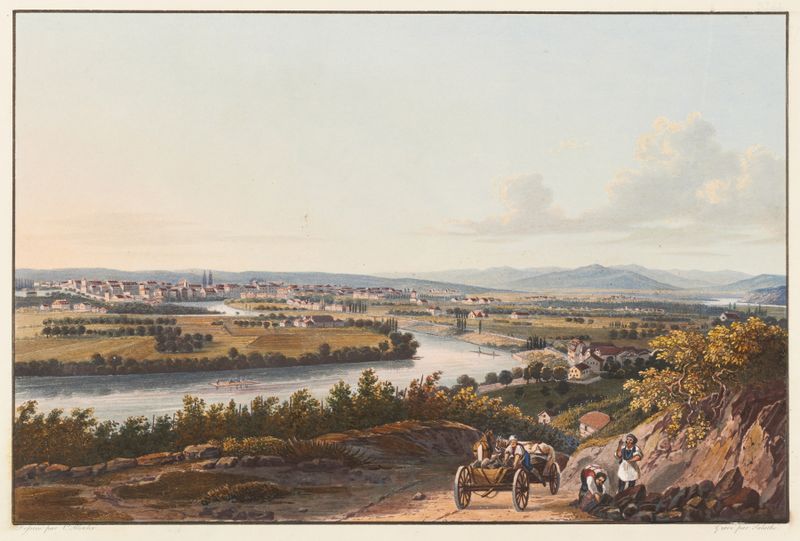
Vue de la ville de Bâle et de ses environs
Johann Ludwig Bleuler
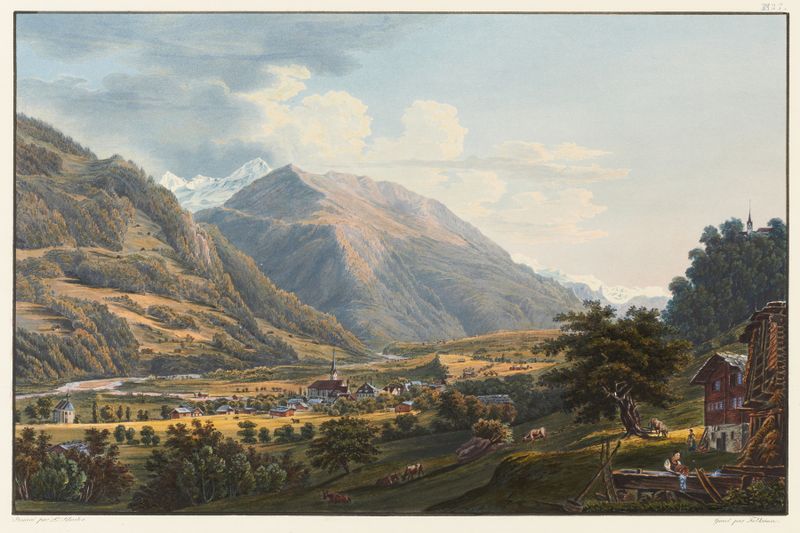
Vue du village de Trons, historique au sujet de la confederation du Canton des Grisons
Johann Ludwig Bleuler
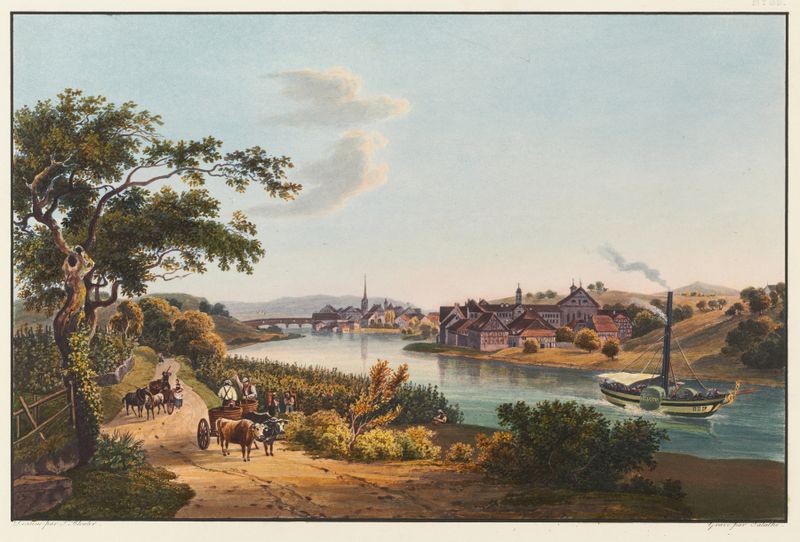
Vue de la ville de Diessenhofen et du Couvent de Catherinenthal
Johann Ludwig Bleuler





