Vue de Montmartre — History & Facts
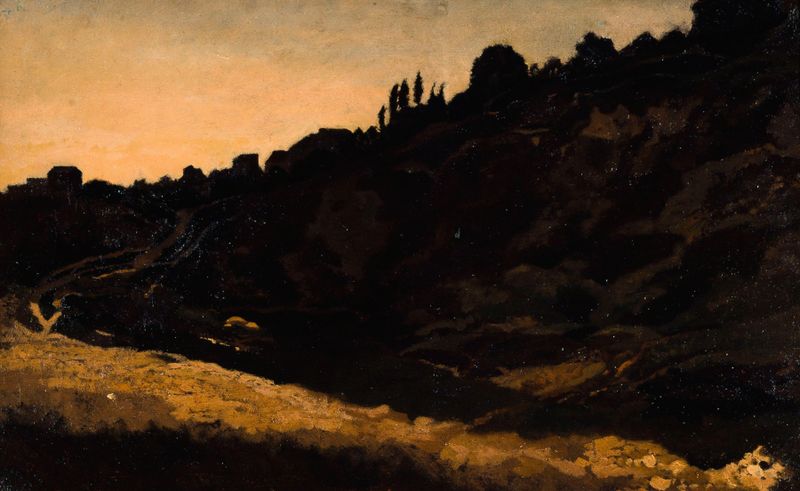
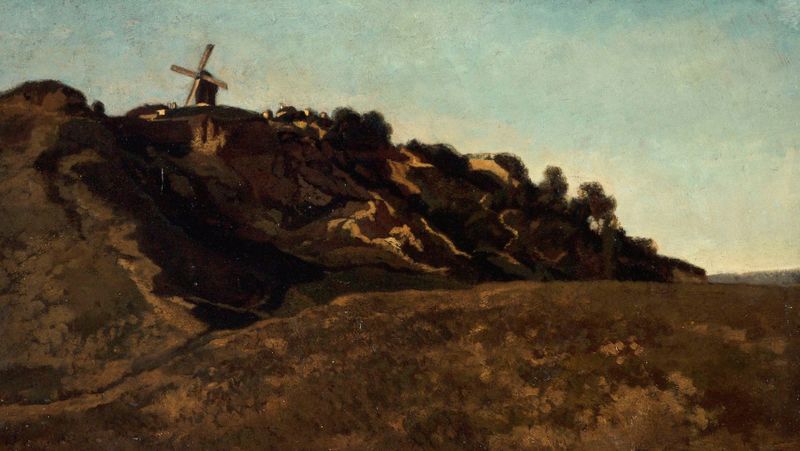
Can paint confess what words never could? In Vue de Montmartre, a delicate layer of madness shimmers beneath the surface, inviting exploration and reflection. Look to the left at the winding streets that cascade down from the hilltop, where small figures appear as fleeting shadows against the vibrant palette. The artist uses soft, dappled strokes to evoke the sun’s embrace on the rooftops, while hints of azure and ochre collide, suggesting a world alive and throbbing with energy. The composition is balanced yet dynamic, drawing the viewer’s gaze into the bustling scene while hinting at the chaos of life that surrounds it. Within this seemingly serene landscape lies an undercurrent of tension.
The juxtaposition of bright colors against darker tones creates a sense of duality — a celebration of beauty intertwined with the madness of everyday existence. The figures, almost spectral, appear caught between reality and imagination, hinting at the existential struggles of the time. Each brushstroke resonates with the chaos of creation, suggesting that the vibrant life of Montmartre can be both a sanctuary and a source of turmoil. In 1848, Lavieill created this piece amid a period of revolution and change in France, reflecting societal upheaval and artistic exploration.
Living in Paris, he was influenced by the burgeoning Impressionist movement, which sought to capture the fleeting nature of light and life. This work connects to the historical context of its time, illustrating not only the beauty of Montmartre but also a deeper, more complex narrative of human experience.