Vue de Moulin — History & Facts
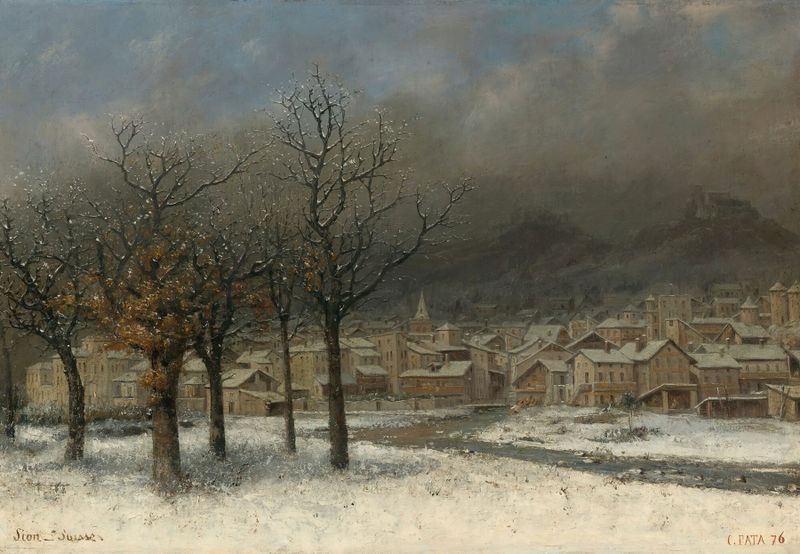
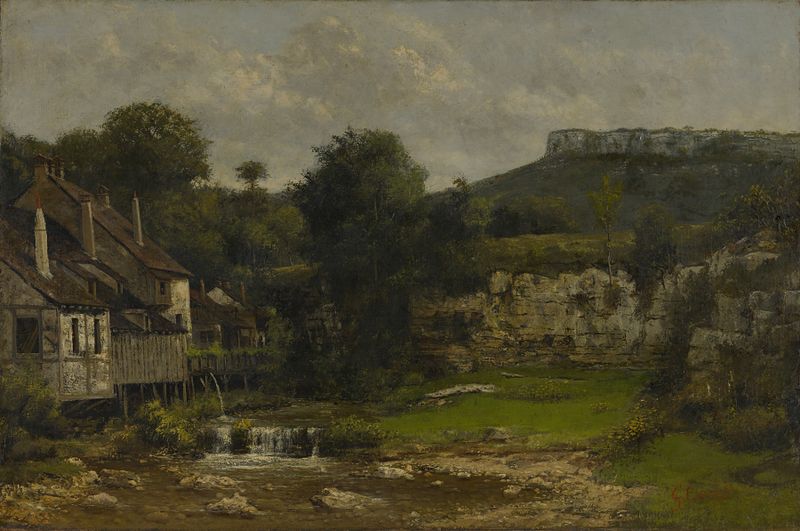
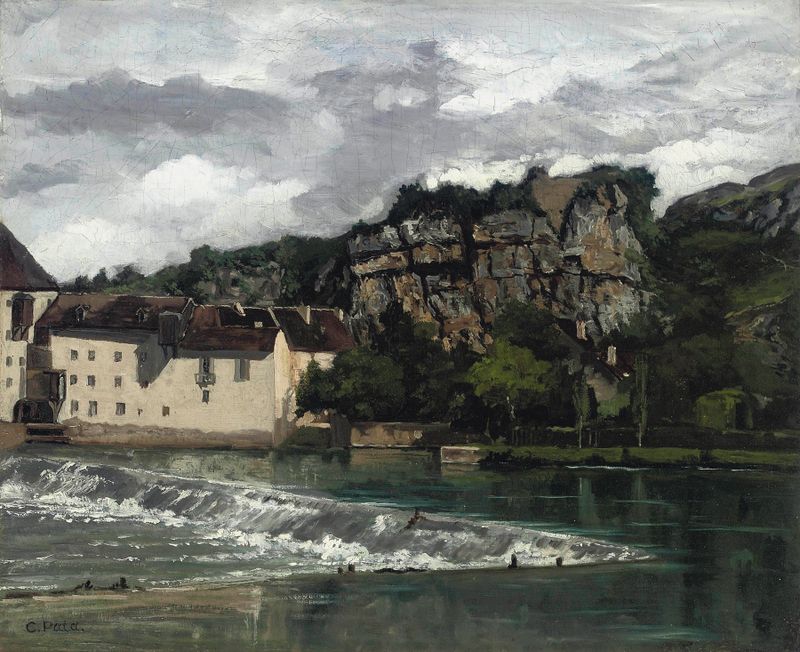
Where does light end, and longing begin? In Vue de Moulin, nostalgia unfurls like the golden rays of the setting sun, weaving a delicate tapestry of memory and landscape. Focus on the windmill, positioned gracefully at the center of the composition. Its sails, caught in a gentle breeze, invoke a sense of movement and promise. The play of light across the fields creates a rhythmic dance of color—from the soft greens and yellows to the deeper, almost melancholic hues of twilight.
Notice how the artist layers the sky with soft pastels, hinting at the day's end while inviting a sense of hope and reflection. Yet, beneath this serene surface lies an emotional tension—what was lost and what remains. The distant horizon, both beautiful and unreachable, suggests a yearning for a time long past, a connection to nature and simplicity that modernity threatens to eclipse. The juxtaposition of the vibrant foreground against the muted background embodies the fleeting nature of happiness, urging the viewer to contemplate their own journey through the landscape of life. Cherubino Patà painted Vue de Moulin in 1876 while living in France during a period marked by rapid industrialization and social change.
This era profoundly influenced artists, inspiring many to romanticize rural life and capture its essence before it faded. Patà, absorbed in the picturesque beauty of his surroundings, created this work as a testament to the enduring bond between humanity and nature, reflecting both his personal experience and the collective longing of his time.