View Of Sion — History & Facts
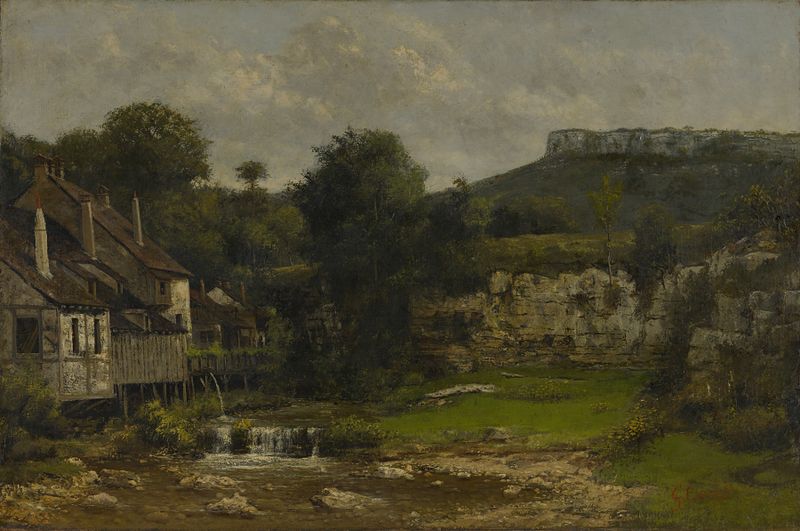
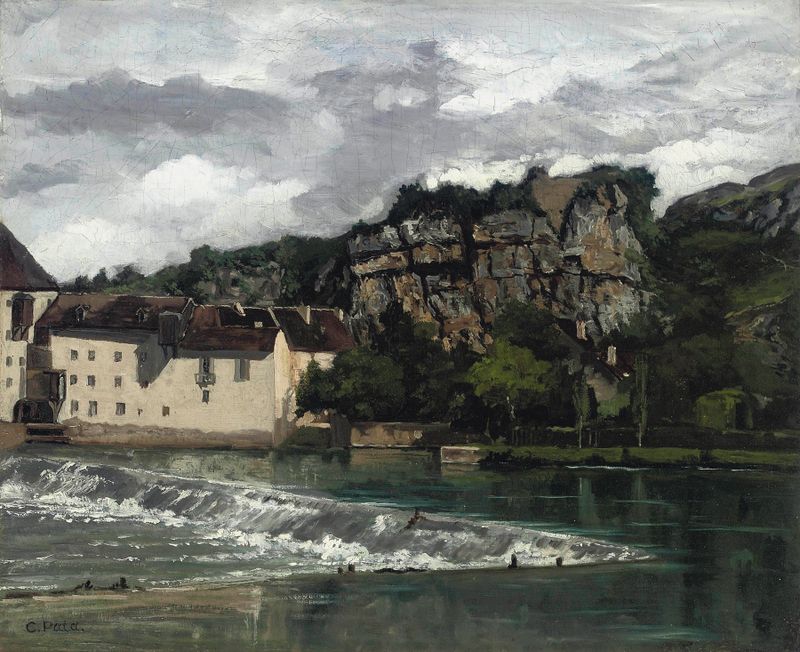
What secret hides in the quiet of the canvas? In View Of Sion, the tranquility of landscape reveals an ecstasy that dances between the vibrant hues and the gentle brushstrokes. Look to the left at the undulating hills that cradle the peaceful village, their rich greens and golds whispering to one another under the golden glow of the late afternoon sun. Notice how the light falls upon the quaint buildings, accentuating their warmth and inviting a sense of belonging within the scene. The delicacy of the artist’s technique captures not only the physical space but also the emotional resonance, as the azure sky spreads overhead like a serene embrace. Delve deeper into the composition, and you’ll find layers of meaning embedded in the juxtaposition of light and shadow.
The distant mountains, looming yet serene, embody the struggle between nature's grandeur and human existence, as they stand witness to the serene life below. The soft blues of the sky contrast with the earthy tones of the land, reflecting the duality of aspiration and reality, where one can almost feel the ecstasy of nature’s embrace mingling with the whispers of human dreams. Cherubino Patà created this work in 1876 while in the throes of a burgeoning career that sought to capture the Italian landscape’s essence. Living in a period of transition, both personally and within the art world, he was influenced by Romanticism and the emerging Realism movement.
The year marked a time of growth and exploration for the artist, as he sought to convey not only the physical beauty of his homeland but also the emotional landscapes that lay within.