
Vue de Moutru et du Chateau de Chillon — History & Facts
In the delicate brushstrokes of this landscape, obsession finds its canvas, and the ephemeral beauty of the scene is forever captured. Look to the left at the jagged peaks that soar like sentinels against the serene blue sky, their presence commanding yet tranquil. Notice how the artist bathes the landscape in a soft, golden light, illuminating the chateau peacefully nestled by the water’s edge. The contrast between the rugged mountains and the gentle lapping of the lake creates a visual harmony, guiding your gaze effortlessly from the imposing stone structure to the mirrored reflection below. Beneath the picturesque surface lies a deeper narrative of longing and nostalgia.
The chateau, a symbol of history and memory, stands resilient against the passage of time, embodying the artist's fixation on permanence in an ever-changing world. Meanwhile, the delicate ripples of the lake hint at the fleeting nature of existence, a poignant reminder that even the most idyllic scenes are transient. This interplay highlights a profound tension: the desire to preserve beauty amidst the inevitability of decay. During the years between 1915 and 1945, Gabriel Lory the older was entrenched in a Europe marked by upheaval and transformation.
Painting Vue de Moutru et du Chateau de Chillon during this tumultuous period, he sought solace in the landscapes of his homeland, drawing inspiration from the stability of nature while grappling with the chaos surrounding him. His work reflects not only a personal obsession with beauty and memory but also a broader response to the fragility of life itself.
More Artworks by Gabriel Lory the older
Browse all →
Vue du Montanvert
Gabriel Lory the older

Vue sur le lac de Thoune depuis Steffisbourg
Gabriel Lory the older
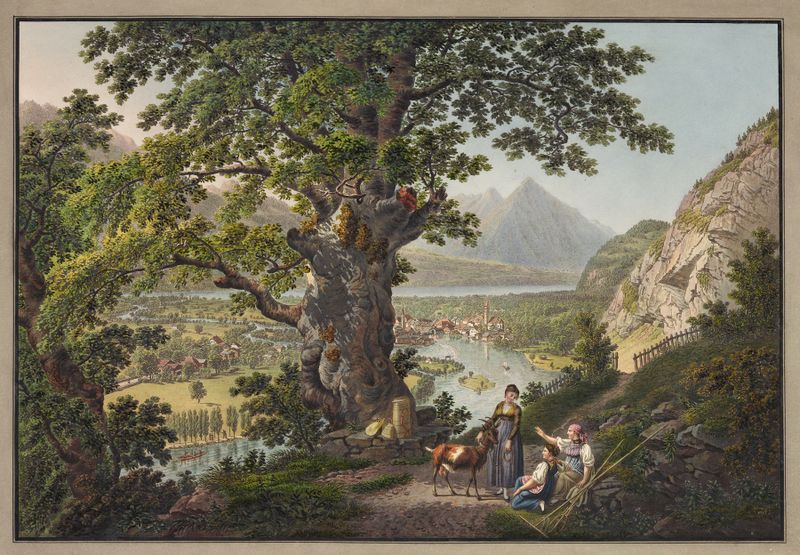
Unterseen depuis le Hohbuhl
Gabriel Lory the older
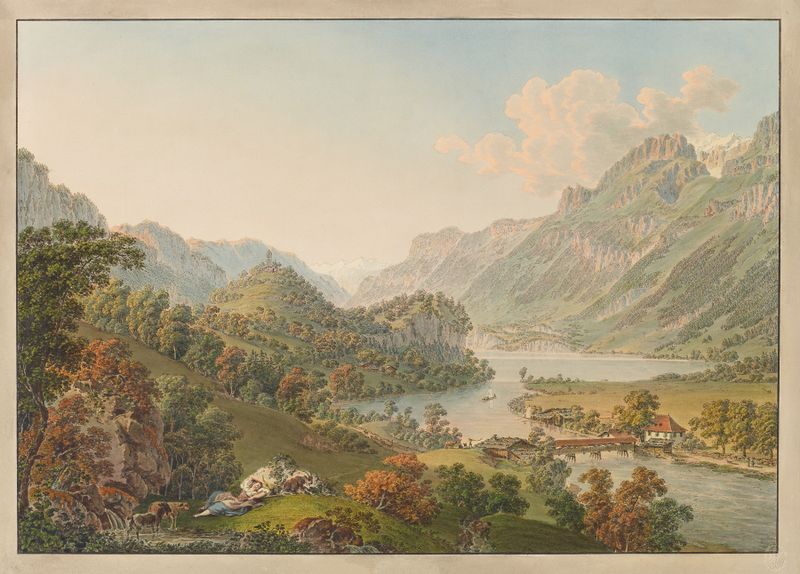
Sortie de l’Aar du Lac de Brienz
Gabriel Lory the older
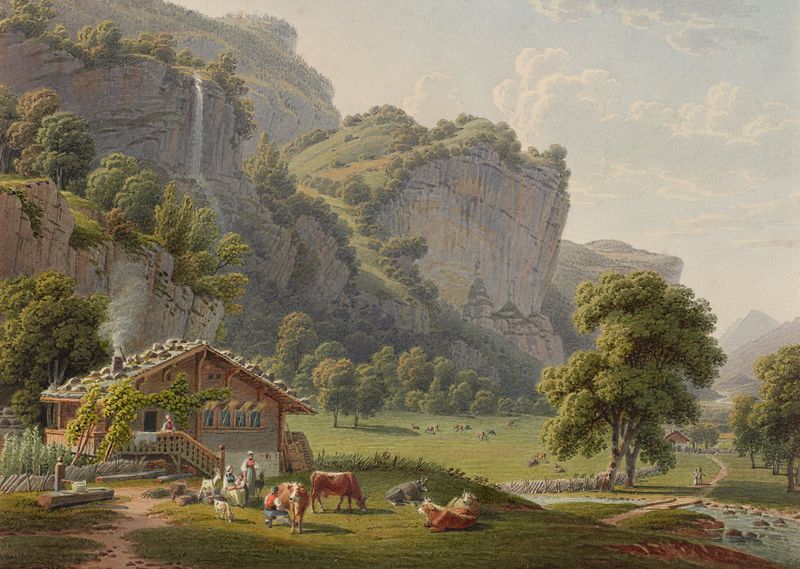
Bauernhaus im Lauterbrunnental
Gabriel Lory the older
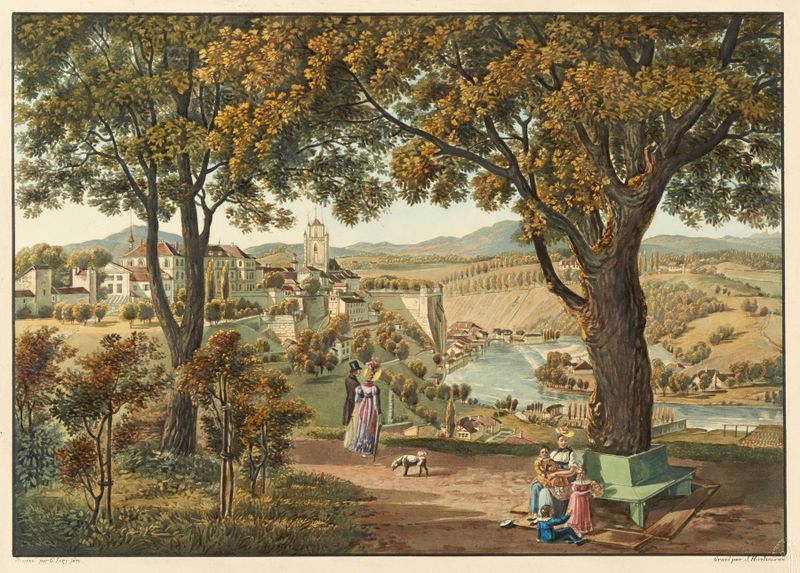
Vue de la ville de Berne prise de la promenade des remparts
Gabriel Lory the older

Le Glacier inferieur du Grindelwald & le Mont Eiger
Gabriel Lory the older

Cascade du Nant d’Arpenas
Gabriel Lory the older

Elfenau près Berne
Gabriel Lory the older
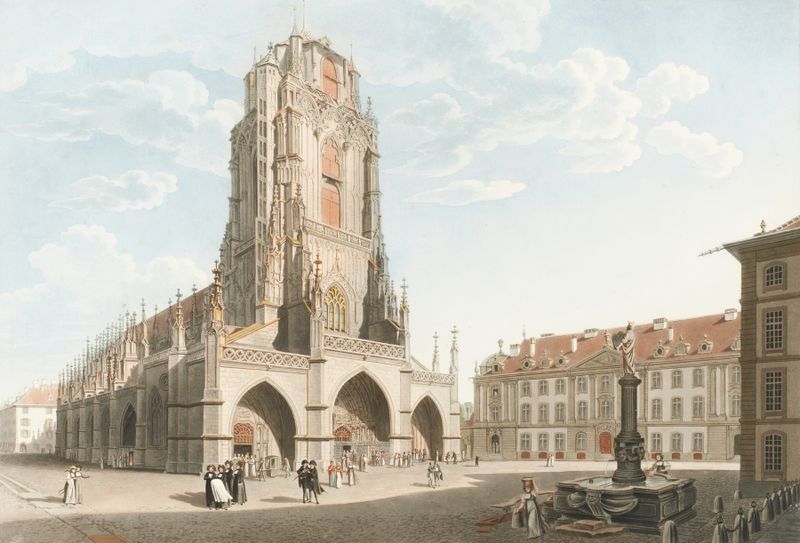
Vue de la Cathédrale de Berne
Gabriel Lory the older





