
Waldlandschaft mit Bildstock — History & Facts
Where does light end, and longing begin? In the dense embrace of the forest, shadows weave a tapestry of unease, whispering secrets of the unseen. Look to the left at the tall, stoic trees, their trunks stretching upward, creating a cathedral of nature that seems to draw the eye deeper into the woods. The soft interplay of light filtering through the foliage bathes the scene in a gentle glow, contrasting against the darkness that lurks below. Notice how the simple shrine stands almost like a sentinel, its weathered surface capturing both reverence and neglect—the browns and greens echoing nature’s ancient cycles while hinting at the passage of time and memory. Beneath the serene beauty lies an undercurrent of fear and uncertainty.
The lone image of the shrine raises questions of faith and mortality, evoking a sense of solitude in the heart of the wilderness. The juxtaposition of the vibrant greens against the shadowy depths portrays a delicate balance between hope and despair, as if the forest itself holds stories of those who once sought solace here, yet may have found only isolation. In 1750, while creating this piece, the artist found himself amidst a shifting landscape of artistic philosophy, characterized by the transition from Baroque to Rococo. Living in Germany during this period, he was influenced by both the majesty of the natural world and the introspection of the human spirit.
His portrayal of the woodland scene reflected both the beauty of nature and the existential questions of his time, revealing an artist deeply engaged in the dialogue between light and shadow.
More Artworks by Christian Hilfgott Brand
Browse all →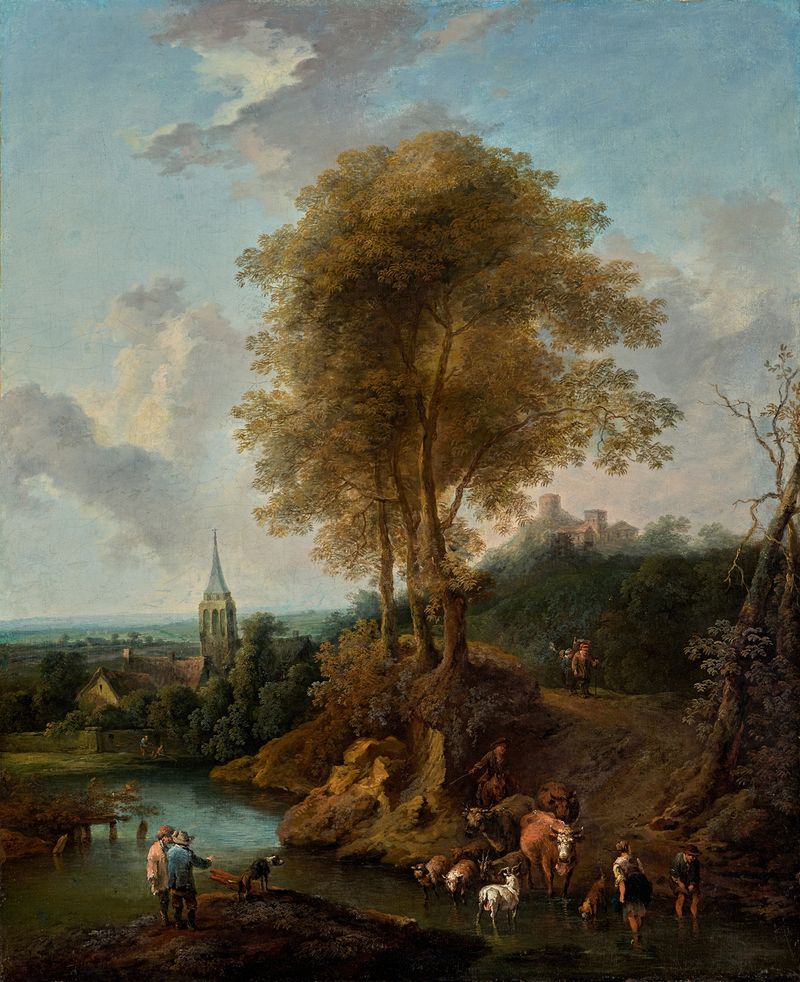
Landschaft mit drei Bäumen und Kirche
Christian Hilfgott Brand

Landscape
Christian Hilfgott Brand
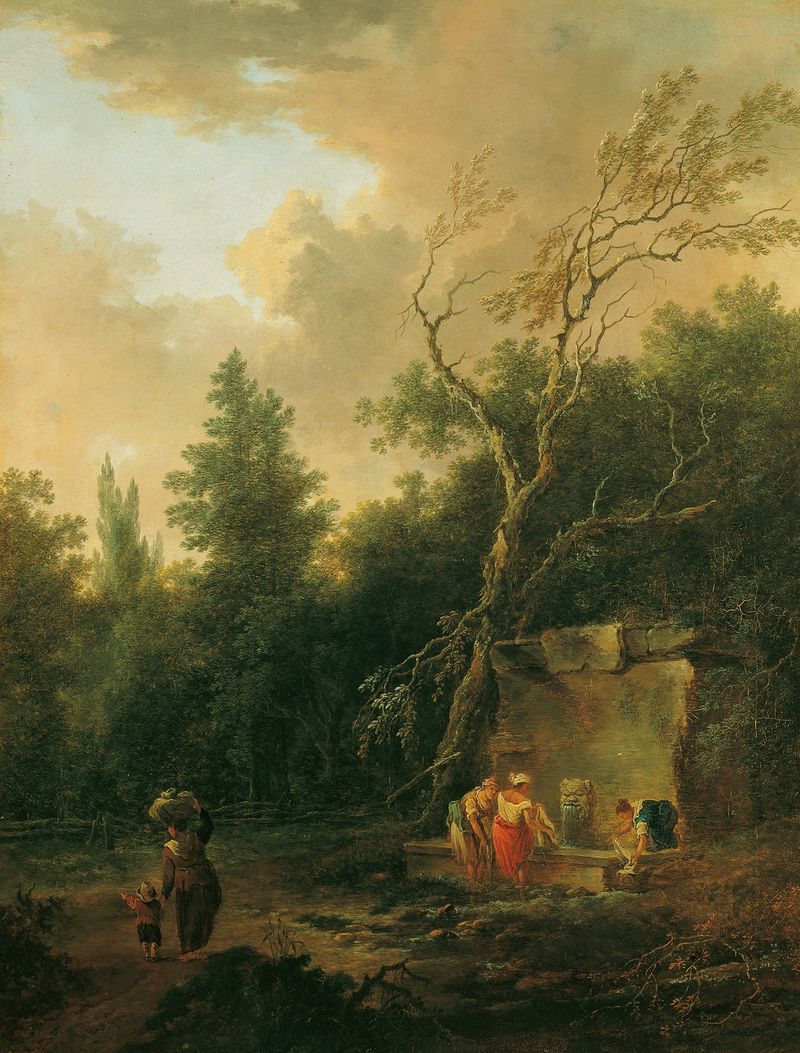
Baumlandschaft mit Brunnen
Christian Hilfgott Brand
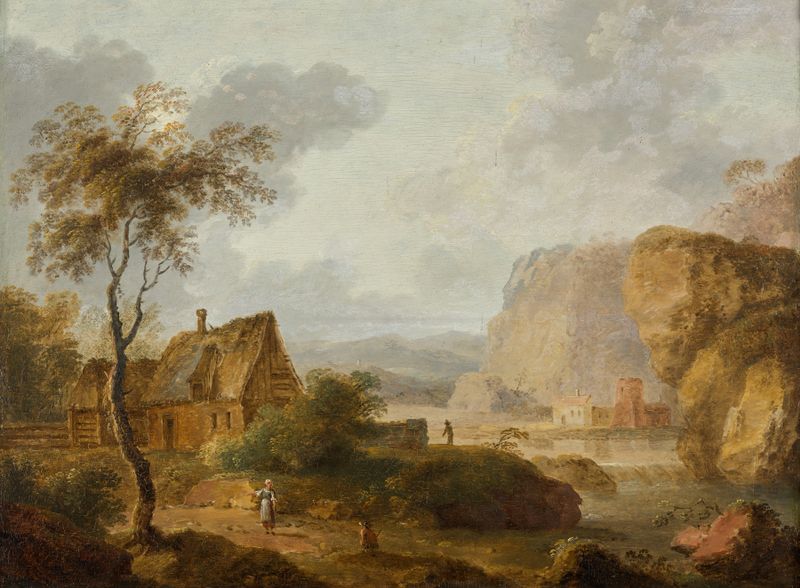
Gebirgslandschaft mit Fluss und Bauernhof.
Christian Hilfgott Brand

Landschaft mit Staffage
Christian Hilfgott Brand

Gebirgslandschaft mit Fluss und Bauernhof
Christian Hilfgott Brand

Landschaft mit Schlossruine und Pferdewagen
Christian Hilfgott Brand

Landschaft mit Postament
Christian Hilfgott Brand

Landschaft mit Säule
Christian Hilfgott Brand
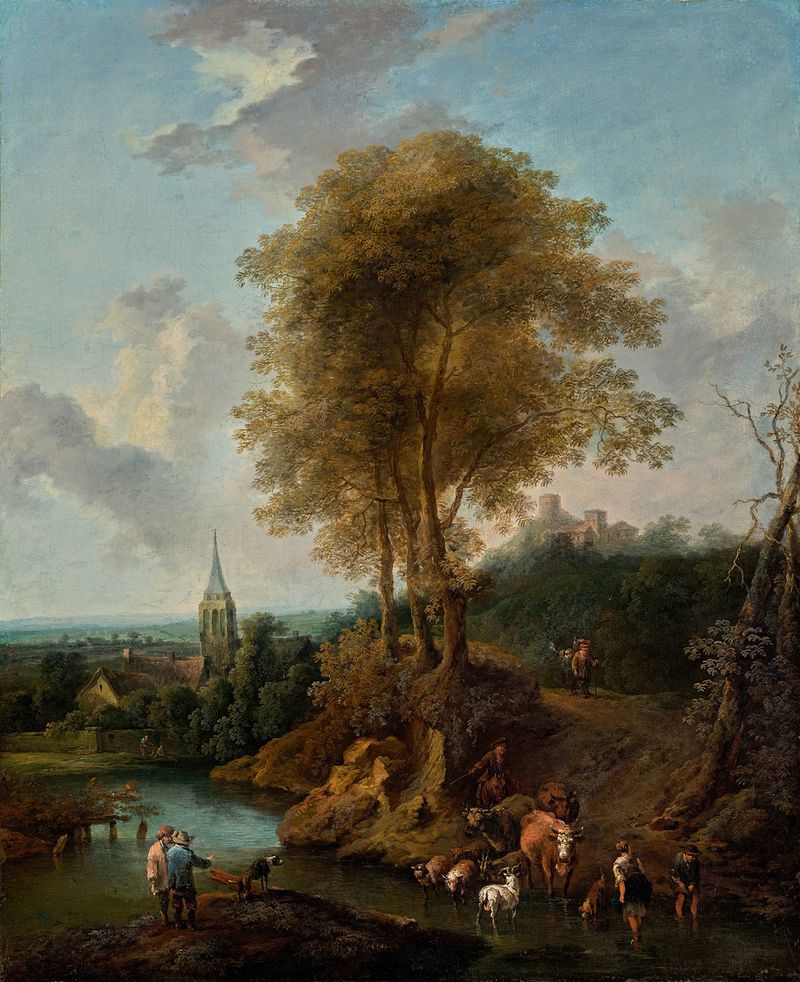
Landschaft mit drei Bäumen und Kirche
Christian Hilfgott Brand





