Waldstudie — History & Facts
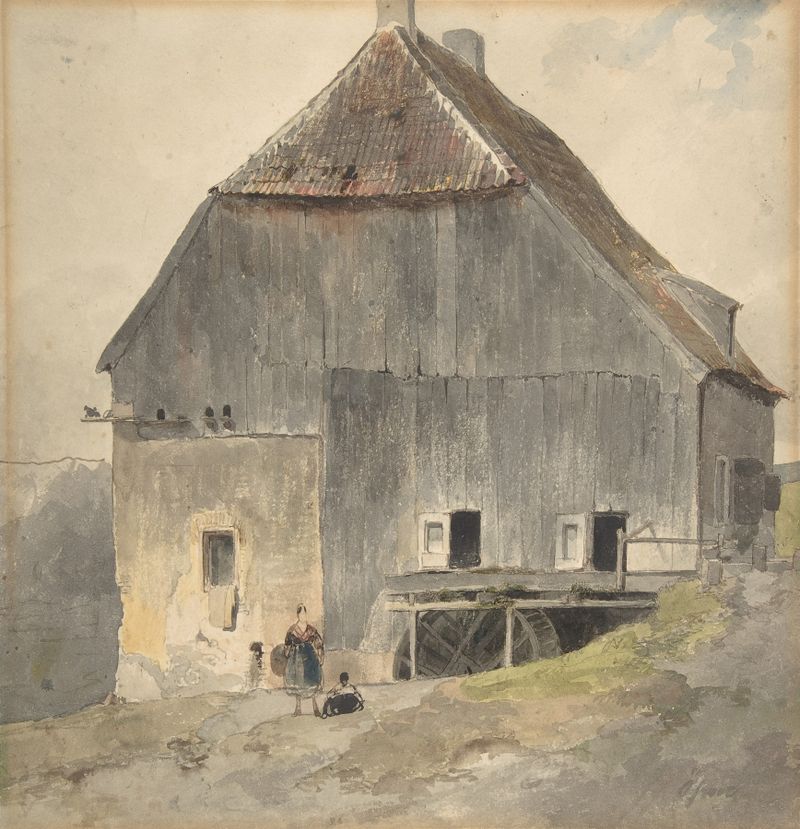
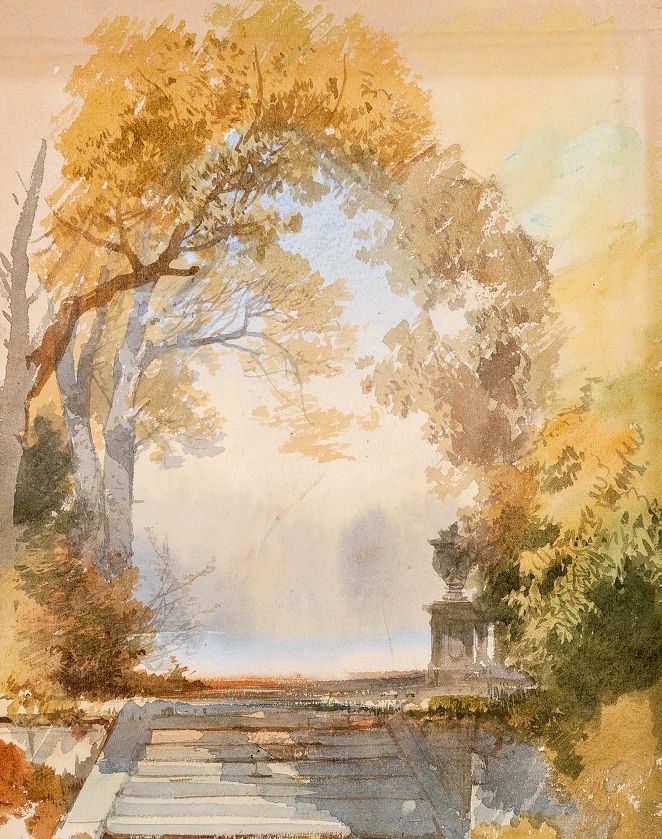
In a hurried existence where chaos often drowns the whisper of tranquility, balance becomes a rare treasure, urging us to pause. Look closely at the serene expanse of Waldstudie. Your gaze should begin at the tranquil center, where the lush greens of the trees converge, drawing your attention inward. The gentle brushstrokes create a rhythmic dance of leaves, while soft light filters through the canopy, casting dappled shadows on the forest floor.
The interplay of rich greens and muted earth tones not only reflects the vitality of nature but evokes a sense of peace, placing the viewer amidst this serene woodland retreat. Yet beyond the surface lies a profound tension between chaos and harmony. Notice how the darker patches in the foliage contrast with the lighter backgrounds, suggesting the hidden struggles within nature. Each rugged tree trunk, etched with character, hints at resilience, while the soft, sweeping lines of the foliage invite us to experience the ephemeral.
This delicate balance mirrors the human condition, celebrating both turmoil and tranquility, pushing us to contemplate our own place in this intricate web of life. The artist painted Waldstudie during a time of introspection, possibly in the early years of the 20th century, when the world was rife with change and uncertainty. Oehme, steeped in the Romantic tradition, sought solace in the natural world, reflecting a longing for stability amidst the turbulence of modernity. In this work, he channels not just a landscape but a moment of stillness, offering viewers a sanctuary for contemplation.