
Wapen met een haan op een schild — History & Facts
Could a single brushstroke hold eternity? In the stark simplicity of a coat of arms, the weight of history and identity hangs heavy in the air, beckoning the viewer to explore the void that surrounds it. Look to the center, where the vibrant red rooster boldly stands atop the shield, its feathers meticulously rendered with a precision that draws the eye. The contrasting colors of the coat—a deep blue backdrop and the golden accents—further enhance the symbol's significance. Notice how the intricate detailing of the shield’s frame, adorned with delicate motifs, serves not only as a boundary but also as a reminder of the legacy it represents.
Each curve and line seems to whisper stories of valor and heritage, inviting contemplation. Yet beneath this bold emblem lies a profound emptiness, an absence of the narratives that once thrived within these heraldic designs. The rooster, a symbol of vigilance, stands solitary, highlighting the tension between strength and isolation. This work resonates with the fragility of memory, as the vibrant colors serve to illuminate the void left by time's passage, a stark reminder of what was and what can no longer be grasped.
The contrast between the lively colors and the stark emptiness of the surrounding space intensifies this emotional depth. In 1543, the artist created this painting during a period marked by the rise of the Northern Renaissance and a growing interest in detailed realism. Beham, a prominent figure in the Nuremberg art scene, was exploring the complexities of identity and cultural legacy through his work, reflecting the societal shifts of his time. This piece encapsulates not just personal but collective histories, serving as a poignant reminder of the emptiness that often accompanies the passage of time.
More Artworks by Hans Sebald Beham
Browse all →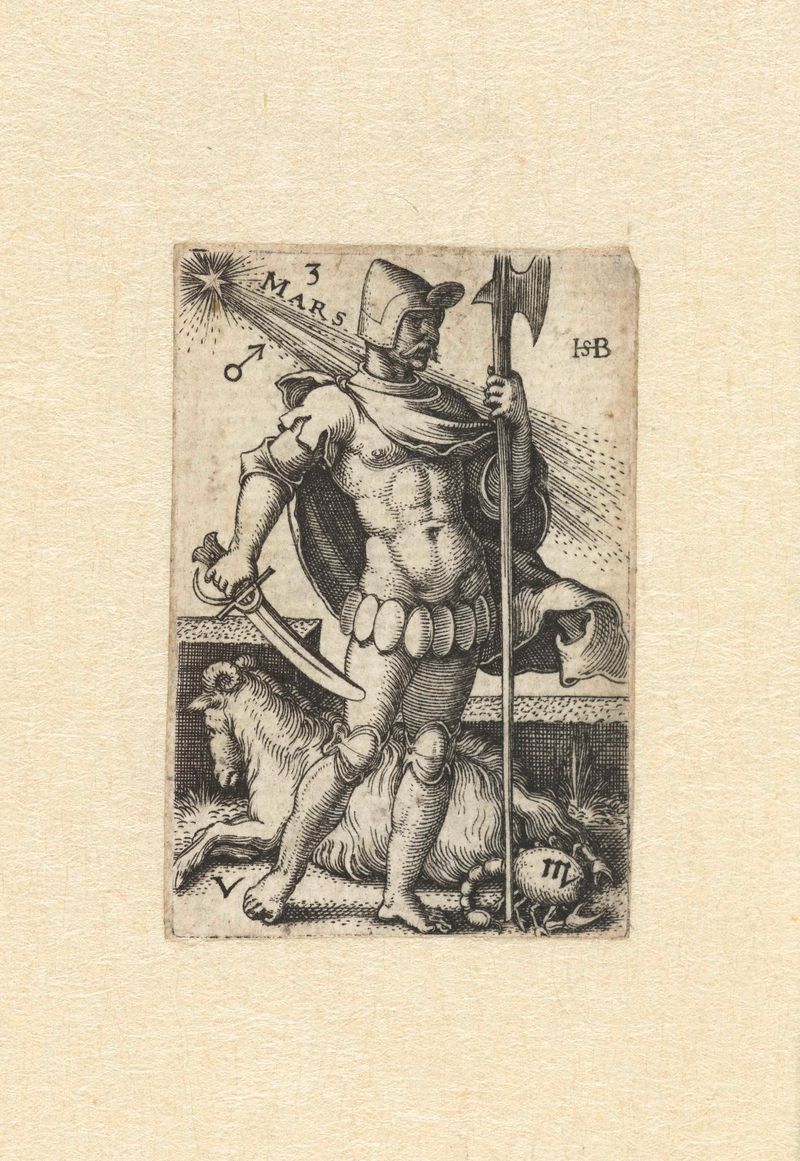
Mars met sterrenbeelden Ram en Schorpioen
Hans Sebald Beham

Achilles in gevecht met Hector
Hans Sebald Beham
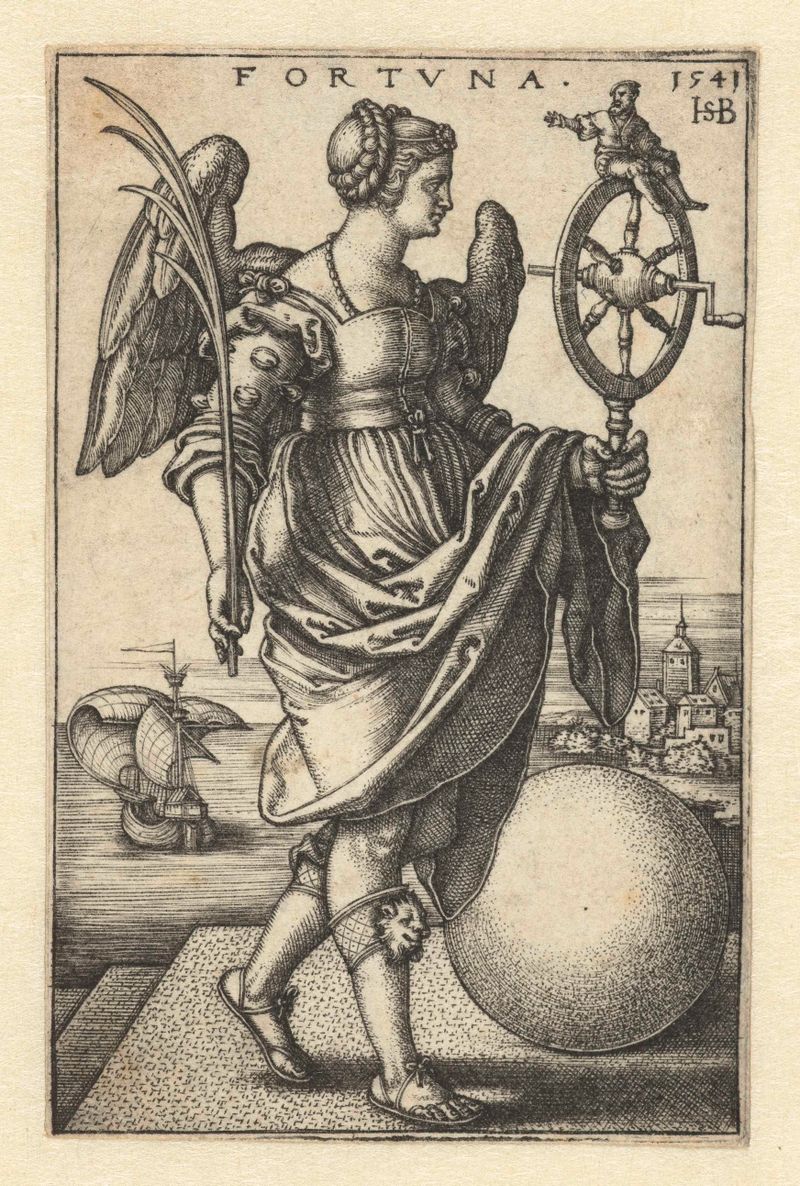
Fortuna
Hans Sebald Beham

Hercules worstelt met Antaeus
Hans Sebald Beham

Twee muzikanten met schalmey en doedelzak
Hans Sebald Beham

Voorzichtigheid (Prudentia)
Hans Sebald Beham

Hercules in gevecht met de Trojanen
Hans Sebald Beham
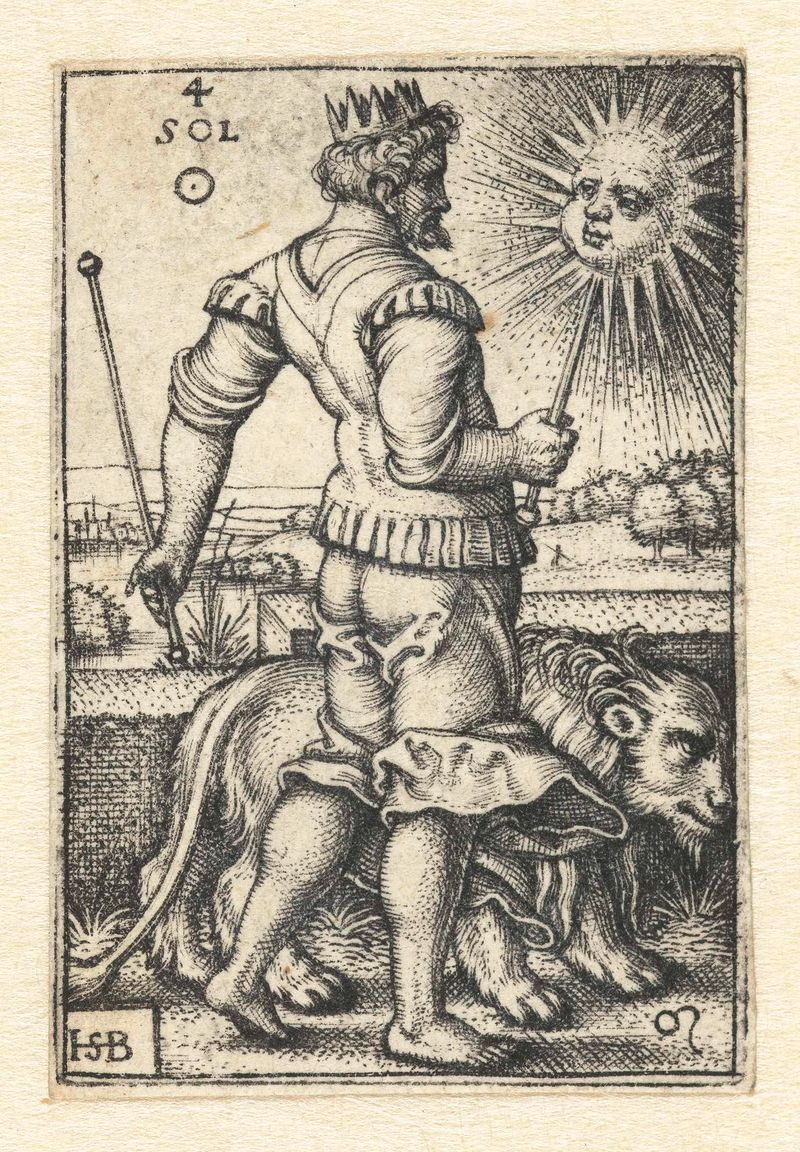
Apollo (Sol) met sterrenbeeld Leeuw
Hans Sebald Beham
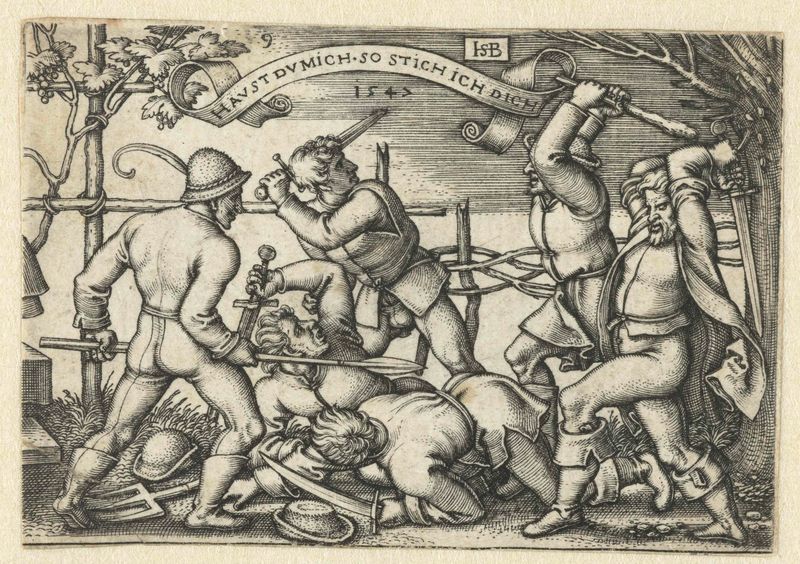
Vechtende boeren met zwaarden
Hans Sebald Beham
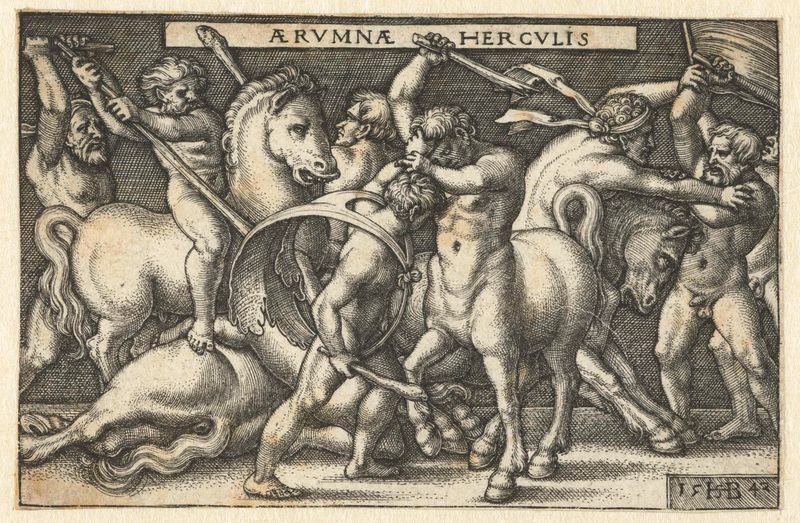
Hercules in gevecht met centaurs
Hans Sebald Beham
More Historical Art
Browse all →
The Night Watch Militia Company of District II under the Command of Captain Frans Banninck Cocq
Rembrandt van Rijn

Lincoln Memorial
Henry Bacon

The Third of May 1808
Francisco de Goya

Isaac and Rebecca, Known as ‘The Jewish Bride’
Rembrandt van Rijn

The Charge of the Mamelukes (1814)
Francisco de Goya

De vier ruiters van de apocalyps
Albrecht Dürer