
Wapenschild met de Arma Christi — History & Facts
Where does light end, and longing begin? In the delicate brushstrokes of the late 15th century, a whisper of rebirth unfolds, inviting contemplation on faith and sacrifice. Look closely at the intricate details of the central shield, where the vivid colors of reds, blues, and golds converge. The meticulously painted Arma Christi — symbols of Christ’s passion — command your gaze, encircled by a rich tapestry of foliage and ornate flourishes. Notice how the dappled light caresses the surfaces, creating depth that transcends the flatness of the canvas.
Each element is arranged with precision, directing the viewer’s eye to the poignant narrative at the heart of this work. Within the radiant shield, an interplay of light and shadow reveals a tension between the earthly and the divine. The contrasting textures of the ornate frame and the soft colors evoke a sense of longing, suggesting the presence of hope amid suffering. This complex arrangement invites us to ponder the profound significance of the symbols depicted — not merely objects, but carriers of deeper meaning, reflecting humanity’s quest for redemption and connection with the sacred. Created between 1475 and 1480, the artist worked during a period marked by the flourishing of Northern Renaissance art, characterized by intricate detail and a focus on symbolic meaning.
Based in the Netherlands, the painter was influenced by the burgeoning interest in religious iconography, as well as the rising prominence of individual expression in art. This piece encapsulates the spiritual atmosphere of the time, bridging the gap between earthly existence and the promise of eternal life.
More Artworks by Meester van het Amsterdamse Kabinet
Browse all →
De Heilige Familie bij de rozenstruik
Meester van het Amsterdamse Kabinet

Hertenjacht
Meester van het Amsterdamse Kabinet
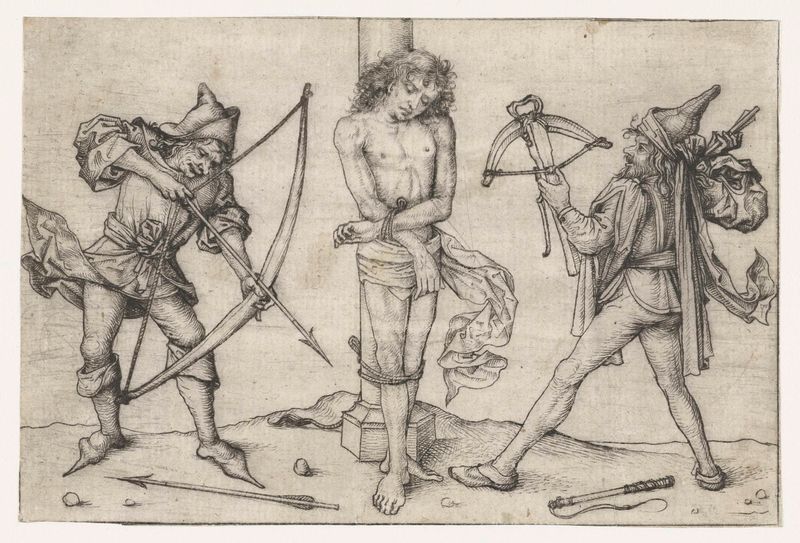
Heilige Sebastiaan met boogschutters
Meester van het Amsterdamse Kabinet

Het lichaam van Christus ondersteund door twee engelen
Meester van het Amsterdamse Kabinet

Heilige Anna-te-Drieën
Meester van het Amsterdamse Kabinet

Heilige Barbara (grote versie)
Meester van het Amsterdamse Kabinet
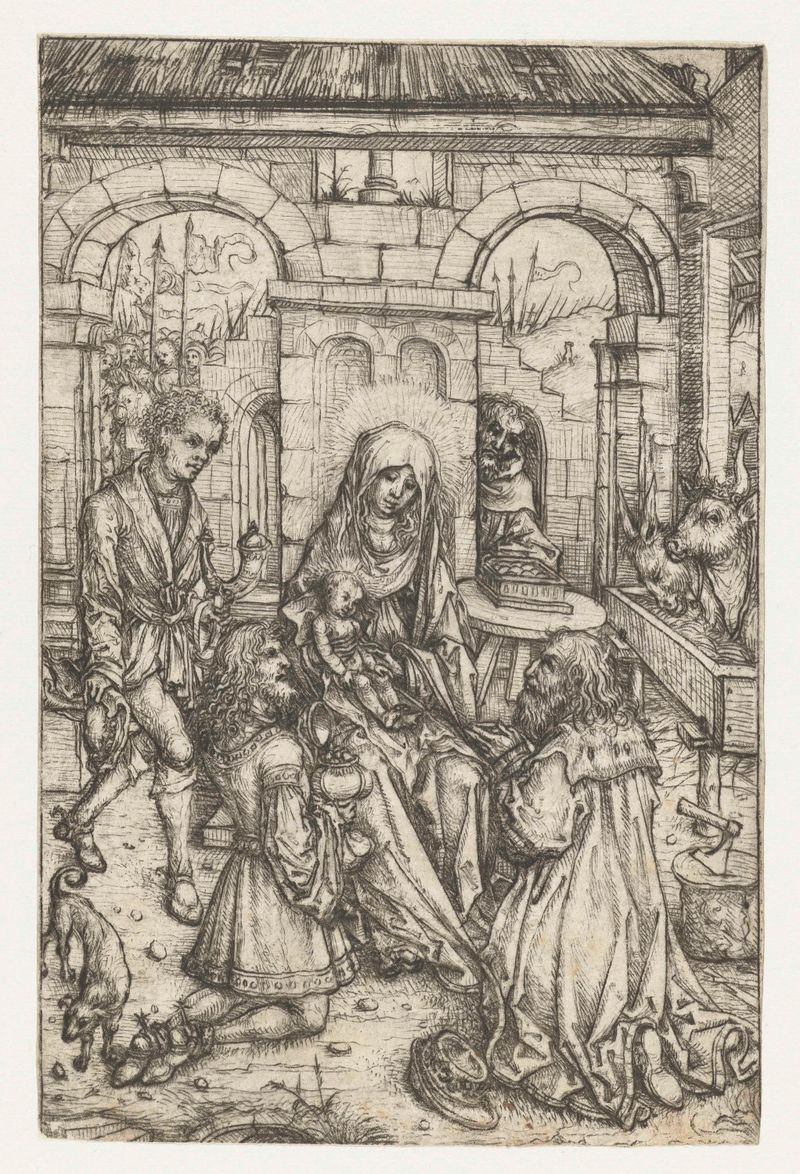
Aanbidding der koningen
Meester van het Amsterdamse Kabinet
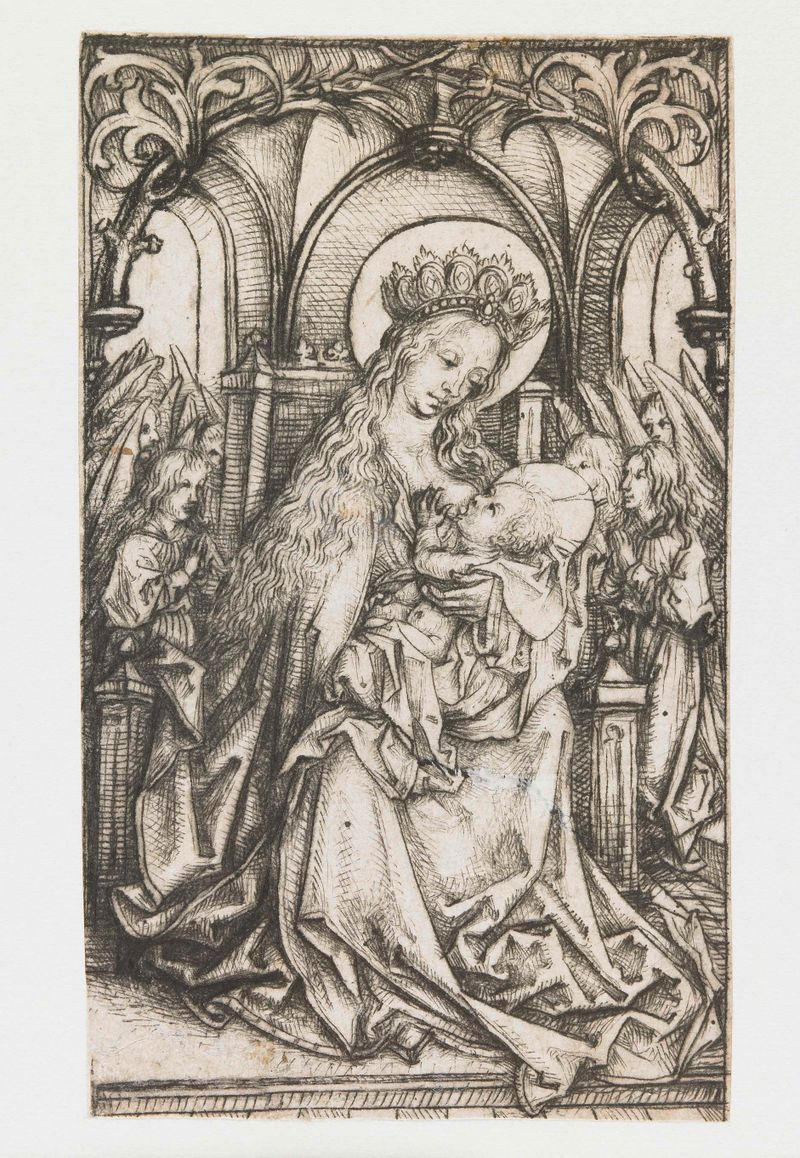
Tronende Madonna door engelen aanbeden
Meester van het Amsterdamse Kabinet

Het zegenend Christuskind
Meester van het Amsterdamse Kabinet
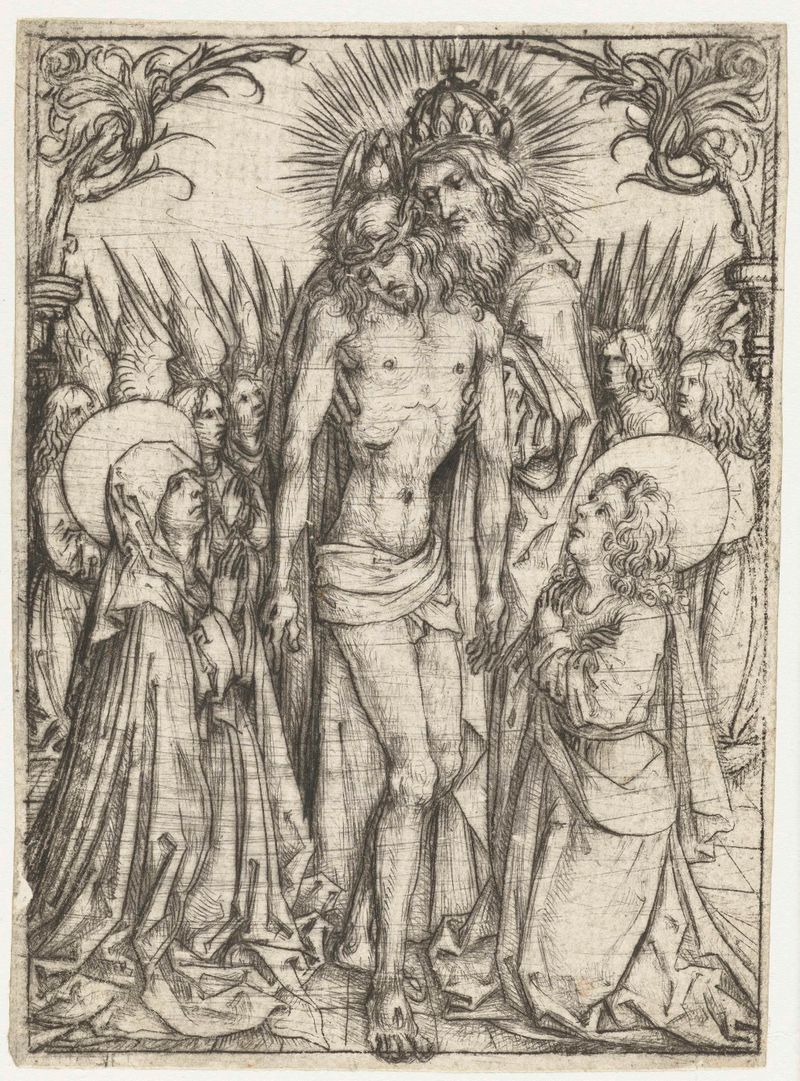
Aanbidding van de Heilige Drieëenheid door Maria, Johannes de Evangelist en engelen
Meester van het Amsterdamse Kabinet
More Religious Art
Browse all →
The Return of the Prodigal Son
Rembrandt van Rijn

The Garden of Earthly Delights
El Bosco

Count Orgaz’ funeral
El Greco

The Hundred Guilder Print: the central piece with Christ preaching, the plate arched
Rembrandt van Rijn

The Descent from the Cross
Rogier van der Weyden

The return of the prodigal son
Rembrandt van Rijn