
Washerwomen by the River — History & Facts
The interplay of life and loss lingers in the delicate balance of existence, a haunting reminder of our mortality. Look to the left at the gentle curve of the riverbank, where figures bend over their labor, their forms almost merging with the water’s surface. The brushstrokes are fluid, mimicking the ripples of the river, evoking a sense of rhythm in the scene. Notice how the sunlight dapples across their backs, illuminating the laborers’ toil with a golden hue that contrasts with the darker tones of the riverbed.
This composition draws the eye inward, inviting contemplation on the juxtaposition of nature’s beauty against the grueling reality of their work. Peering closely, we uncover layers of meaning within the women’s expressions—there's a quiet resilience mingled with the weight of exhaustion. The water symbolizes both life and the ephemeral nature of existence, as the river flows onward, indifferent to the struggles witnessed on its banks. Each figure, while engaged in the monotonous act of washing, carries an unspoken narrative; their hands, rough and weathered, speak of labor and survival, while the pristine water flows beneath, a metaphor for the fleeting moments of joy amid hardship. In the years surrounding its creation, August Schaeffer von Wienwald found himself immersed in the artistic milieu of 19th-century Europe, a time marked by dramatic social changes and a growing interest in realism.
The serene yet poignant Washerwomen by the River reflects a shift towards capturing everyday life, as he aimed to portray not just the beauty of nature but the profound human experience intertwined within it.
More Artworks by August Schaeffer von Wienwald
Browse all →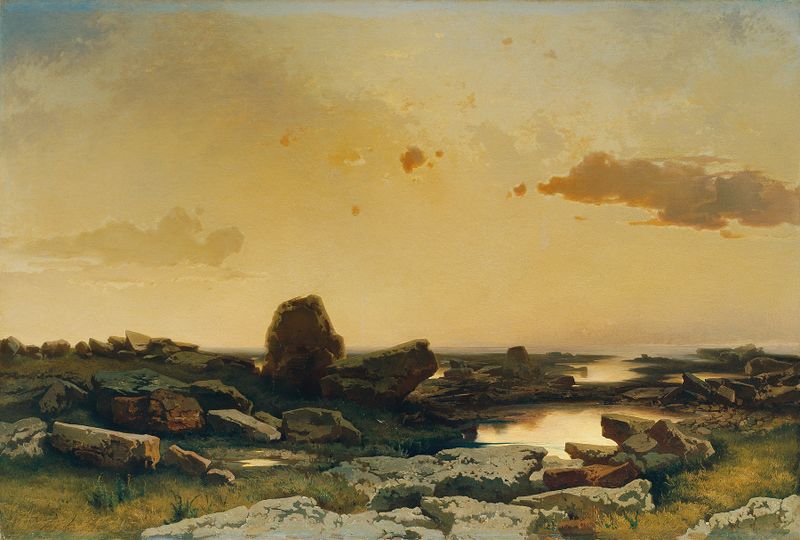
Helgoland
August Schaeffer von Wienwald
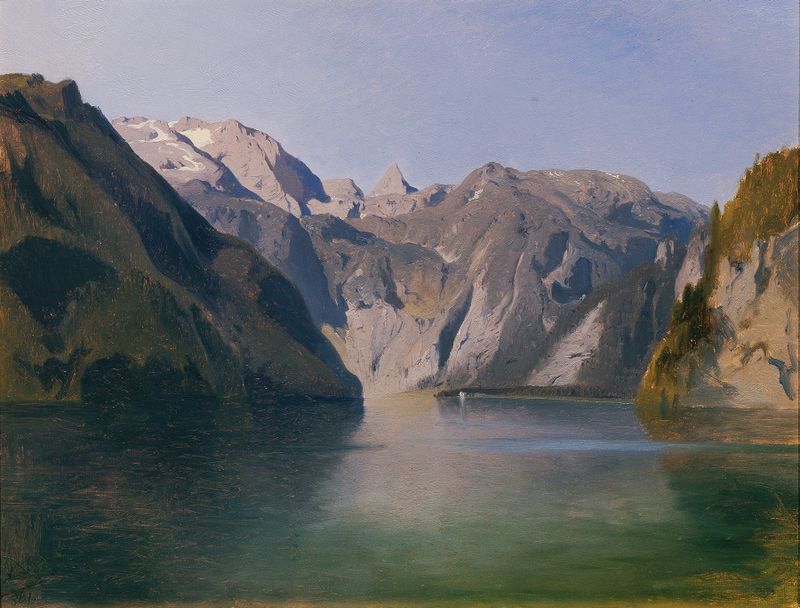
Blick über den Königssee
August Schaeffer von Wienwald
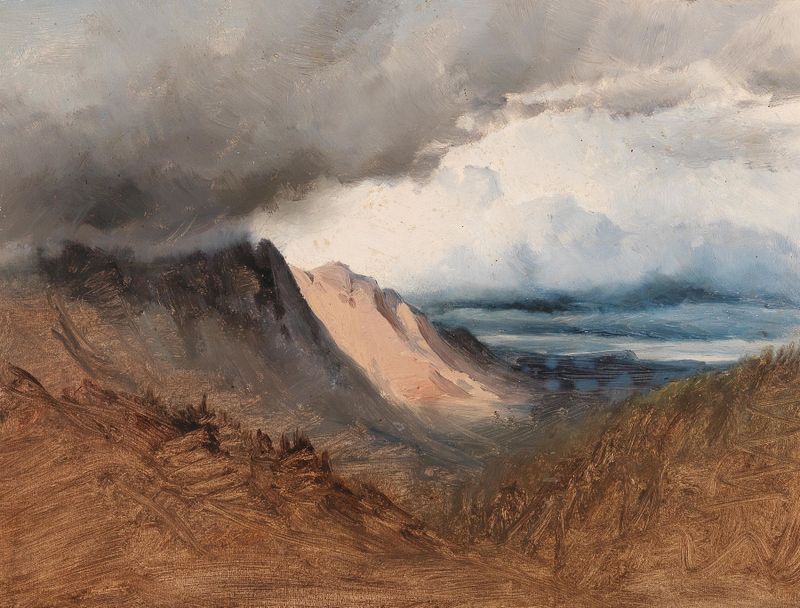
The Gosaukamm Mountain Massif
August Schaeffer von Wienwald
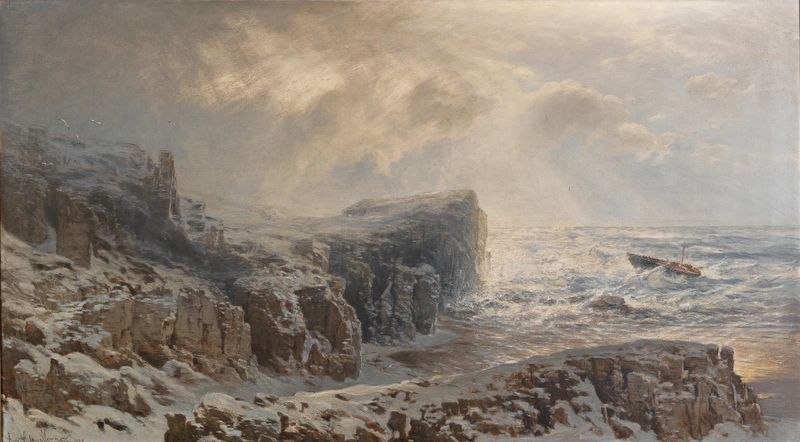
Schneesturm an einer nordischen Küste
August Schaeffer von Wienwald
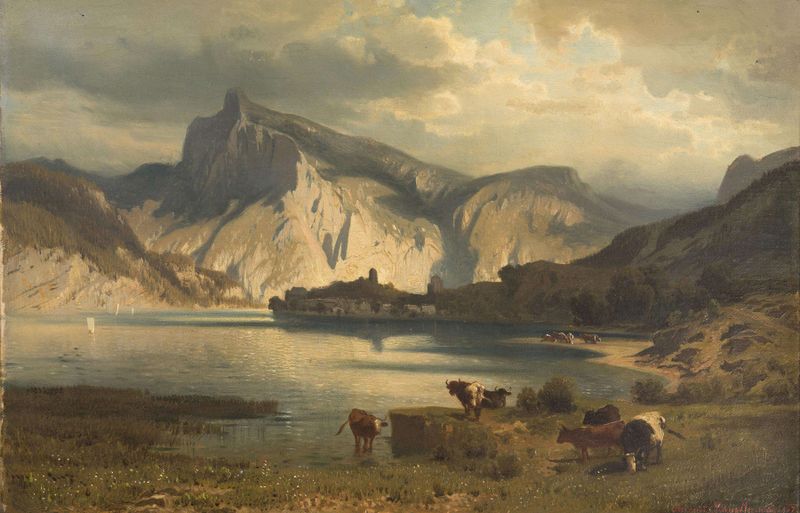
Landscape with a Lake
August Schaeffer von Wienwald
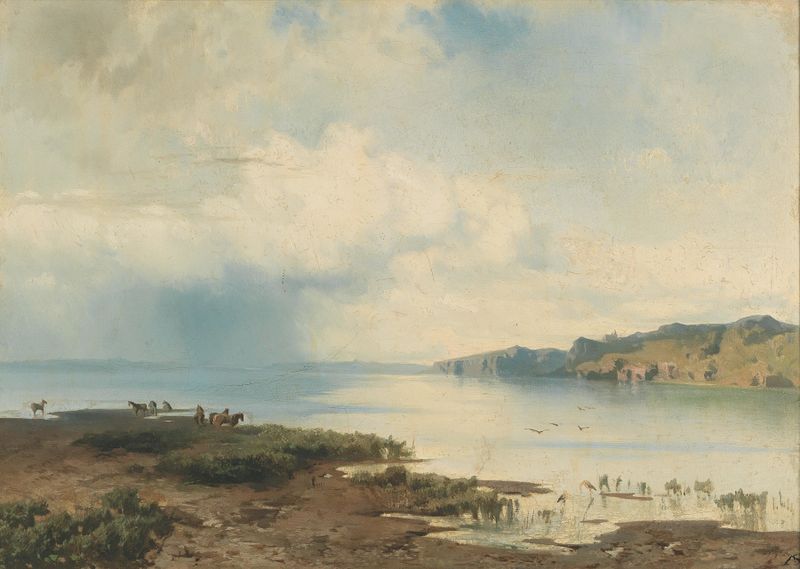
Pferde an der Küste
August Schaeffer von Wienwald
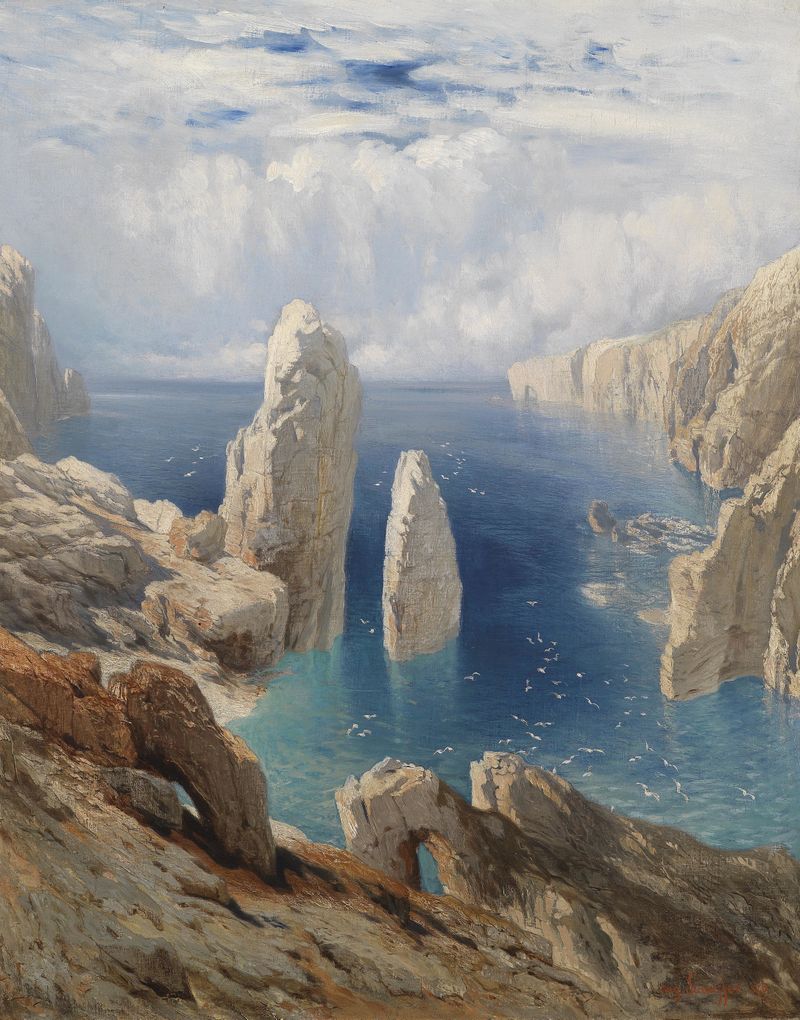
Steilküste
August Schaeffer von Wienwald
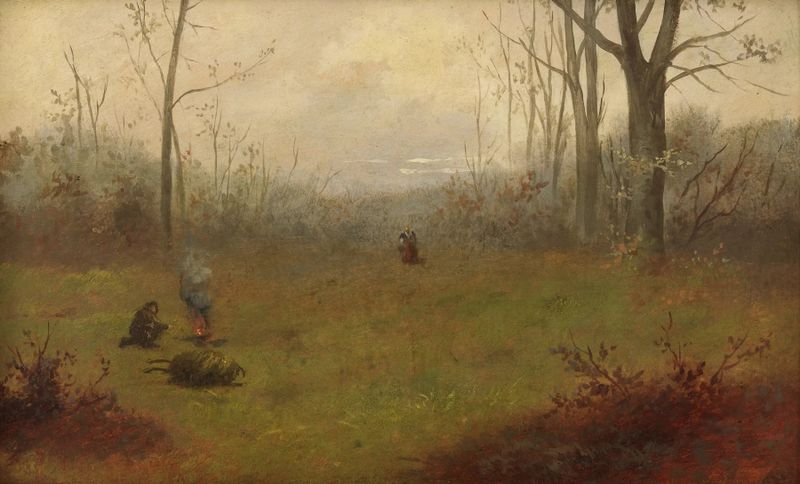
Herbstlandschaft
August Schaeffer von Wienwald
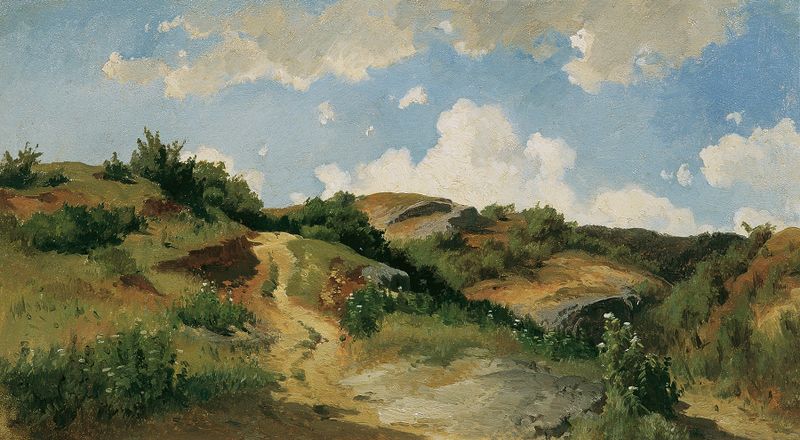
Ungarische Landschaft
August Schaeffer von Wienwald
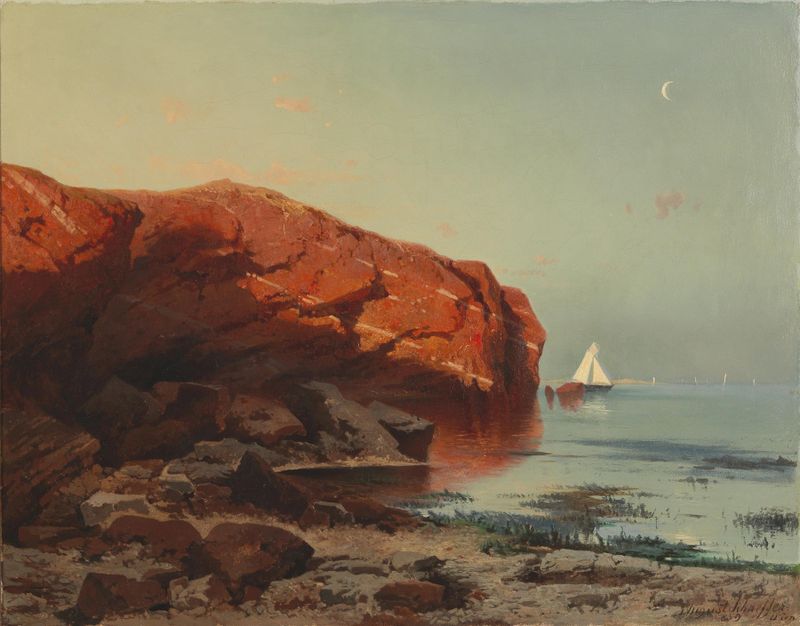
Motiv aus Helgoland
August Schaeffer von Wienwald





