Wassende vrouwen in een open hal van een huizencomplex aan het water — History & Facts
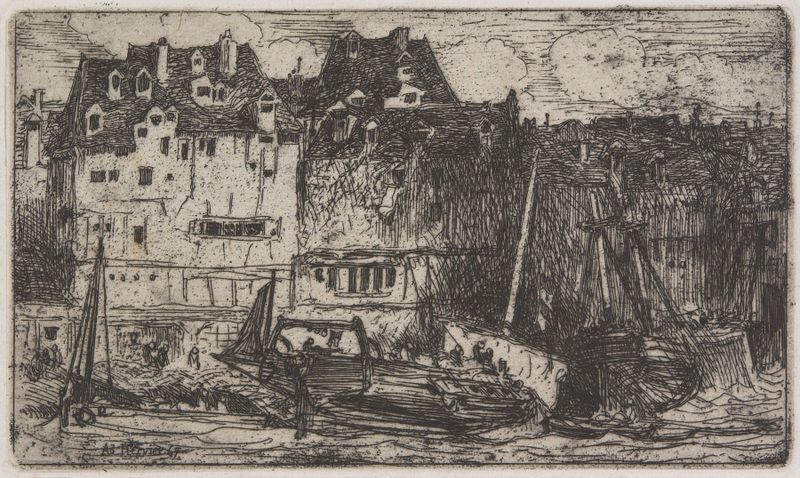
In the embrace of the mundane, there lies a pulse of ecstasy, waiting to be unveiled. Focus on the vibrancy radiating from the central figures, their bodies poised in a celebration of life. The soft hues of their garments contrast with the cool, muted colors of the architectural backdrop, commanding attention. Notice how the light filters through the open hall, illuminating faces that carry stories of joy and struggle.
Each detail, from the gentle ripples in the water to the slight sway of fabric, hints at the vibrancy of everyday existence. Yet, beneath this surface of harmony, there lurks an undercurrent of tension. The juxtaposition of the serene water and the bustling figures reveals the balance of nature and human endeavor. The women, caught between domesticity and the freedom of the open air, embody a dynamic movement toward liberation.
Their expressions, a mix of determination and fleeting happiness, mirror the complexities of their time, suggesting a yearning for both connection and independence. Created during a transformative period in France, this work emerged while Louis-Adolphe Hervier navigated the shifting tides of Romanticism and Realism. From 1828 to 1879, the artist lived through revolutionary fervor and burgeoning modernity, influencing his depictions of daily life. The water's serene invitation and the vibrant energy of these women reflect a society on the cusp of change, caught in the delicate balance between old traditions and new freedoms.