
Wassermühle am tosenden Gebirgsbach — History & Facts
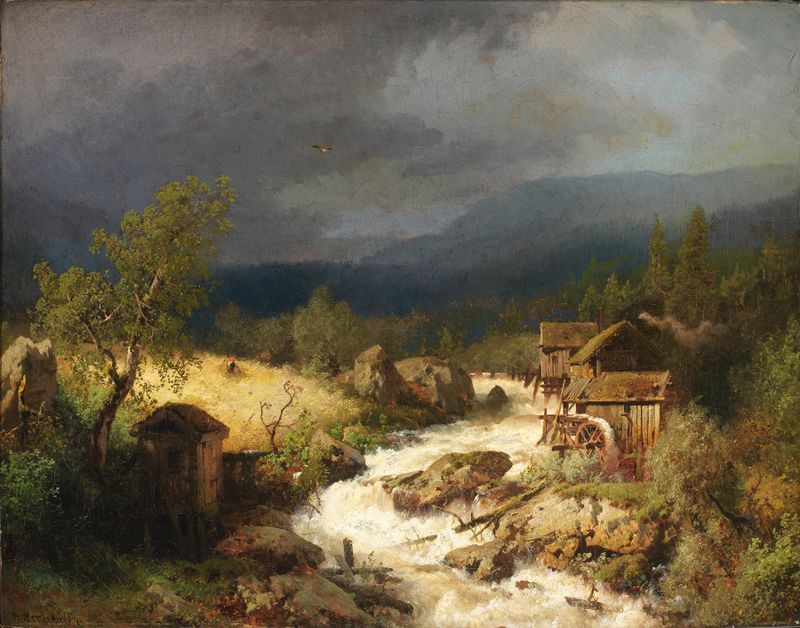
In the tranquil yet profound expanse of Wassermühle am tosenden Gebirgsbach, a quiet void resonates, inviting introspection amidst the chaos of nature. The painting offers a moment suspended in time, where the force of the rushing water contrasts dramatically with the stillness of the mill, evoking a sense of both peace and urgency. Look to the left at the sturdy structure of the watermill, its weathered wood and stone harmonizing with the surrounding rugged landscape. Notice how the play of light captures the shimmering surface of the river, highlighting the frothy white cascades that rush vigorously past the mill’s foundation.
The soft greens of the trees and the earthy browns of the path create a palette that grounds the scene in realism, while the energetic brushstrokes convey the dynamic movement of water, imbuing the work with a palpable vitality. Within this image lies a narrative of contrast: the relentless power of nature juxtaposed with human craftsmanship. The mill, a symbol of industriousness, stands resolutely against the tumultuous water, suggesting a delicate balance between human endeavor and the forces of the wild. The enveloping silence amplifies the dialogue between stillness and motion, where every droplet that splashes recalls the unseen narratives that flow through the landscape, whispering secrets of resilience and transience. Created in 1870 during a period of great transformation in both Europe and the art world, the artist was exploring the Romantic ideals of nature and humanity’s relationship to it.
This work emerged from his time spent in the German countryside, where he sought to capture the essence of the sublime through landscapes, deeply influenced by the evolving techniques of plein air painting that emphasized direct observation of nature.
More Artworks by Hermann Ottomar Herzog
Browse all →
Snow-Capped Peaks
Hermann Ottomar Herzog
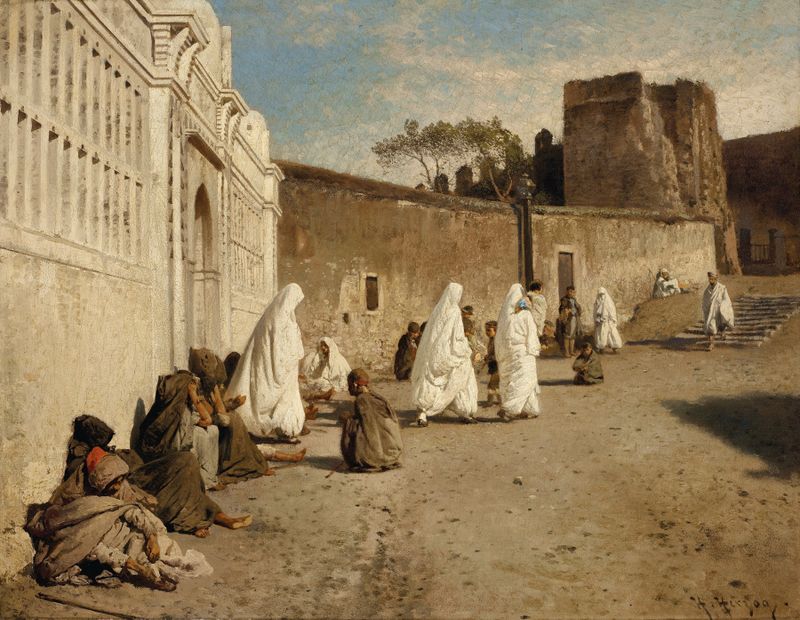
Entrance into the Alhambra, Spain
Hermann Ottomar Herzog

Hafen in Ostende
Hermann Ottomar Herzog
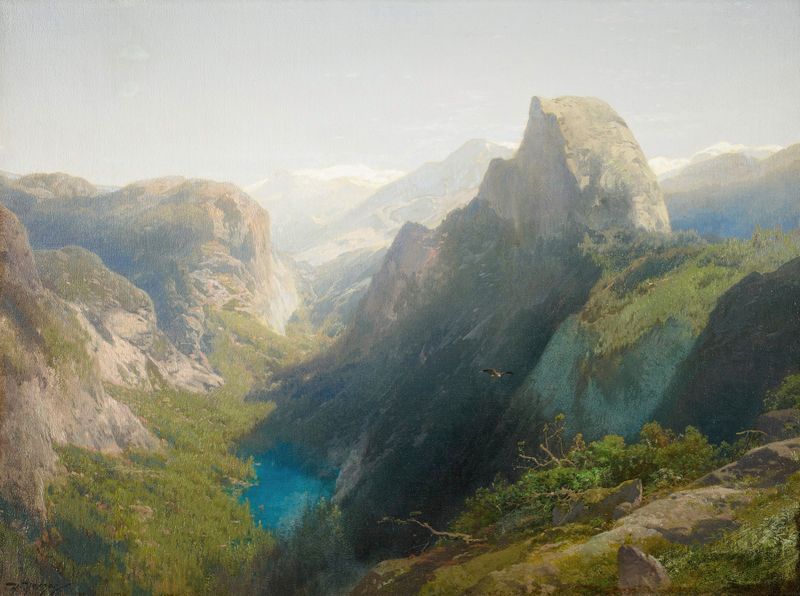
Mirror Lake, Yosemite
Hermann Ottomar Herzog
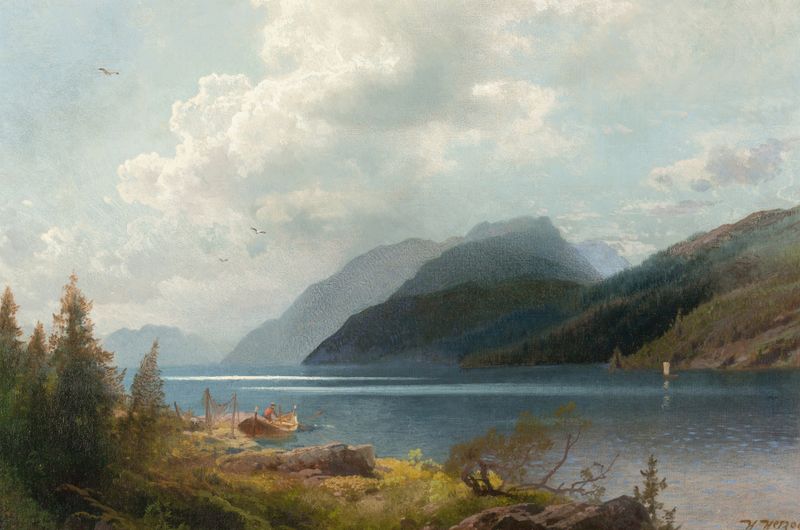
Mountain Lake, Sagne Fjord, Norway
Hermann Ottomar Herzog
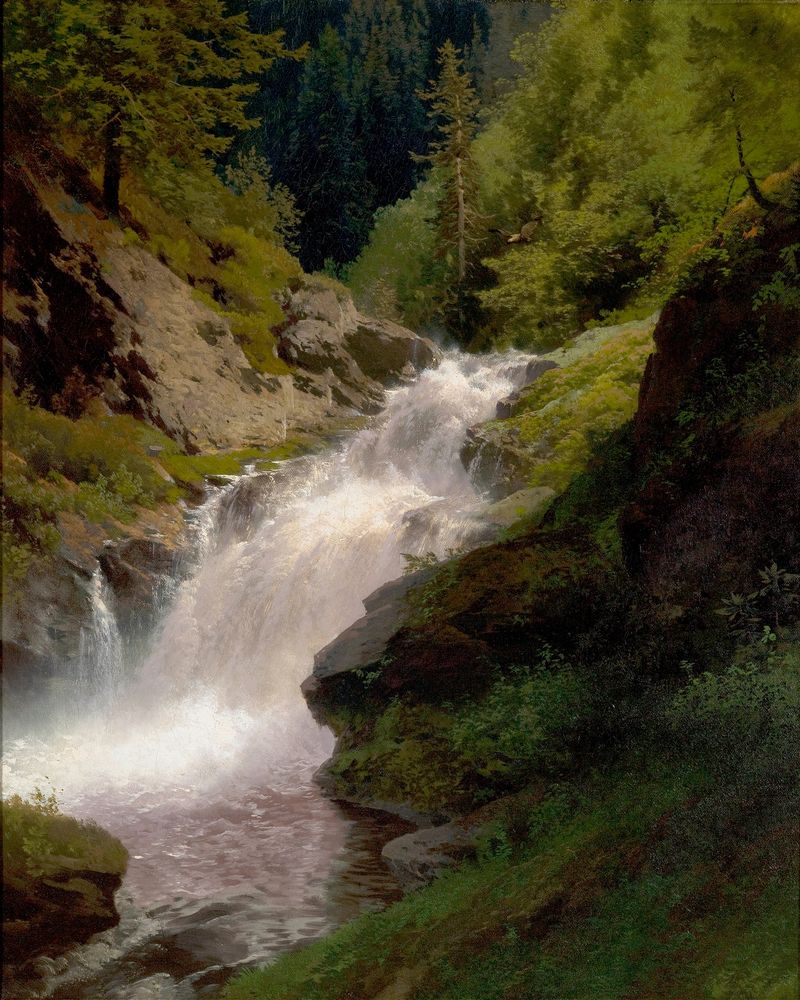
Winona Falls
Hermann Ottomar Herzog
A Moonlit Harbor
Hermann Ottomar Herzog
Mill on a Torrent
Hermann Ottomar Herzog

The Rippling River
Hermann Ottomar Herzog

Alpine Landscape Mountain Hut
Hermann Ottomar Herzog





