Water Fall at Powers Court — History & Facts
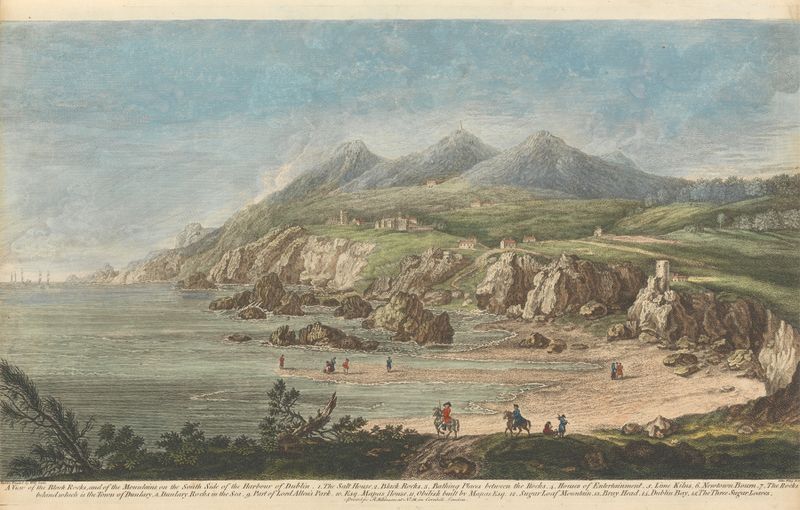
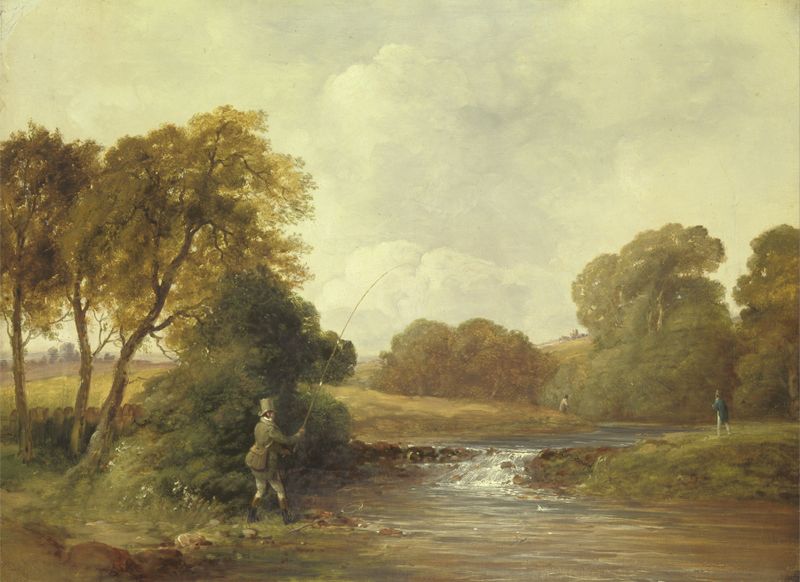
Could a single brushstroke hold eternity? In Water Fall at Powers Court, nature's relentless beauty is captured, inviting us to reflect on the delicate balance between life and decay. Look to the center, where the cascading water spills over the rocks, rich in blues and whites that evoke both motion and stillness. The artist skillfully employs light and shadow, allowing sunlight to dance on the water's surface, creating a shimmering effect that draws the eye. Notice how the lush greenery flanking the waterfall contrasts with the rugged stone, illustrating the tension between vibrant life and inevitable decay.
Each stroke feels deliberate, yet spontaneous, as if the scene could change with the shifting seasons. Beneath the surface, this painting speaks of transience and the passage of time. The water, a symbol of continual renewal, flows over the rough stones, hinting at the inevitable erosion of both nature and memory. The detailed foliage, vibrant yet on the brink of autumn, reflects the cycle of life, urging us to contemplate the fleeting moments that shape our existence.
Here, serenity coexists with a subtle reminder of decay, suggesting that beauty is often intertwined with impermanence. In 1744, while working on this piece, the artist was immersed in the picturesque movement, which sought to celebrate nature’s sublime beauty. Living in England, a time when landscape painting was gaining prominence, he crafted this work amidst a growing appreciation for the natural world, a shift that mirrored broader societal changes. It was an era that began to recognize the artist's role in interpreting the beauty and fragility of life, encapsulated poignantly in this exquisite landscape.