
Waterfall — History & Facts
Who listens when art speaks of silence? In Waterfall, the echoes of nature resonate with a profound beauty that transcends mere observation, inviting reflection and introspection. Look to the left, where a cascade of water tumbles gracefully down the rocks, capturing the viewer’s eye with its dynamic movement. Notice how the artist employs rich greens and deep blues to create a lush landscape, contrasting with the frothy whites of the water. This delicate interplay of color and texture not only captures the essence of the natural world but evokes the feeling of cool mist kissing one’s skin, as if the viewer is standing at the brink of this serene yet powerful scene. Delve deeper into the artwork, where the meticulous brushstrokes reveal an underlying tension between tranquility and force.
The gnarled roots of ancient trees cling precariously to the cliff's edge, symbolizing resilience amidst the torrents of nature. The waterfall itself acts as a metaphor for time—swift yet eternal—reminding us of the flow of life and the fleeting moments of beauty that punctuate our existence. Ferdinand Katona created Waterfall during a period of personal exploration between 1930 and 1932, as he sought to redefine his artistic voice amid the shifting landscapes of European art. This era was marked by a burgeoning appreciation for nature and emotional expression, reflecting the collective desire for solace in the chaos following World War I.
It is within this context that Katona’s work emerges as both a personal meditation and a broader commentary on humanity’s relationship with the natural world.
More Artworks by Ferdinand Katona
Browse all →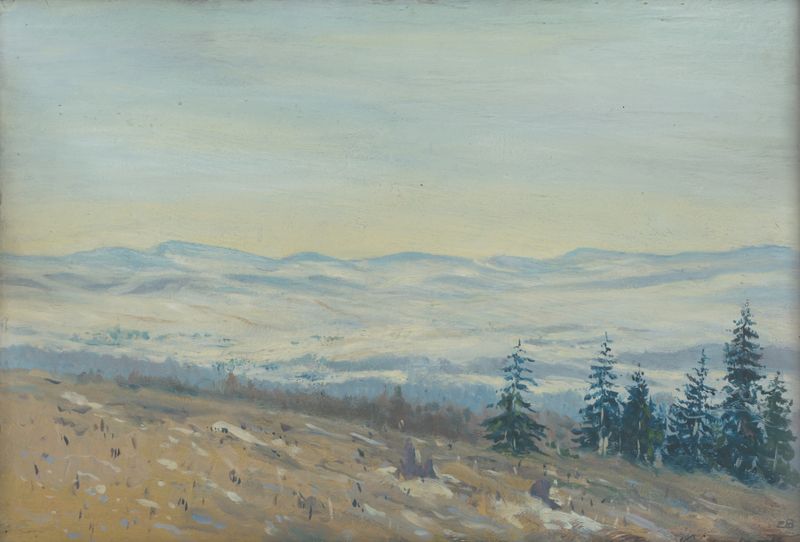
High Tatras
Ferdinand Katona
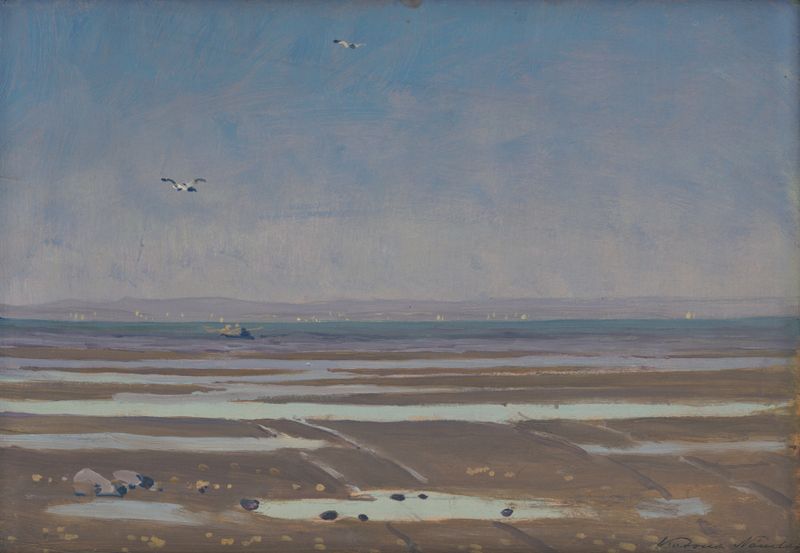
Early spring
Ferdinand Katona
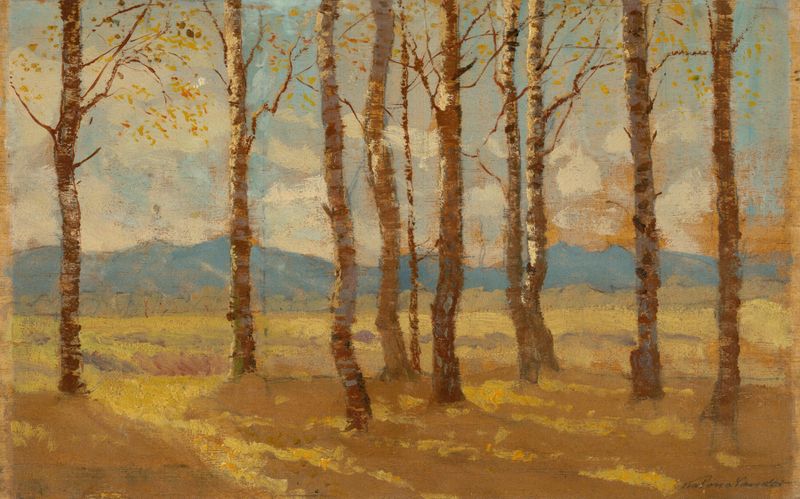
Birches in Autumn
Ferdinand Katona
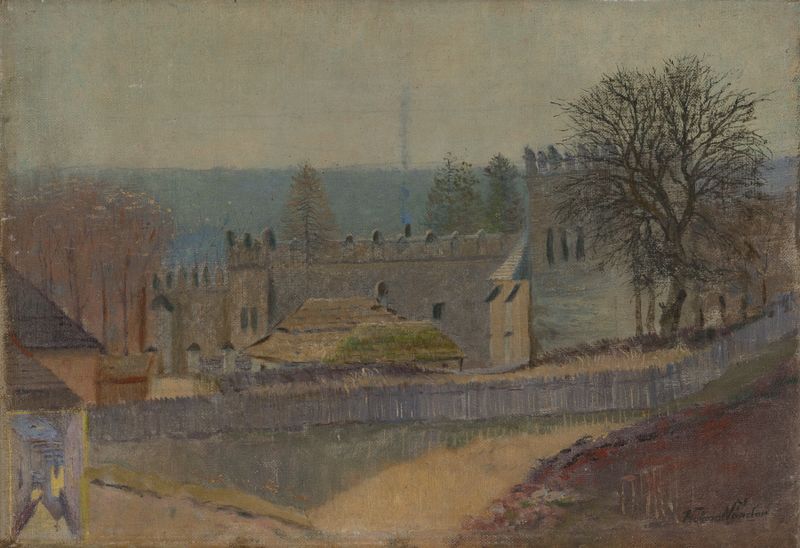
View of Strážky
Ferdinand Katona
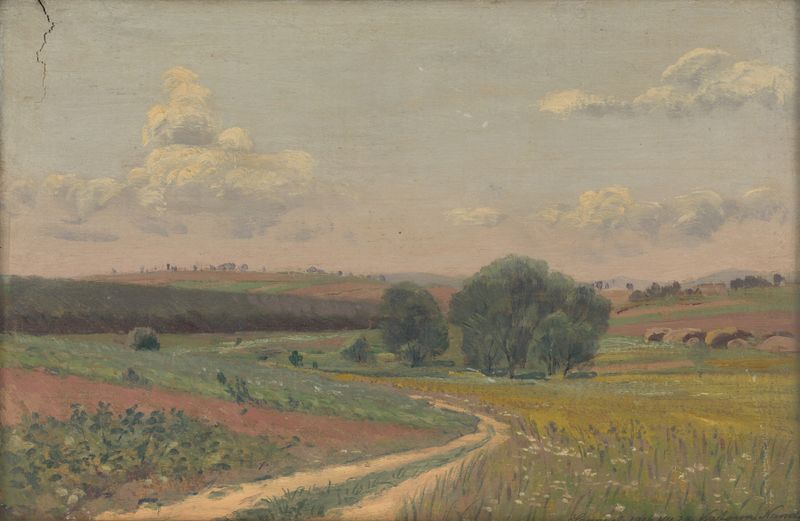
Landscape with a dirt road
Ferdinand Katona
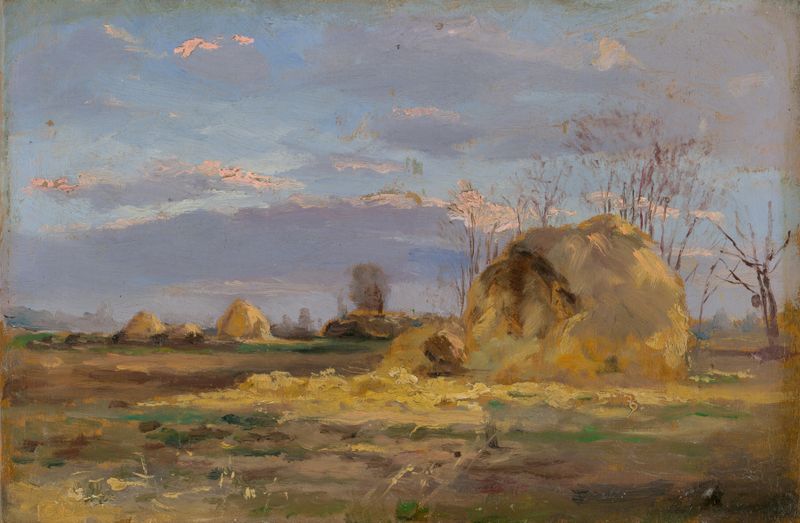
Autumn Landscape with Trees
Ferdinand Katona
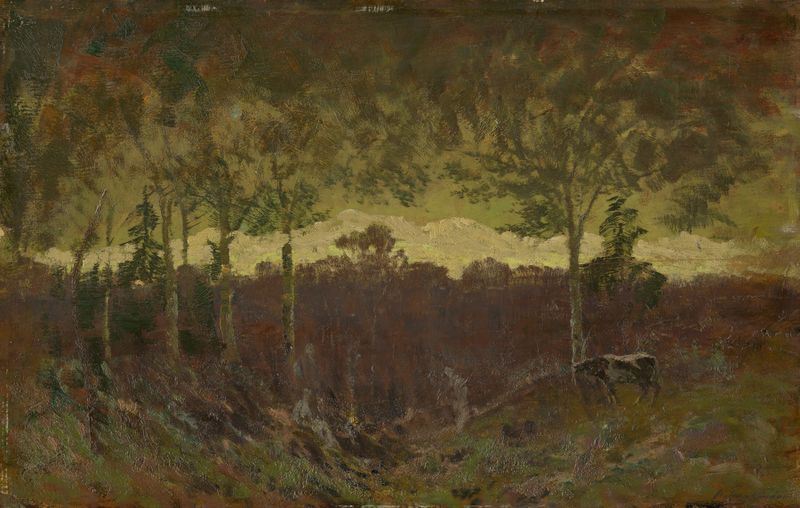
Early Evening Tatras Landscape
Ferdinand Katona
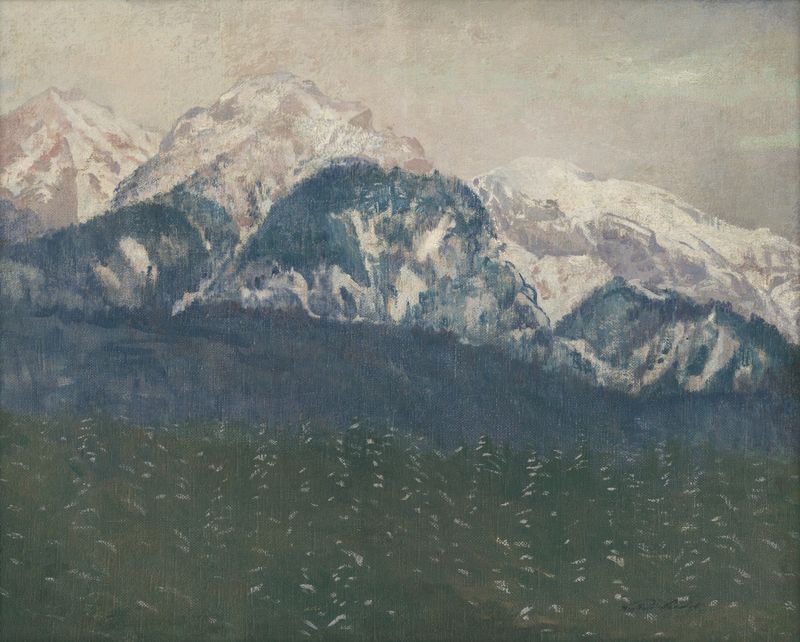
View of the High Tatras
Ferdinand Katona
Early Spring
Ferdinand Katona
Early Evening
Ferdinand Katona





