Early spring — History & Facts
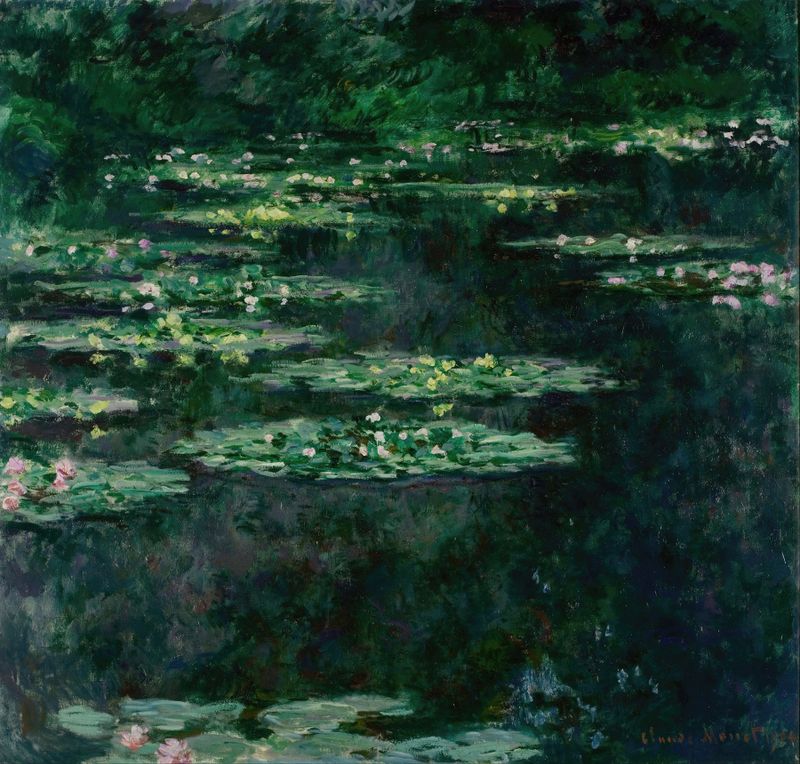
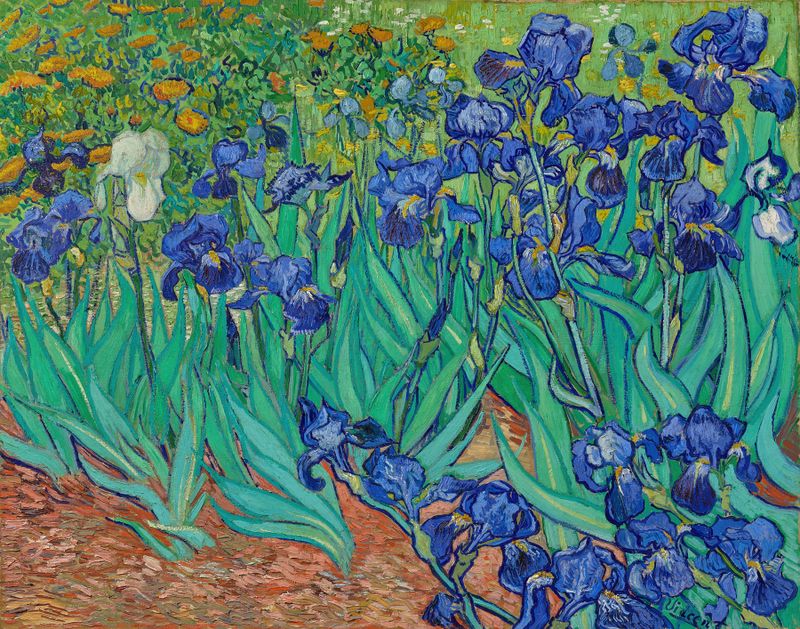
What secret hides in the quiet of the canvas? In the delicate embrace of spring, beneath the surface vibrancy, lies an ecstasy waiting to awaken. Look to the center where the blossoming branches stretch out, their soft pinks and whites bursting with life against a calming backdrop of lush greens. Notice how the gentle brushstrokes create a sense of movement, as if the flowers sway in a soft breeze. Each bloom captures the fleeting moment of renewal, while light filters through the foliage, illuminating the scene with a warmth that feels almost tangible. Yet, amid this celebration of nature, an undercurrent of stillness and introspection lingers.
The juxtaposition of vivacious blossoms and the serene backdrop speaks to the duality of existence—joy anchored in moments of quiet contemplation. Shadows lengthen, hinting at the fleeting nature of beauty and the ephemeral joy that spring promises, inviting the viewer to reflect on their own experiences of renewal and growth. Ferdinand Katona painted Early Spring between 1910 and 1915, during a period marked by profound shifts in the art world and societal upheaval. The early 20th century was a time of experimentation and change, and Katona, who was influenced by the Impressionist movement, sought to capture the essence of fleeting moments in nature.
His work resonates with the optimism of a new season, reflecting both his personal artistic journey and the wider cultural transformations occurring around him.
More Artworks by Ferdinand Katona
Browse all →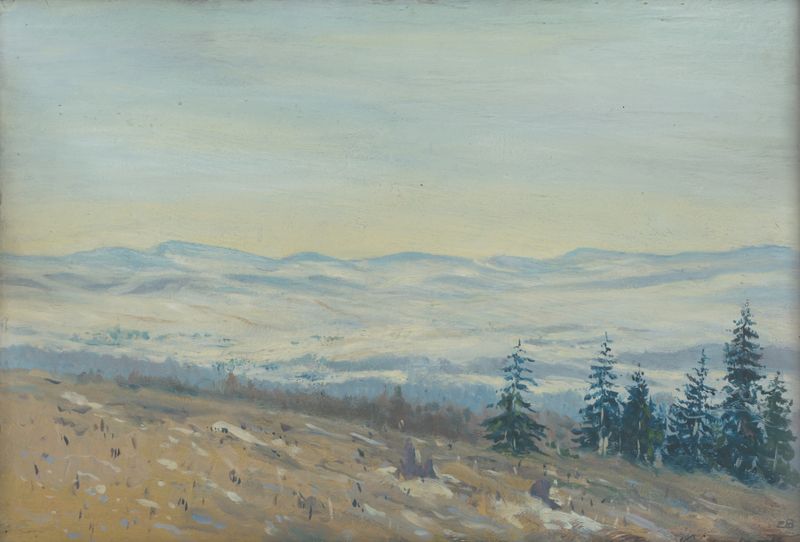
High Tatras
Ferdinand Katona
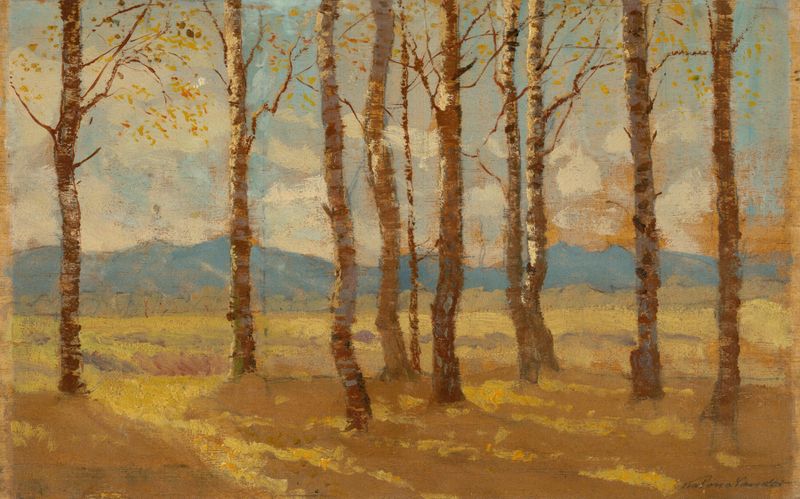
Birches in Autumn
Ferdinand Katona
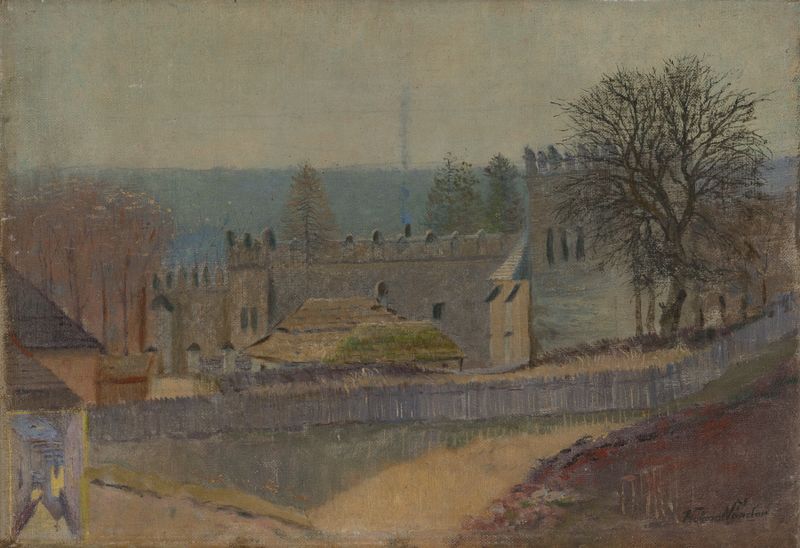
View of Strážky
Ferdinand Katona
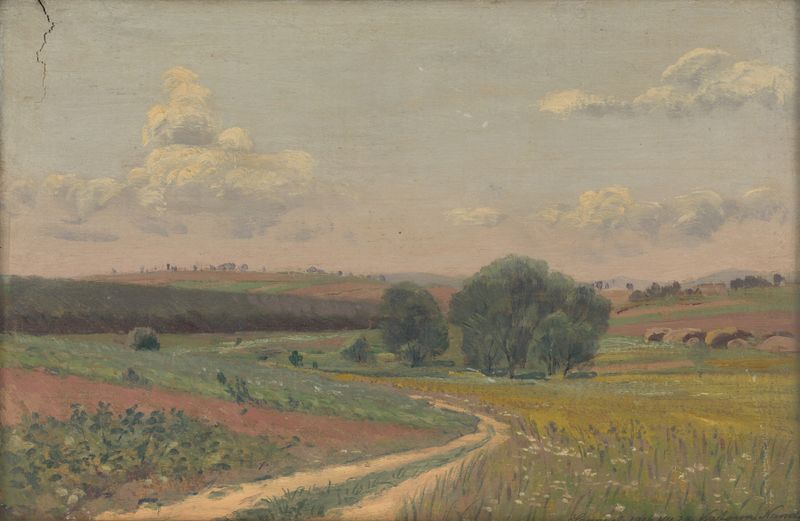
Landscape with a dirt road
Ferdinand Katona
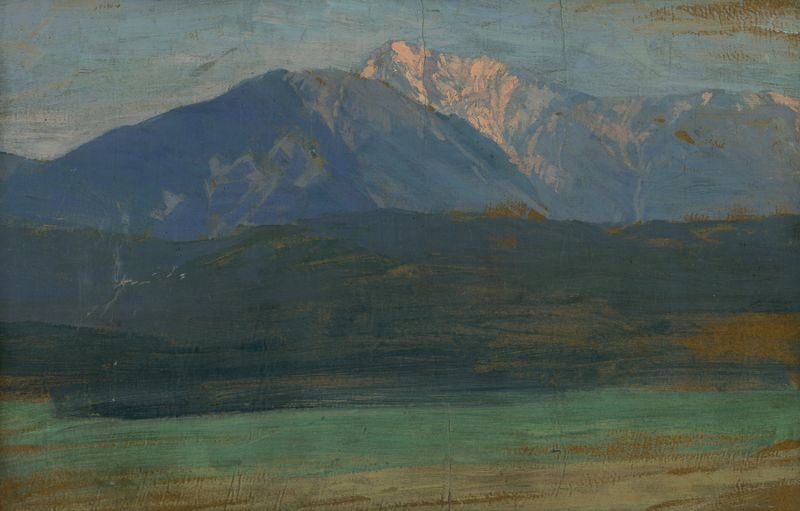
High Tatras
Ferdinand Katona
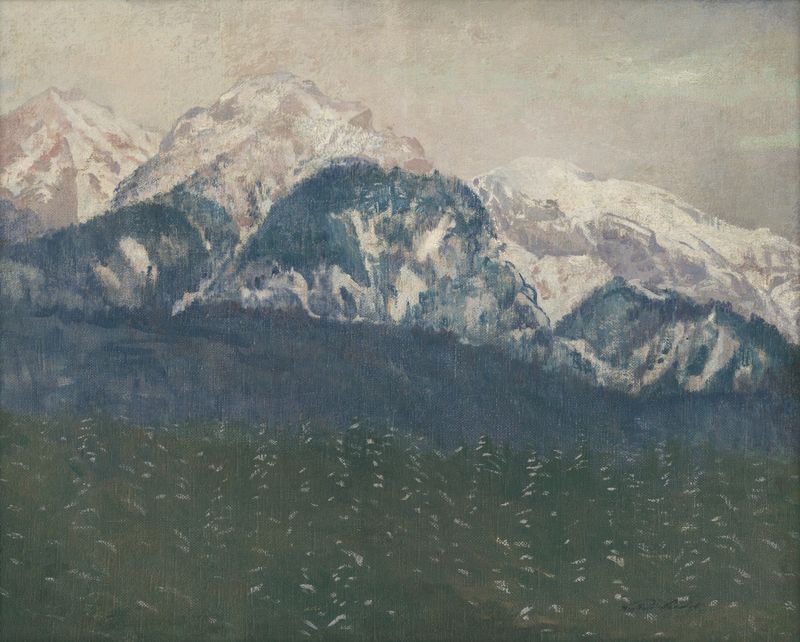
View of the High Tatras
Ferdinand Katona
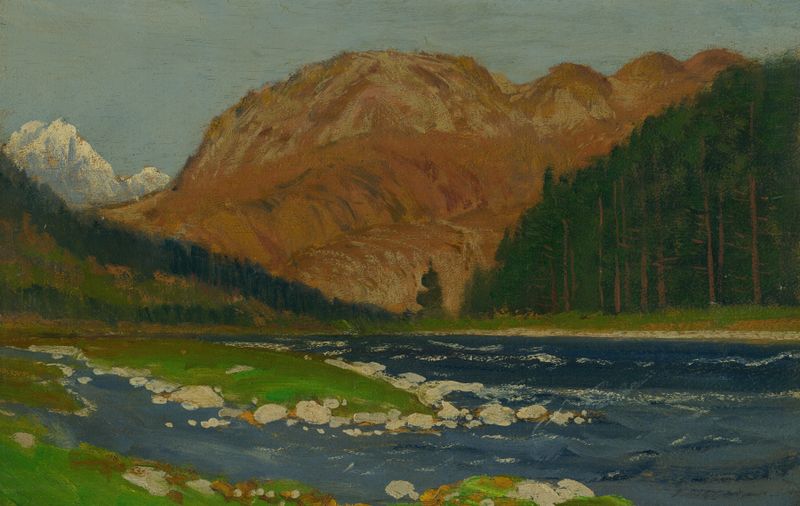
Landscape by the Danube
Ferdinand Katona
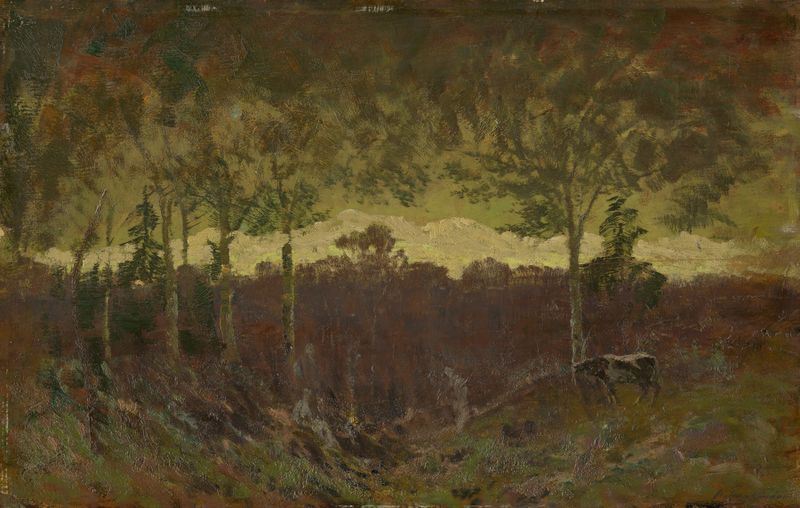
Early Evening Tatras Landscape
Ferdinand Katona
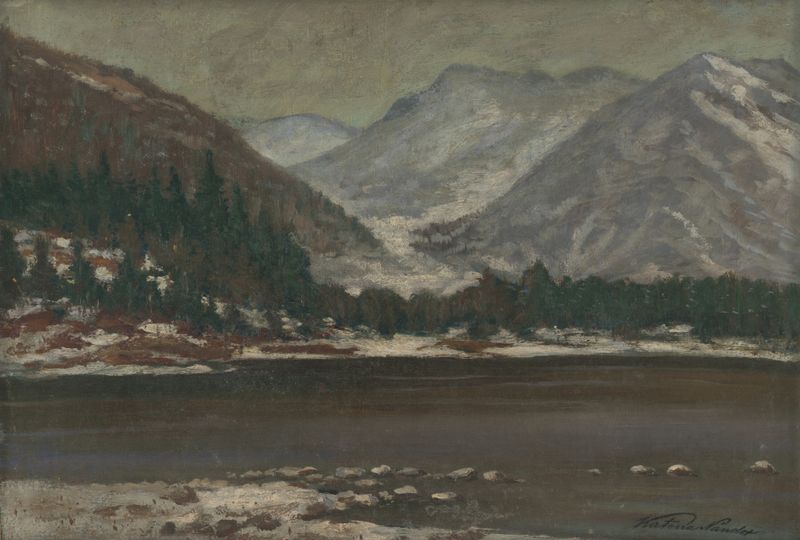
View of the High Tatras
Ferdinand Katona
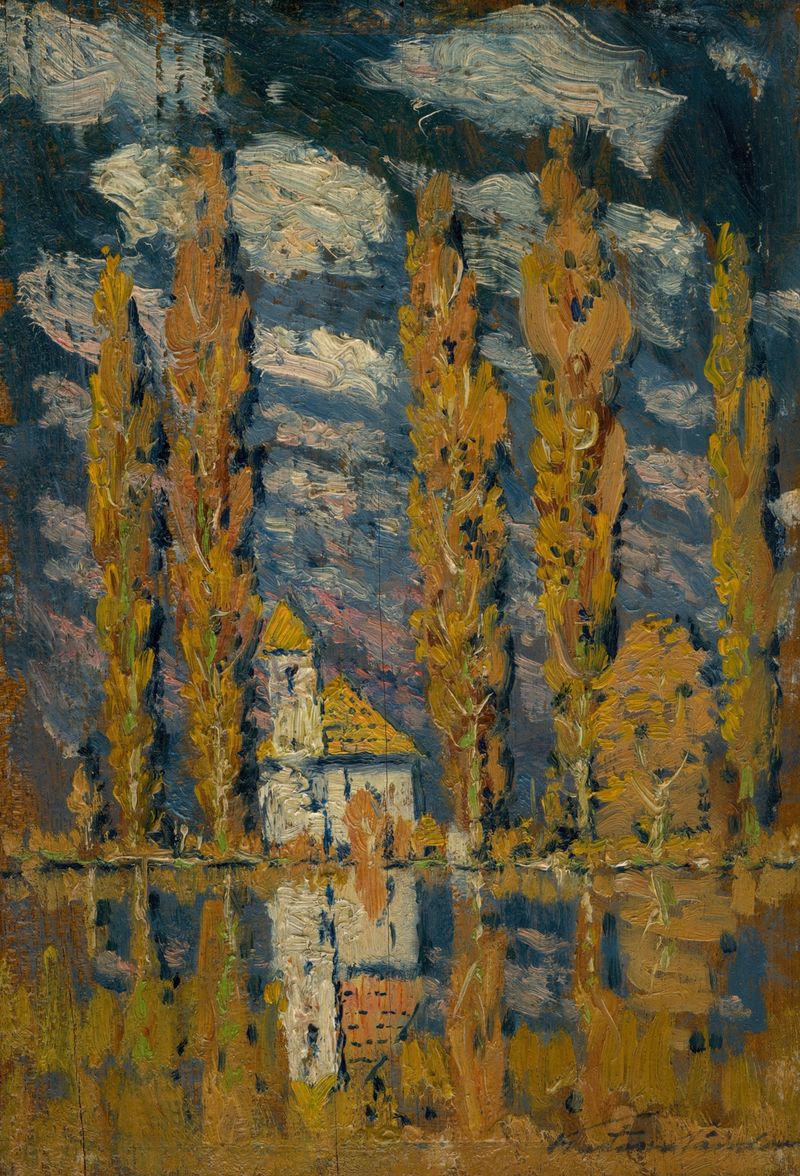
Poplars by the water
Ferdinand Katona