
View of the High Tatras — History & Facts
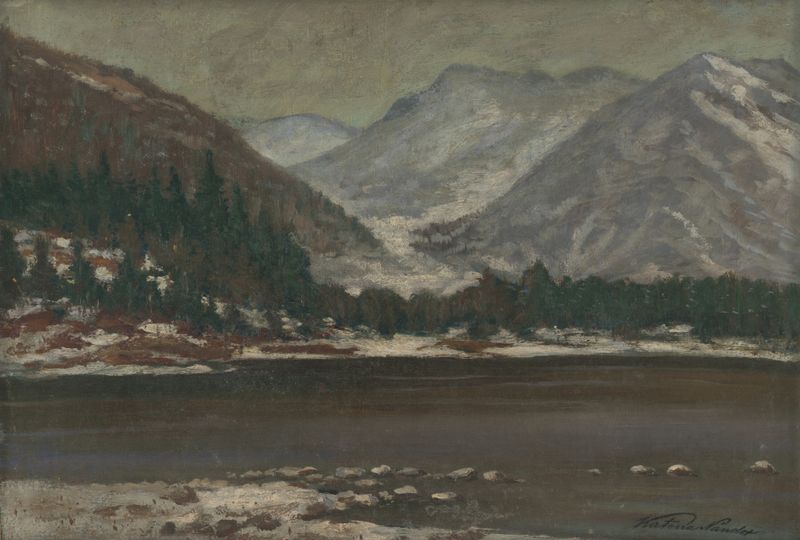
When did color learn to lie? In a world painted by the brush of serenity, the heart beats quietly beneath a vibrant sky. Look to the foreground, where the lush greens of the meadows dance gently with the whispering breeze. The viewer's gaze is captivated by the interplay of light, where golden sunrays spill across the tranquil landscape. Notice how the majestic peaks of the High Tatras rise proudly in the background, their craggy forms softened by a persistent haze, lending an ethereal quality to the scene.
The artist’s careful layering of hues creates a depth that draws you into this serene embrace of nature. Hidden within this picturesque view lies a tension between the stillness of the landscape and the fleeting nature of time. The contrasting colors echo the duality of peace and turmoil, suggesting that beneath the calm surface, life is always in flux. Small details, like the delicate brushstrokes representing distant trees or the slight ripple of water, hint at an underlying narrative waiting to unfold, inviting reflection on the harmony between man and nature. Ferdinand Katona created View of the High Tatras during a time of evolving artistic expression, between 1901 and 1950.
Living in a period marked by both the turmoil of world events and the exploration of new artistic styles, he captured the essence of tranquility amidst chaos. This work reflects his deep appreciation for the natural world, a theme that resonated with many artists of his time as they sought to find beauty and solace in a rapidly changing environment.
More Artworks by Ferdinand Katona
Browse all →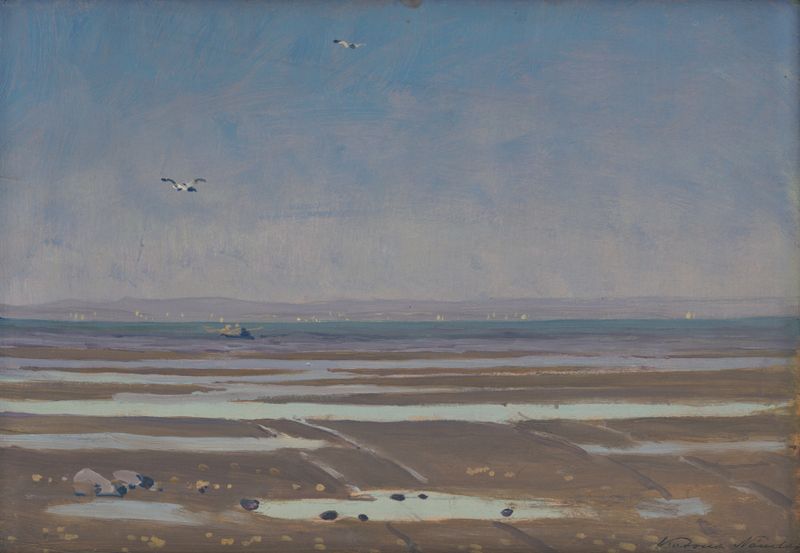
Early spring
Ferdinand Katona
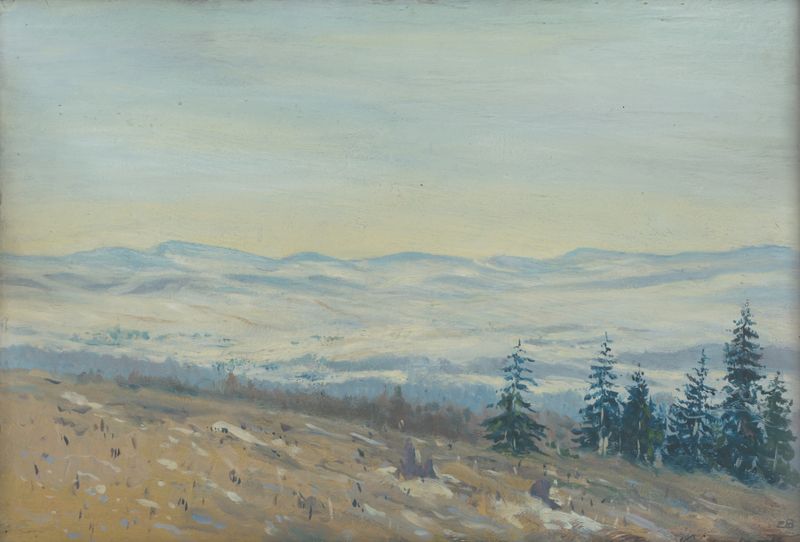
High Tatras
Ferdinand Katona
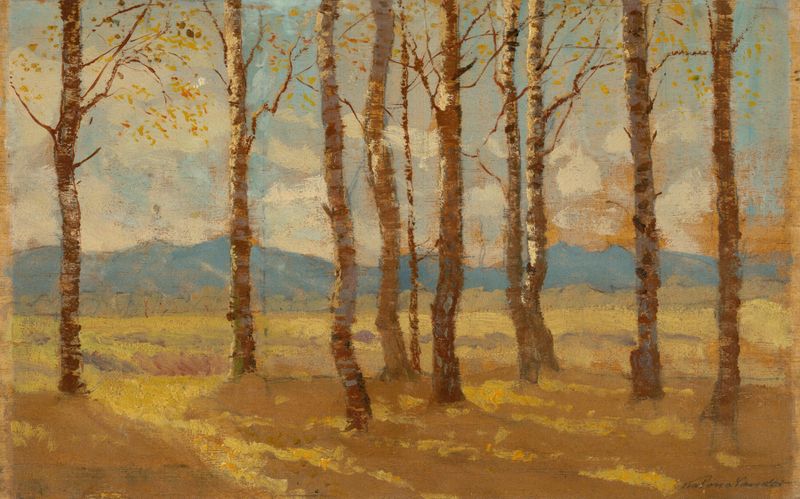
Birches in Autumn
Ferdinand Katona
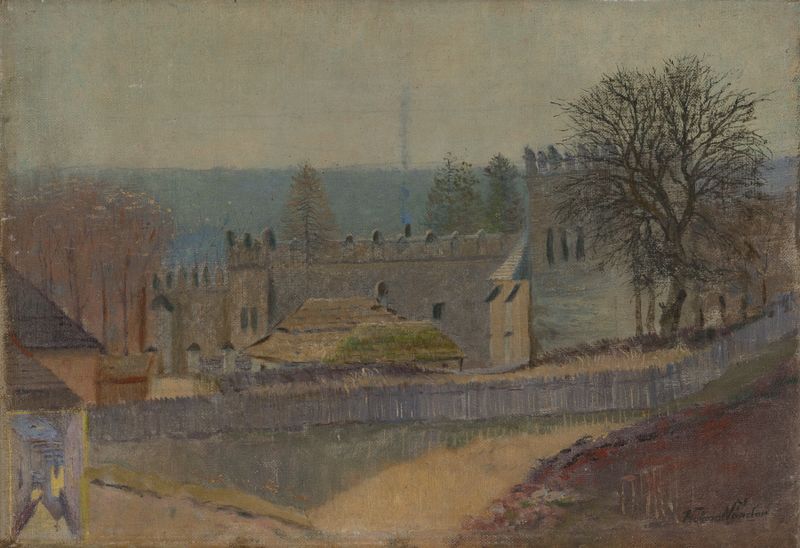
View of Strážky
Ferdinand Katona
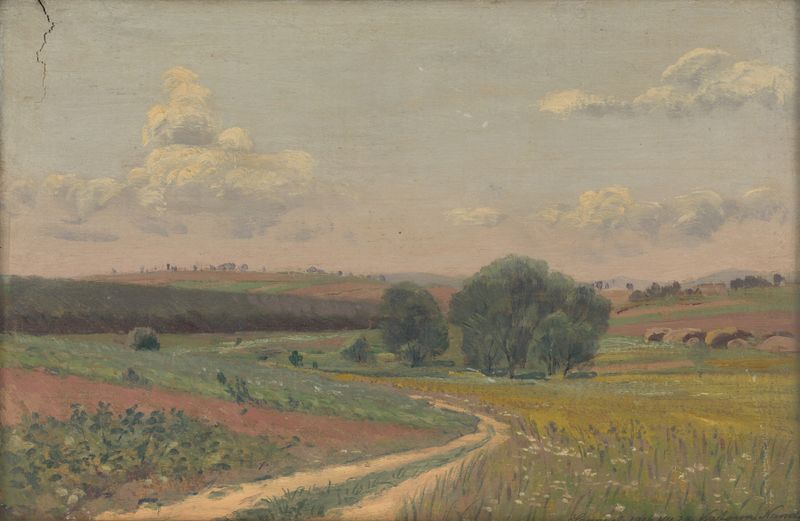
Landscape with a dirt road
Ferdinand Katona
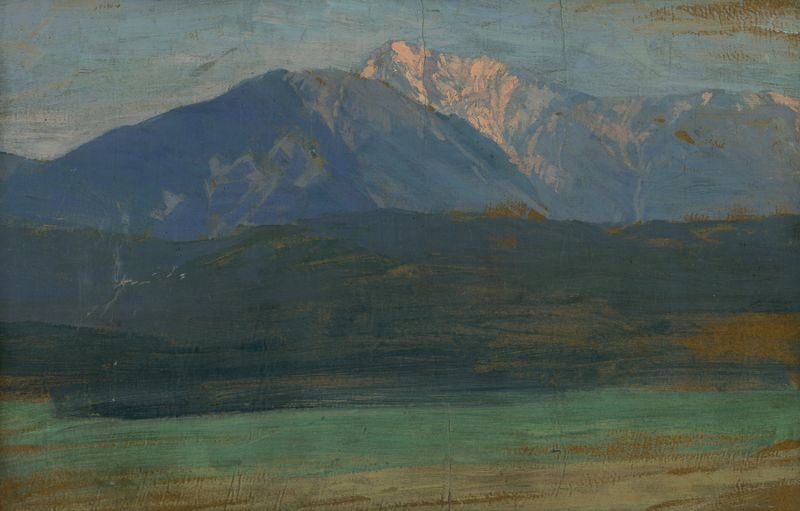
High Tatras
Ferdinand Katona
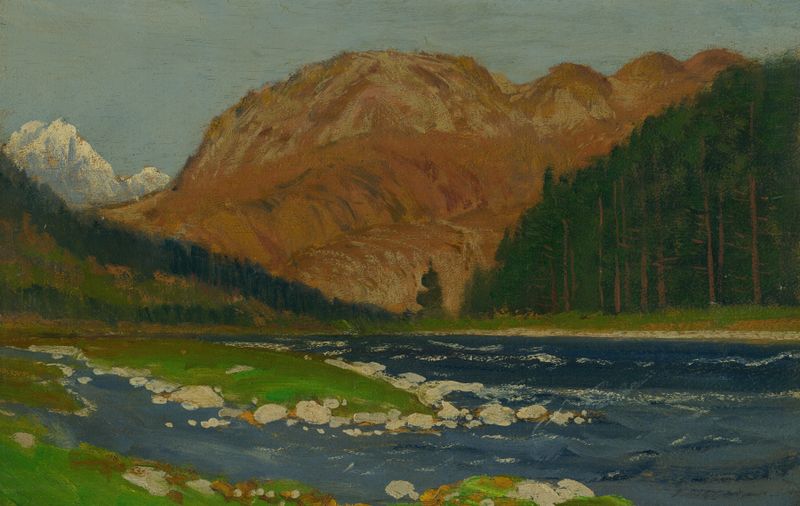
Landscape by the Danube
Ferdinand Katona
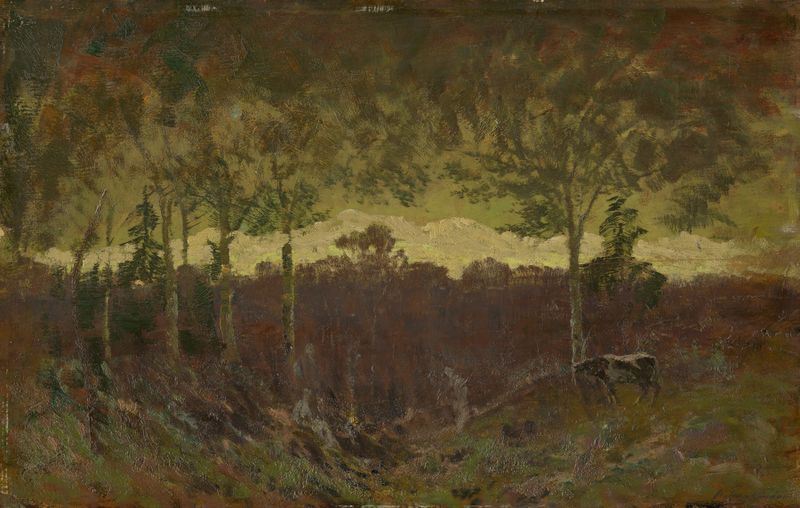
Early Evening Tatras Landscape
Ferdinand Katona
View of the High Tatras
Ferdinand Katona
Poplars by the water
Ferdinand Katona





