
Waterfall — History & Facts
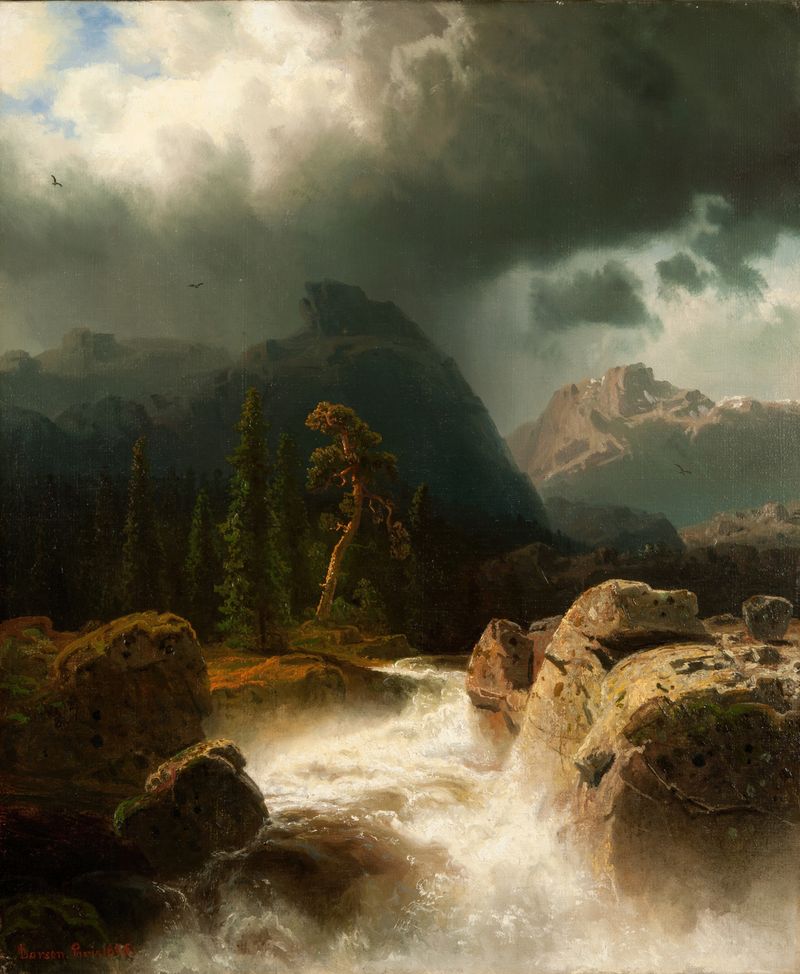
In the tranquil embrace of nature, the spirit of loneliness resonates with every cascading drop of water and untouched boulder. It beckons contemplation, inviting one to ponder the weight of solitude amid the splendor of the natural world. Look to the foreground, where the waterfall spills gracefully over jagged rocks, its frothy white edges contrasting sharply with the deep greens and browns of the surrounding foliage. Notice how the light filters through the trees above, creating a dappled effect that dances across the surface of the water.
The artist’s brushwork captures the fluidity of the water, making it seem almost alive, while the carefully chosen color palette conveys a sense of serenity tinged with melancholy. Hidden within the beauty lies a powerful narrative of isolation. The serene landscape, while breathtaking, evokes the quiet ache of being alone amidst nature’s grandeur. The juxtaposition of the vibrant waterfall and the stillness of the surrounding forest speaks to the complexity of emotions; the water’s exuberance contrasts with the sense of abandonment that the viewer might feel in the vastness of the scene.
Each element, from the rugged rocks to the encroaching trees, reflects moments of introspection and the echoes of unvoiced thoughts. In 1856, Marcus Larson painted this masterpiece during a time of personal struggle and artistic evolution in Sweden. Engaging deeply with the Romantic movement, he sought to convey emotional depth through landscapes, influenced by the natural beauty surrounding him. This period marked a significant transition in his career, as he embraced en plein air techniques that captured the ephemeral qualities of light and atmosphere, enriching his work with a palpable sense of moment.
More Artworks by Marcus Larson
Browse all →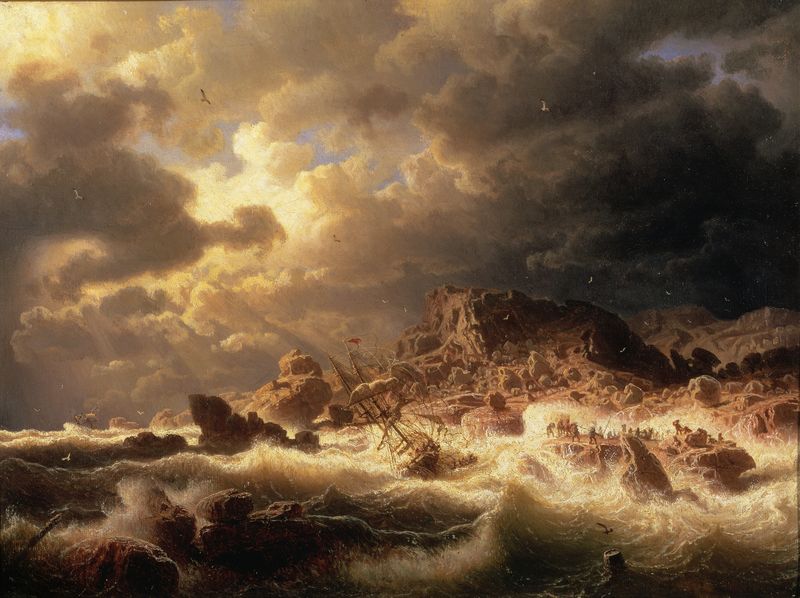
Gale on the Bohuslän Coast
Marcus Larson

Waterfall in Småland
Marcus Larson
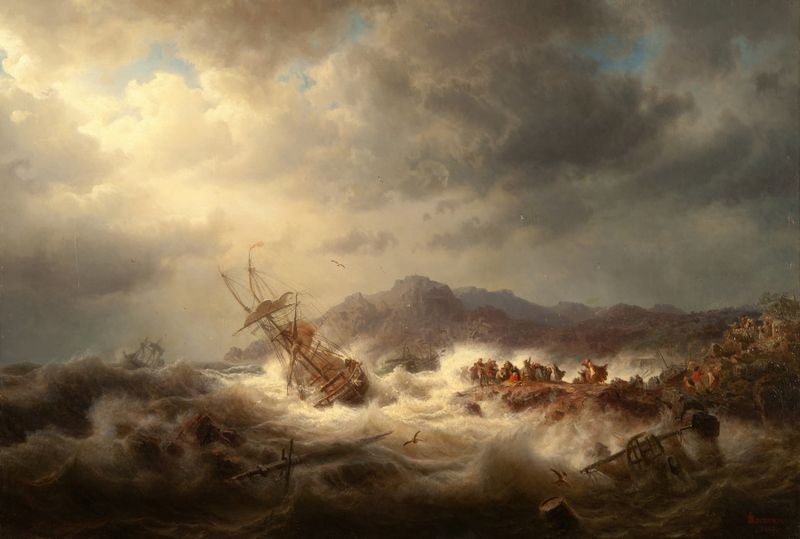
Shipwreck
Marcus Larson
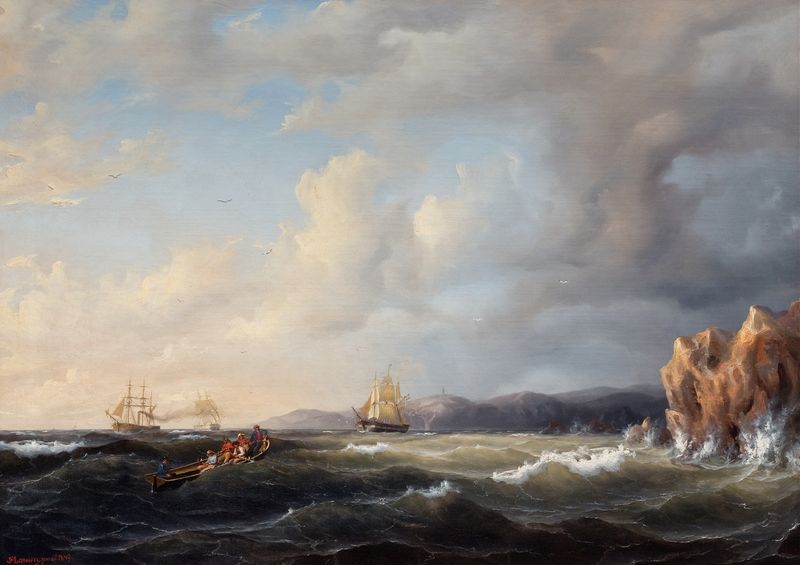
Bark Beating to Windward at Kullaberg
Marcus Larson
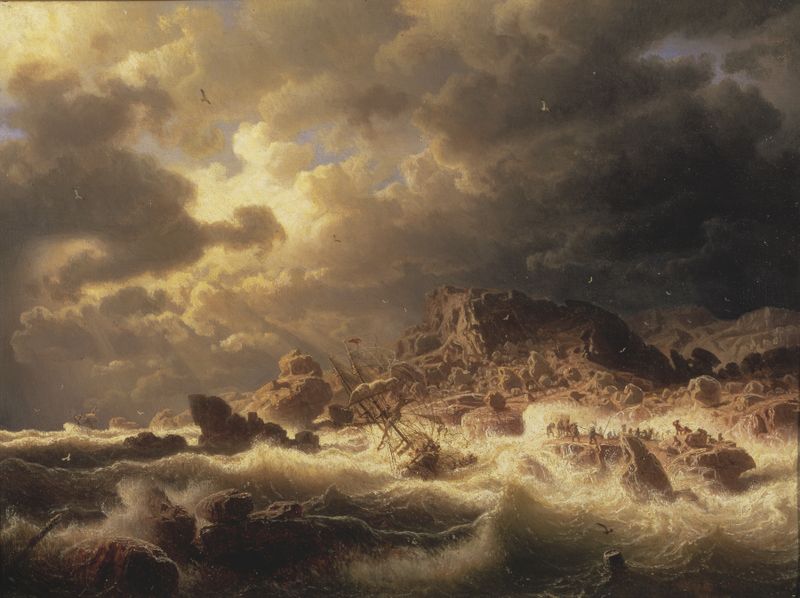
Gale on the Bohuslän Coast
Marcus Larson
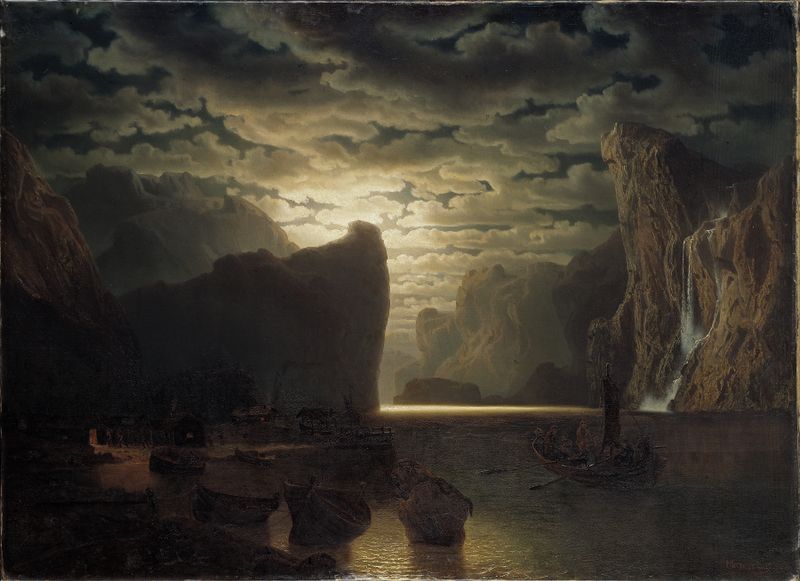
Norwegian Fjord in Moonlight. Motif from the Sogne-Fjord
Marcus Larson

Norwegian Fjord in Moonlight
Marcus Larson

Rocky Landscape with Waterfall
Marcus Larson
Waterfall
Marcus Larson

Burning Steamer
Marcus Larson





