
Watervallen bij het landgoed De Oorsprong bij Oosterbeek — History & Facts
In the stillness of nature, a divine presence lingers, whispering through the rustle of leaves and the gentle flow of water. The essence of tranquility encapsulated within the frame speaks to the soul, inviting contemplation and connection with a world beyond the visible. Look to the left at the cascading waters, their silken flow captured in delicate strokes that evoke both movement and stillness. The artist expertly balances light and shadow, allowing the shimmering surface of the water to reflect fleeting glimpses of the surrounding foliage.
Notice the subtle gradations of green and brown, harmonizing with the muted blues and whites that evoke a sense of peace, as if nature itself is breathing through the canvas. Each brushstroke adds depth, drawing the eye deeper into the serene landscape. Within this picturesque composition lies a juxtaposition of tranquility and hidden turmoil. The gentle waterfall, a symbol of divine grace, contrasts with the rugged rocks beneath, suggesting the powerful forces of nature that shape our existence.
This tension speaks to the duality of life, where beauty often emerges from struggle. The play of light upon the water's surface hints at fleeting moments of enlightenment, inviting viewers to meditate on the interplay of the sacred and the mundane. J.S.J. de Jongh created this work between 1860 and 1880, during a period of growing fascination with landscapes in the Dutch art scene.
As he painted in Oosterbeek, a region known for its natural beauty, the artist was influenced by the Romantic movement, which celebrated nature as a source of inspiration and spirituality. This painting reflects a time when artists sought to capture the sublime, revealing their yearning for deeper connections with both nature and the divine.
More Artworks by J.S.J. de Jongh
Browse all →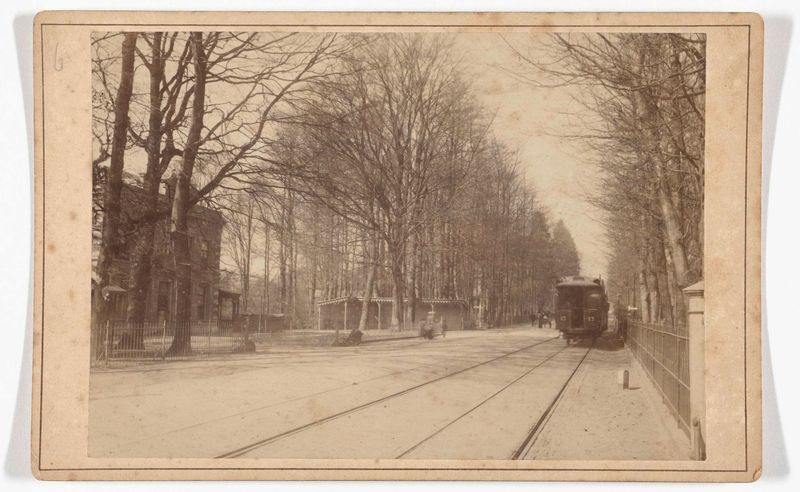
Hotel Schoonoord en trambaan te Oosterbeek
J.S.J. de Jongh
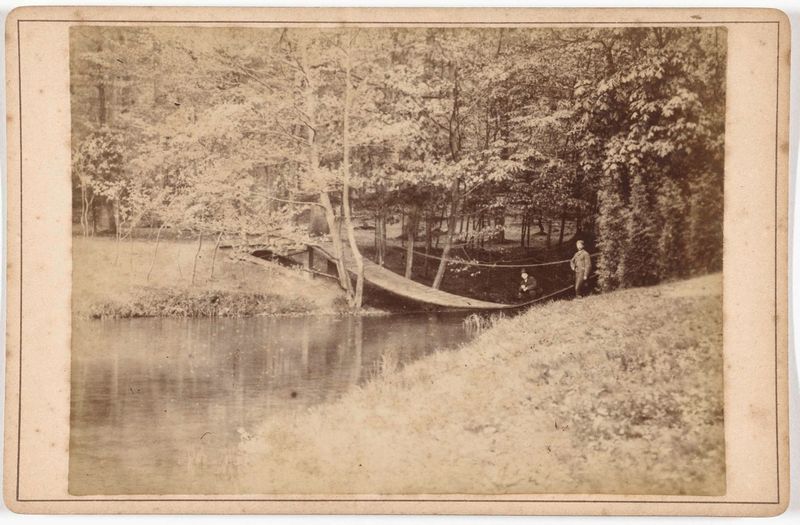
Hangbrug in de tuin van kasteel Rozendaal bij Velp
J.S.J. de Jongh

Een groep mensen in de Dorpsstraat te Velp
J.S.J. de Jongh

Boslaan (Middachter allée) bij De Steeg
J.S.J. de Jongh
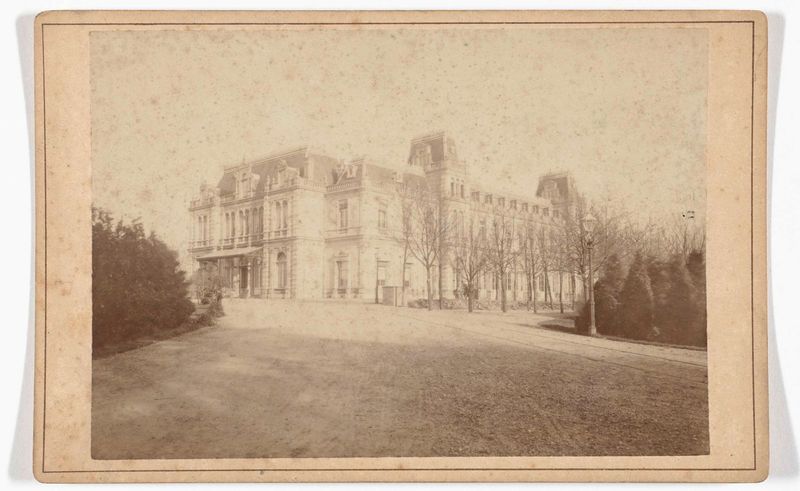
Planten- en vogeltuin in Arnhem
J.S.J. de Jongh
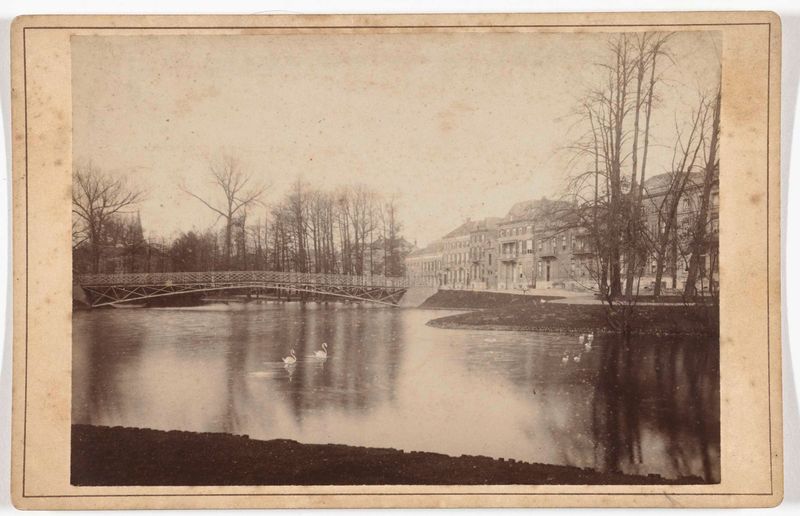
Lauwergracht te Arnhem
J.S.J. de Jongh





