Waves Off The Cornish Coast — History & Facts
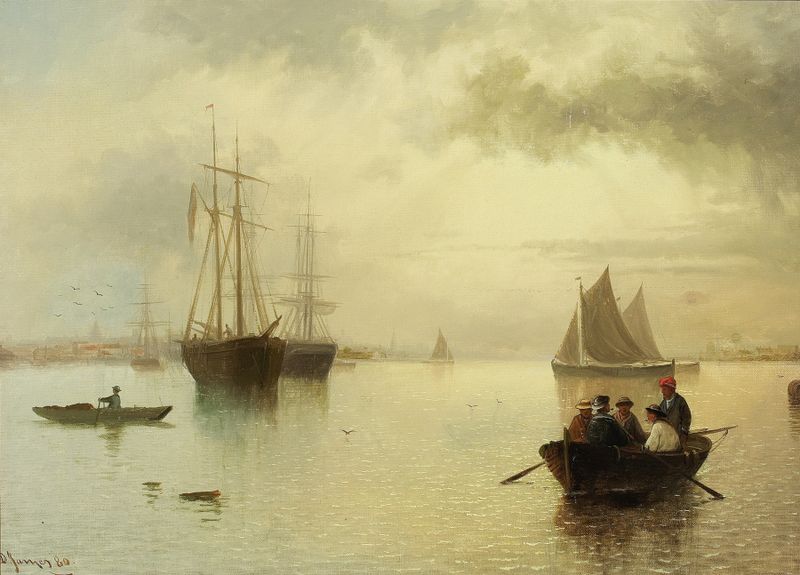
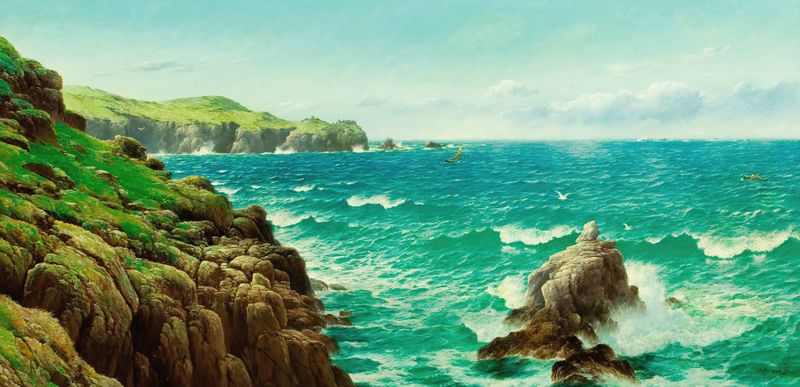
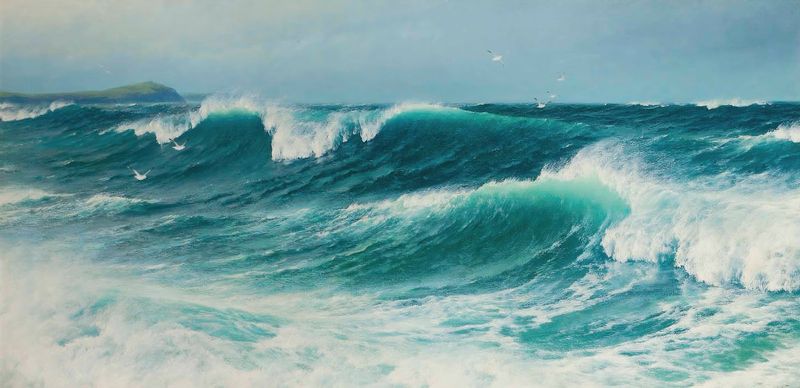
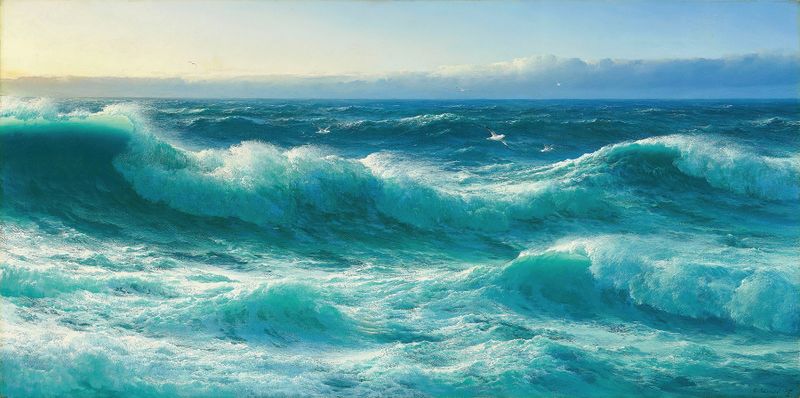
What secret hides in the quiet of the canvas? The gentle swells of water whisper promises of hope, where the horizon dances between reality and dreams, beckoning the viewer to dive deeper. Focus on the rolling waves, painted with a vibrant palette that shifts from azure to cerulean, each stroke evoking the movement of the sea. Notice how the light bathes the water, creating shimmering reflections that ripple with life. Look closely at the distant cliffs, softened by a mist that hints at both beauty and danger, drawing your gaze into the depth of the scene.
The interplay of light and shadow crafts a dynamic tension, capturing the essence of nature's relentless yet soothing presence. In this tranquil moment, the contrast between the calm sea and the rugged coastline speaks to the resilience of hope amidst turmoil. The waves, though seemingly peaceful, suggest an underlying force, a reminder of nature's power and unpredictability. The mist that envelops the cliffs symbolizes the unknown, inviting us to contemplate what lies beyond the visible, while the harmony of colors reflects a yearning for serenity and connection. David James painted this work in 1888, during a period marked by the rise of the British Impressionists, who sought to portray nature through light and color.
Living in Cornwall, a place renowned for its striking coastal landscapes, he was influenced by both the beauty of his surroundings and the evolving art world. This era was one of exploration, as artists like him embraced the new techniques that emphasized the fluidity of light, encapsulating the spirit of hope that resides in nature’s rhythms.