
Werkzaamheden aan de nieuwe brug bij Spijkerboor — History & Facts
In a world of chaos, how do we confront the madness of progress? Look to the left at the bold strokes capturing workers in motion, their bodies an intricate dance of labor and determination. The hues of deep earthy browns clash against the steel blues of machinery, evoking a sense of urgency and ambition. Notice how the light catches on the gleaming surfaces of tools, illuminating each moment of toil, while shadows loom ominously behind, hinting at the uncertainty of their endeavor. Amidst the frenetic activity, there lies a poignant contrast between the workers' resilience and the looming structure, which stands as both a promise and a threat.
Each figure is caught in a rhythm of labor, suggesting the relentless pursuit of progress, yet their weary expressions hint at the weight of what is sacrificed for this dream. The juxtaposition of movement and stagnation in the background speaks volumes about the emotional cost of ambition, revealing the madness woven into the fabric of creation. In this period from 1950 to 1970, Maarten Oortwijn emerged as a crucial figure in the Dutch art scene, embodying the tensions of post-war reconstruction. Painting during the era of rebuilding, he was influenced by the social and industrial changes of his time, as well as the shifting dynamics of artistic expression.
His work reflects a society caught between the celebration of progress and the haunting shadows of the past, capturing the complexities of human endeavor in an ever-evolving landscape.
More Artworks by Maarten Oortwijn
Browse all →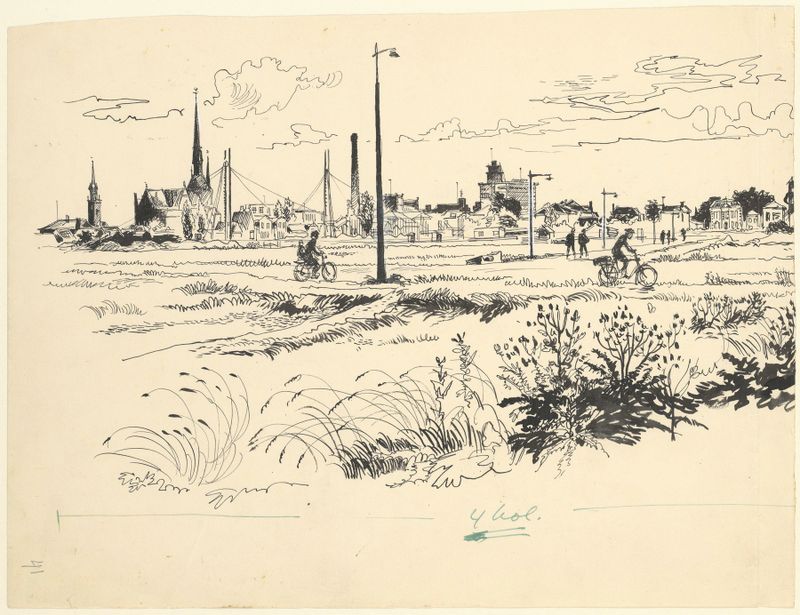
Gezicht op Koog aan de Zaan.
Maarten Oortwijn
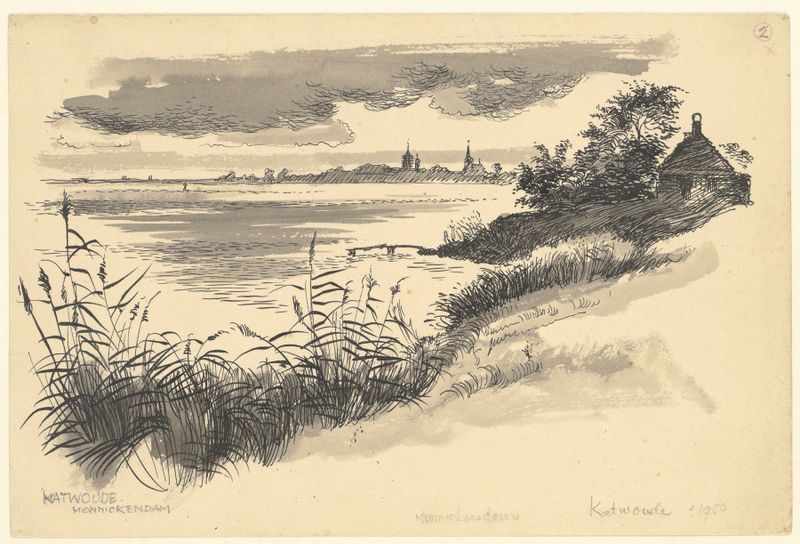
Gezicht vanuit Katwoude op Monnickendam
Maarten Oortwijn
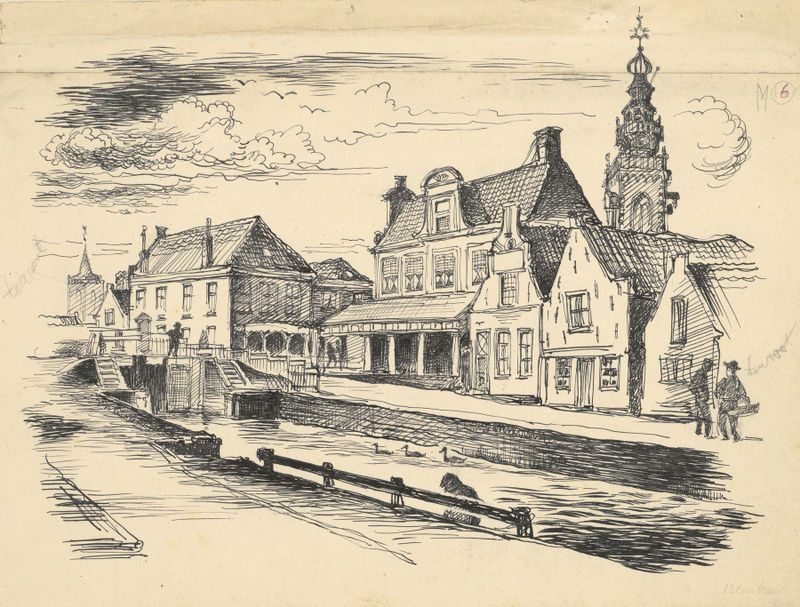
Gezicht vanaf de Gooische Kaai op de Waag
Maarten Oortwijn
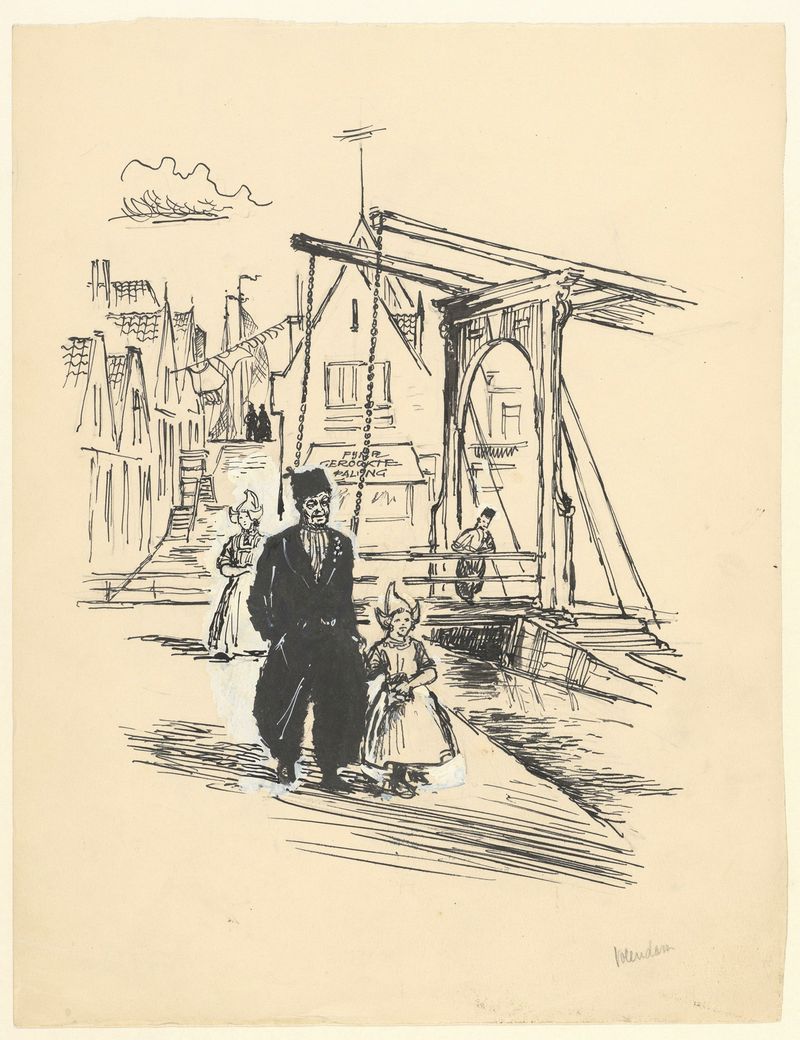
Gezicht te Volendam.
Maarten Oortwijn
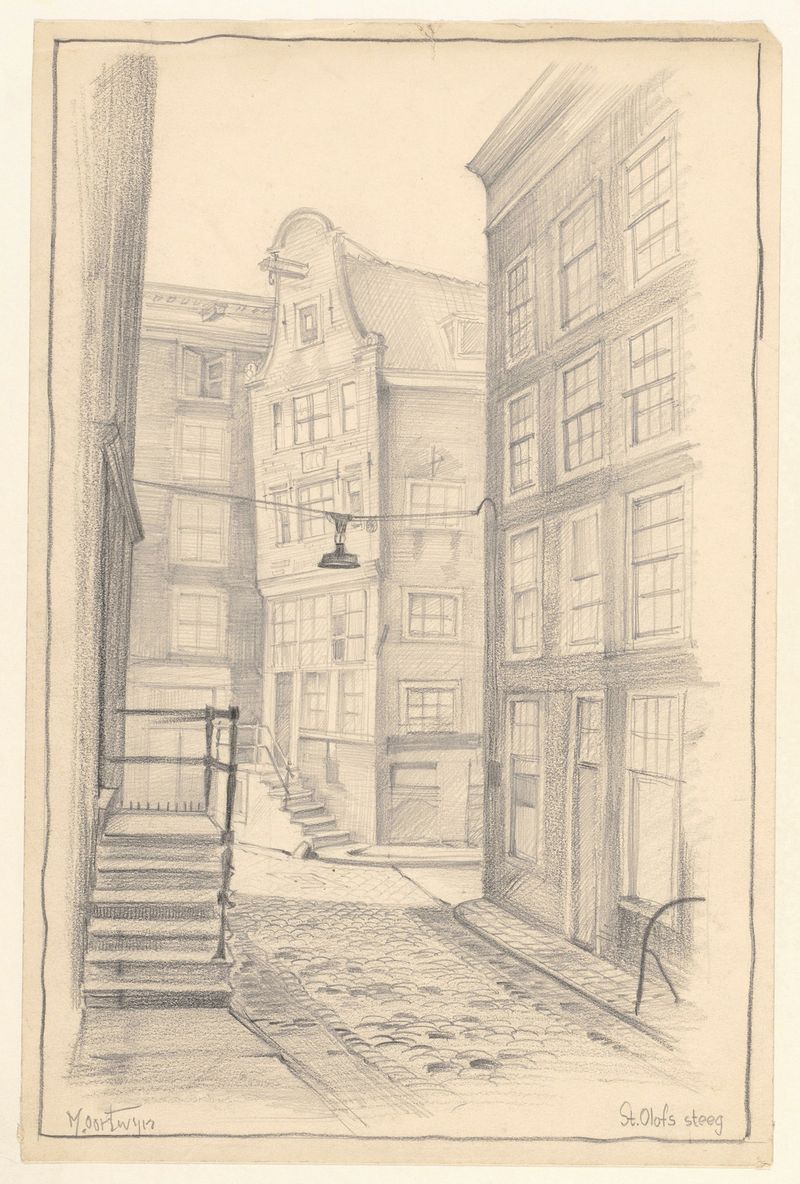
Gezicht in de St. Olofssteeg.
Maarten Oortwijn
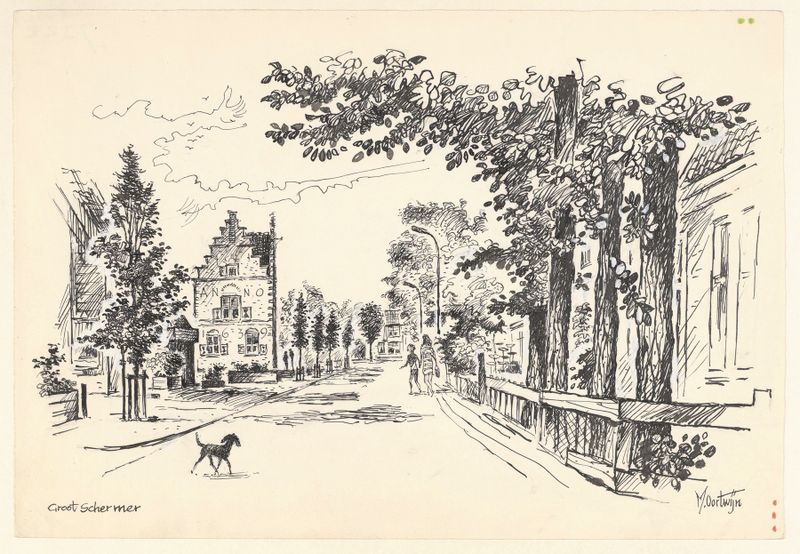
Gezicht te Grootschermer met het Raadhuis
Maarten Oortwijn
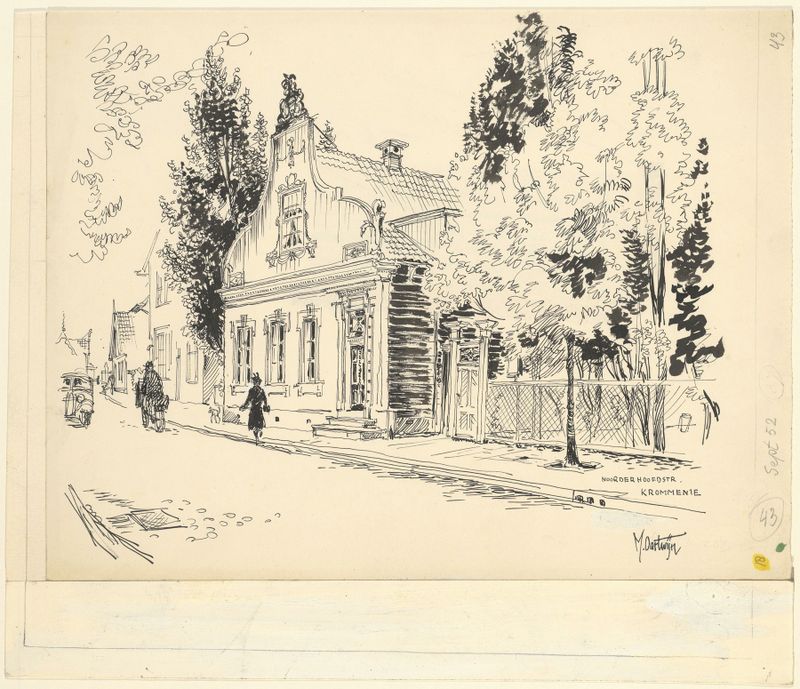
Gezicht in de Noorder
Maarten Oortwijn
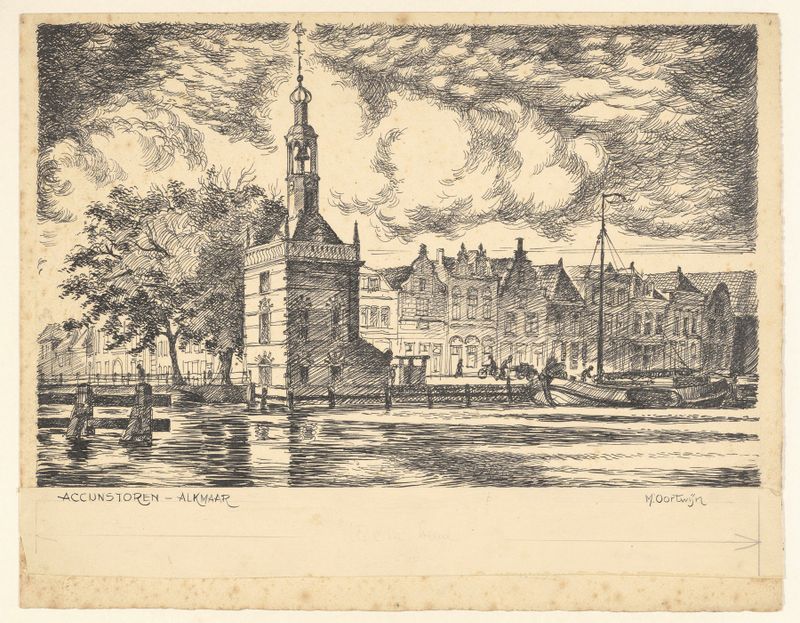
Gezicht op de Accijnstoren aan de Bierkade.
Maarten Oortwijn
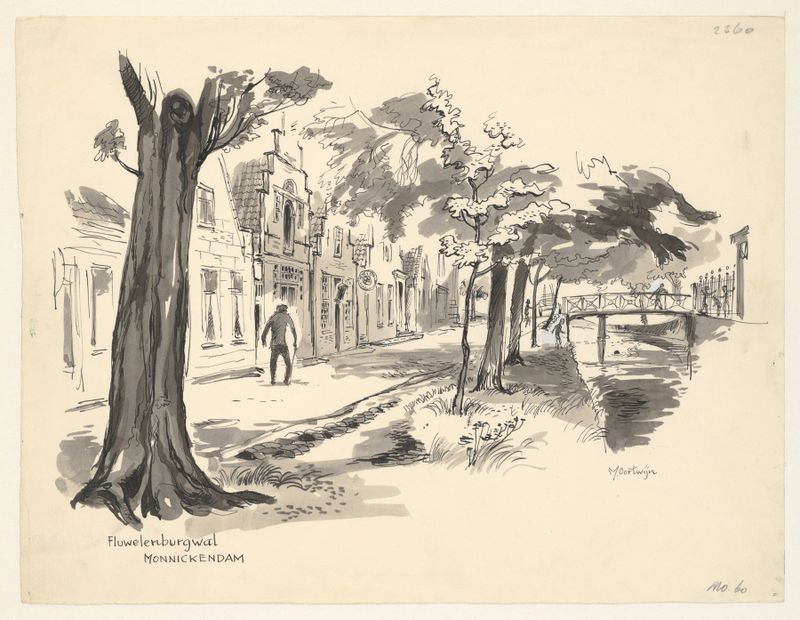
Fluwelenburgwal, Monnickendam
Maarten Oortwijn
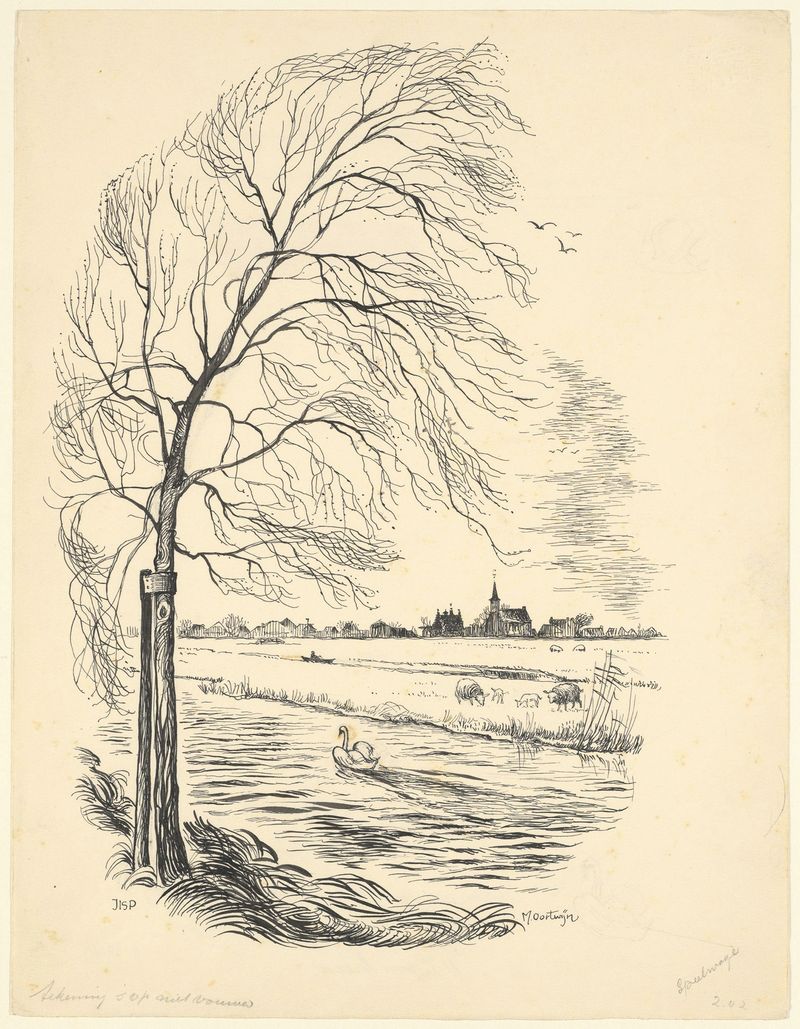
Gezicht op Jisp.
Maarten Oortwijn





