Western Qing tombs (Xiling) – View of Mausoleum — History & Facts
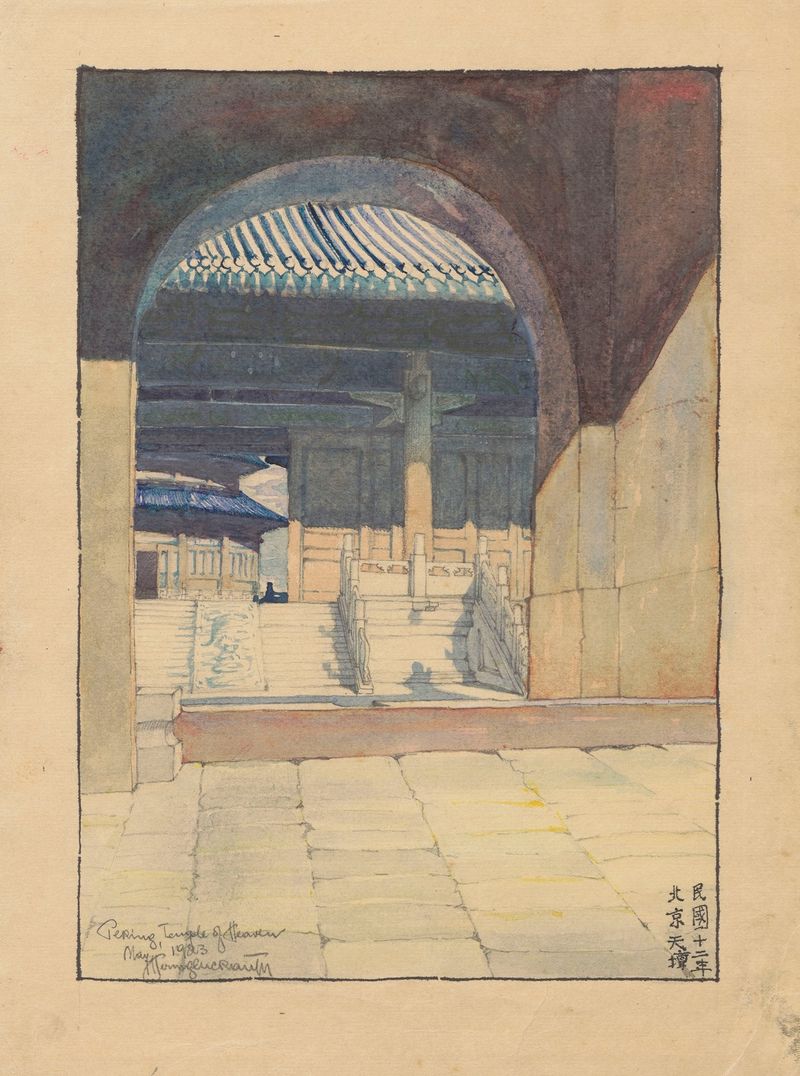
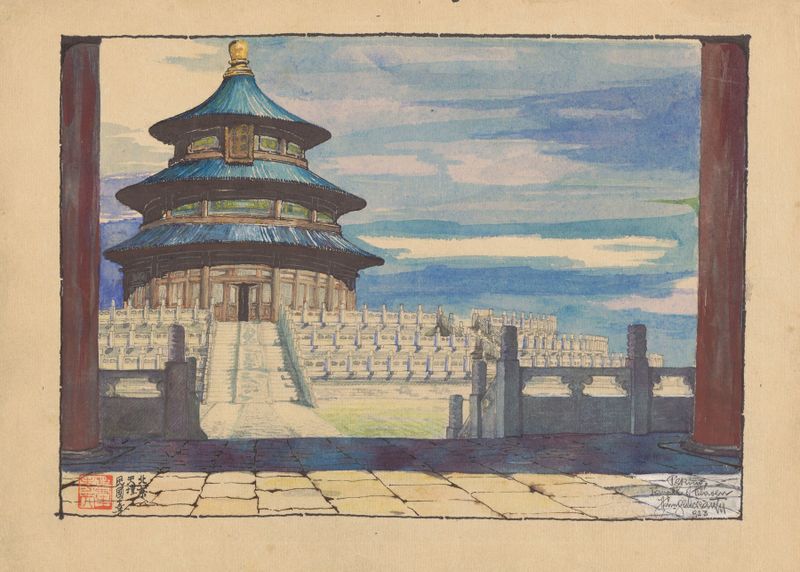
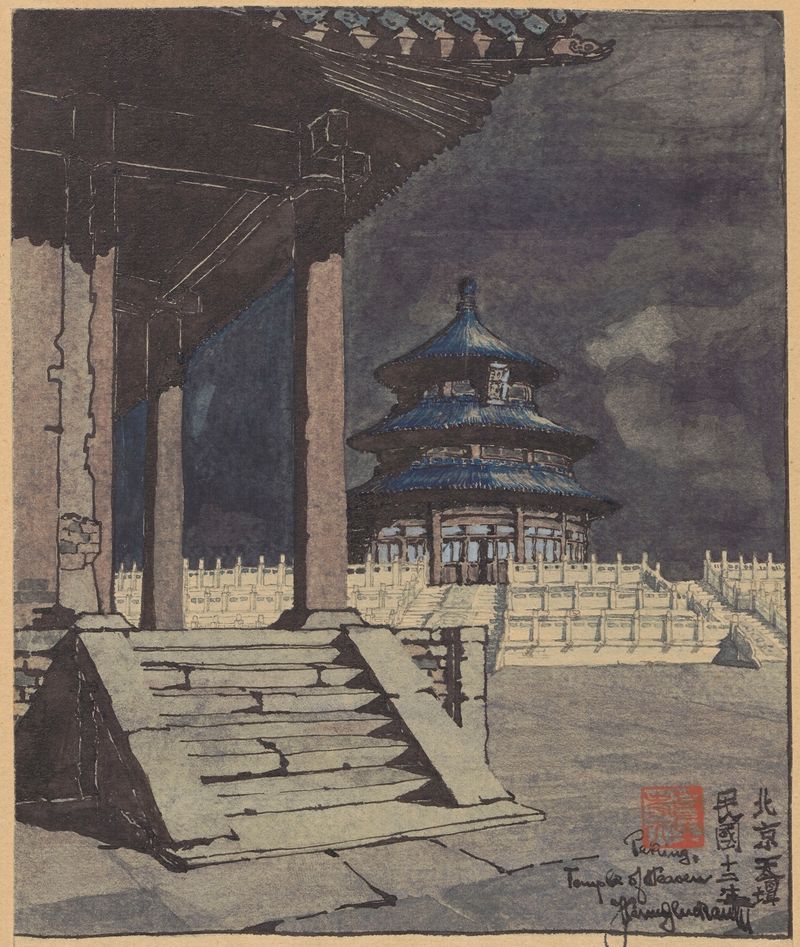
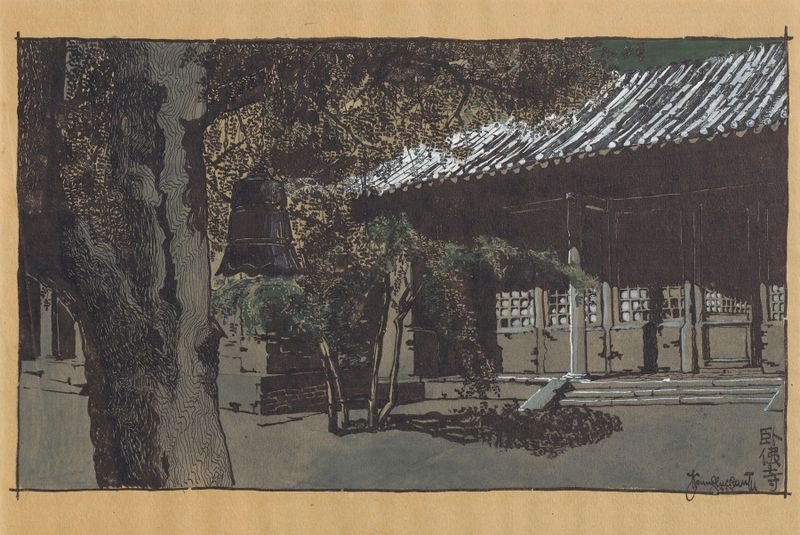
In a dreamlike landscape, the past whispers through the colors and forms, beckoning us to explore the realms of memory and history. Focus on the serene expanse in the foreground, where the undulating hills cradle the tombs like ancient secrets. The mausoleums stand proudly against a backdrop of softly blended hues, as if the sky itself cradles the earth in a gentle embrace. Notice how the artist employs soft earth tones, allowing the mausoleums to blend harmoniously with the surrounding nature—painting a scene that feels both reverent and timeless. Amidst this tranquil vista, contrasts emerge; the stark geometries of the tombs juxtapose against the soft, organic forms of the land.
This tension between man-made structures and the natural world evokes a sense of contemplation about mortality and legacy. The muted palette, punctuated by the gentle glow of the setting sun, reflects the reverence for those interred, suggesting a bridge between past and present, life and death. In 1923, Lishou Huang created this work during a period of profound change in China, as traditional beliefs faced the encroaching waves of modernization. The artist, residing in a time when the country began to question its imperial past, captured the essence of ancestral reverence while navigating the currents of contemporary thought.
His brushwork, resonating with history, stands as a poignant reminder of the ties that bind us to our forebearers.