
Western scene with buttes and possibly a pueblo community in the distance, as seen from a ravine with a cottonwood tree — History & Facts
What if silence could speak through light? In the vast expanses of the American West, that silence transforms into an ecstatic embrace of nature, revealing the whispers of the land. Look to the horizon, where buttes rise majestically against the sky, their earthy hues blending seamlessly with the warm palette of the setting sun. Notice how the cottonwood tree in the foreground stands sentinel, its leaves shimmering with hints of gold, creating a stark contrast against the ruggedness of the landscape. The composition invites the eye to wander from the tree's delicate branches down into the ravine, where shadows and light play delicate games, breathing life into the otherwise still atmosphere. Within this stillness lies a profound complexity.
The juxtaposition of the distant pueblo community hints at human presence, yet their mere suggestion emphasizes the vastness of the surrounding wilderness. The interplay of light upon the rocky formations evokes a sense of ecstasy—where nature’s grandeur overwhelms yet nurtures, suggesting both solitude and connection. Each brushstroke echoes the silent stories held within the land, as if it vibrates with the energy of generations past. Painted between 1850 and 1870, this work emerged during a transformative era in American art, as artists began to explore the deeper spiritual connections to the landscape.
At this time, Queen, a member of the Hudson River School, was delving into the depiction of the American West, capturing its raw beauty while reflecting the broader dialogue about nature that was inspiring artists across the country. This painting stands as a testament to that epoch, intertwining human experience with the divine essence of the untamed frontier.
More Artworks by James Fuller Queen
Browse all →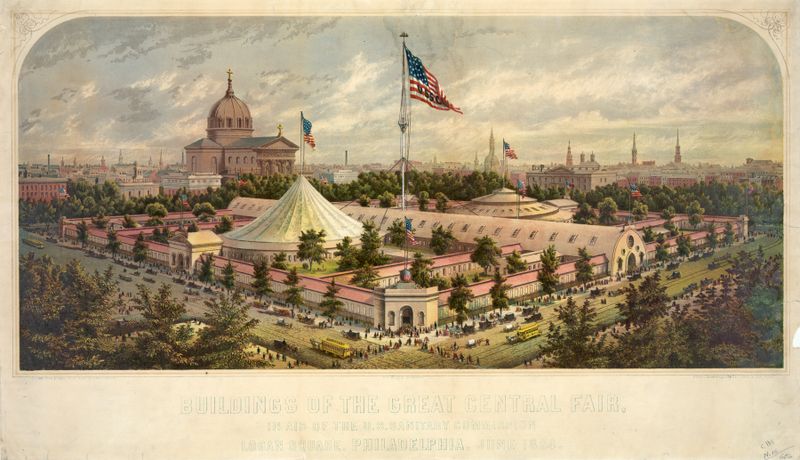
Buildings of the Great Central Fair, in aid of the U.S. Sanitary Commission, Logan Square, Philadelphia, June 1864
James Fuller Queen
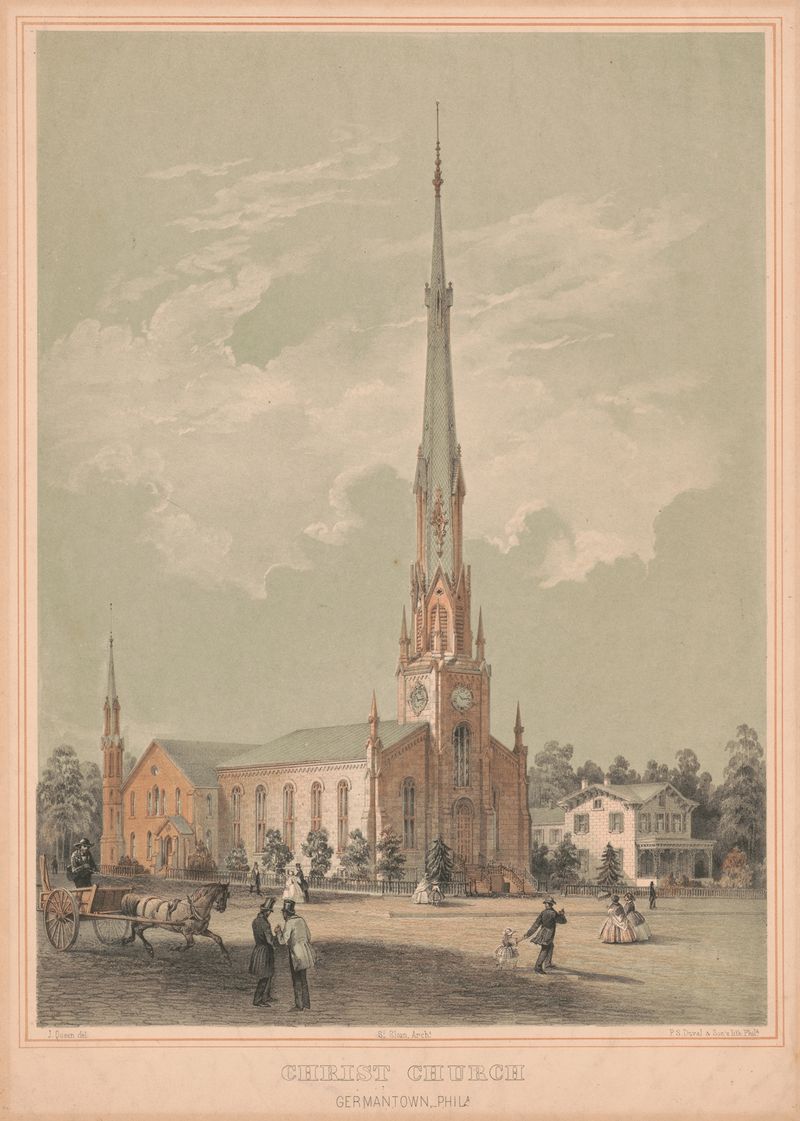
Christ Church, Germantown, Phila.
James Fuller Queen
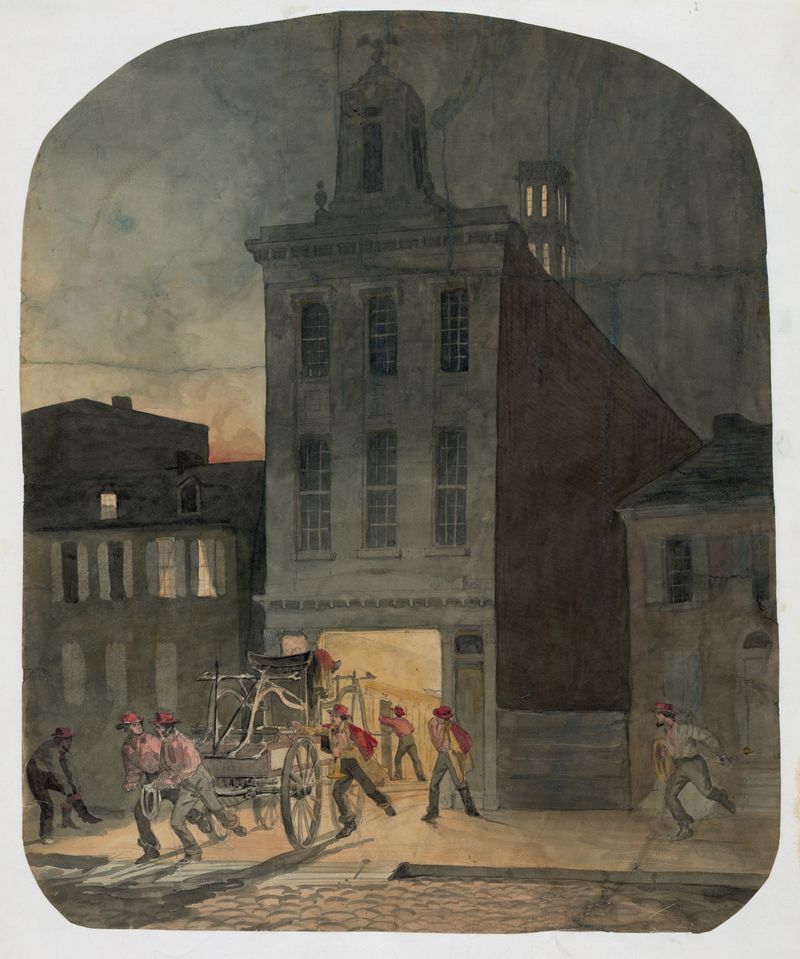
Firehouse scene in Philadelphia showing firemen from the Weccacoe Engine Company
James Fuller Queen
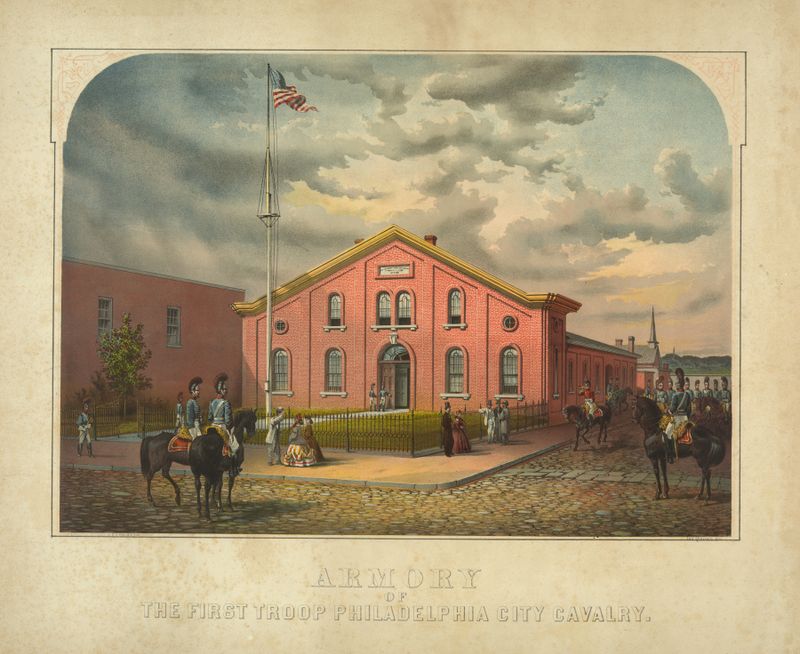
Armory of the First Troop Philadelphia City Cavalry
James Fuller Queen
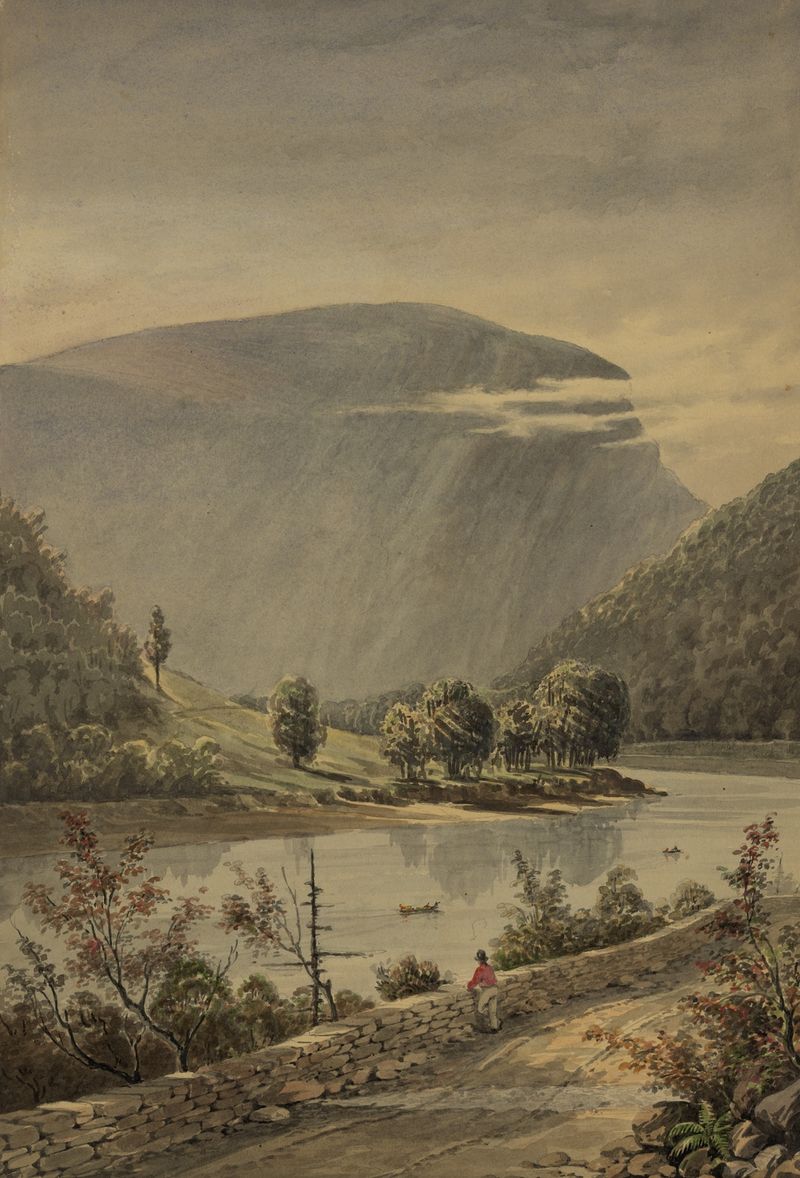
Delaware Water Gap
James Fuller Queen
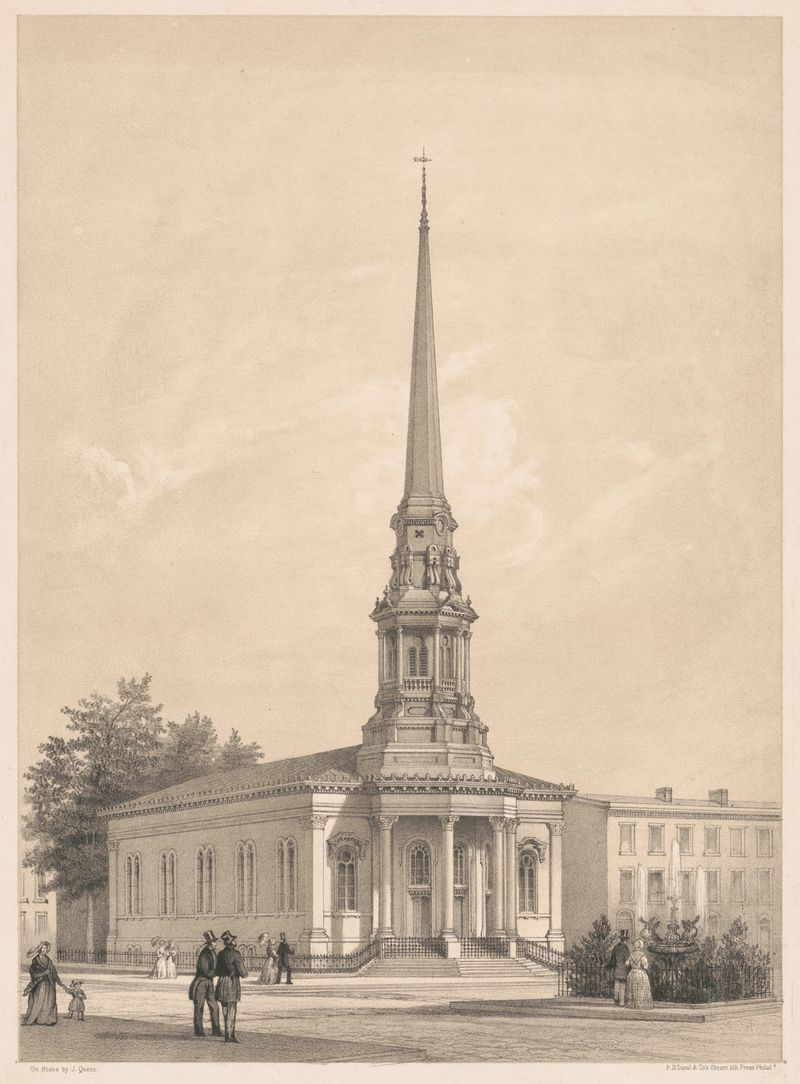
The Fourth Baptist Church, N.W. corner of Fifth & Buttonwood Streets, Philadelphia
James Fuller Queen
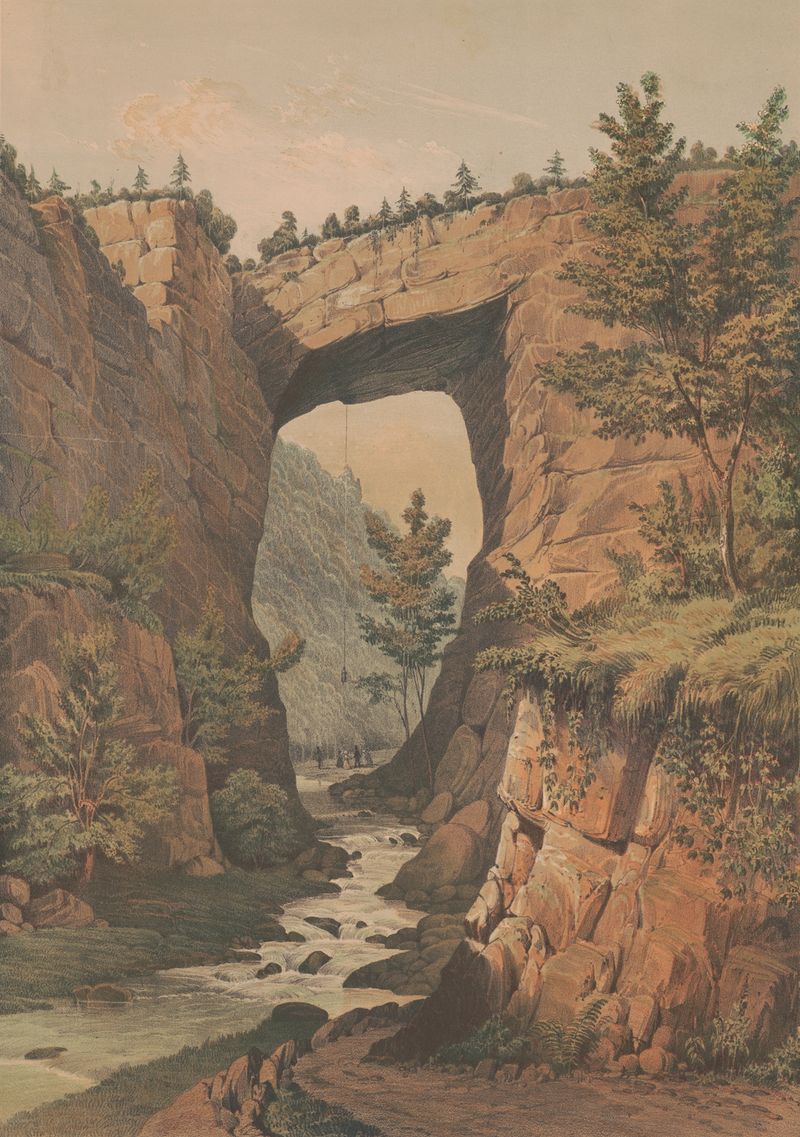
The natural bridge, Rockbridge County, Va. from a sketch by Maj. Ths. H. Williamson
James Fuller Queen
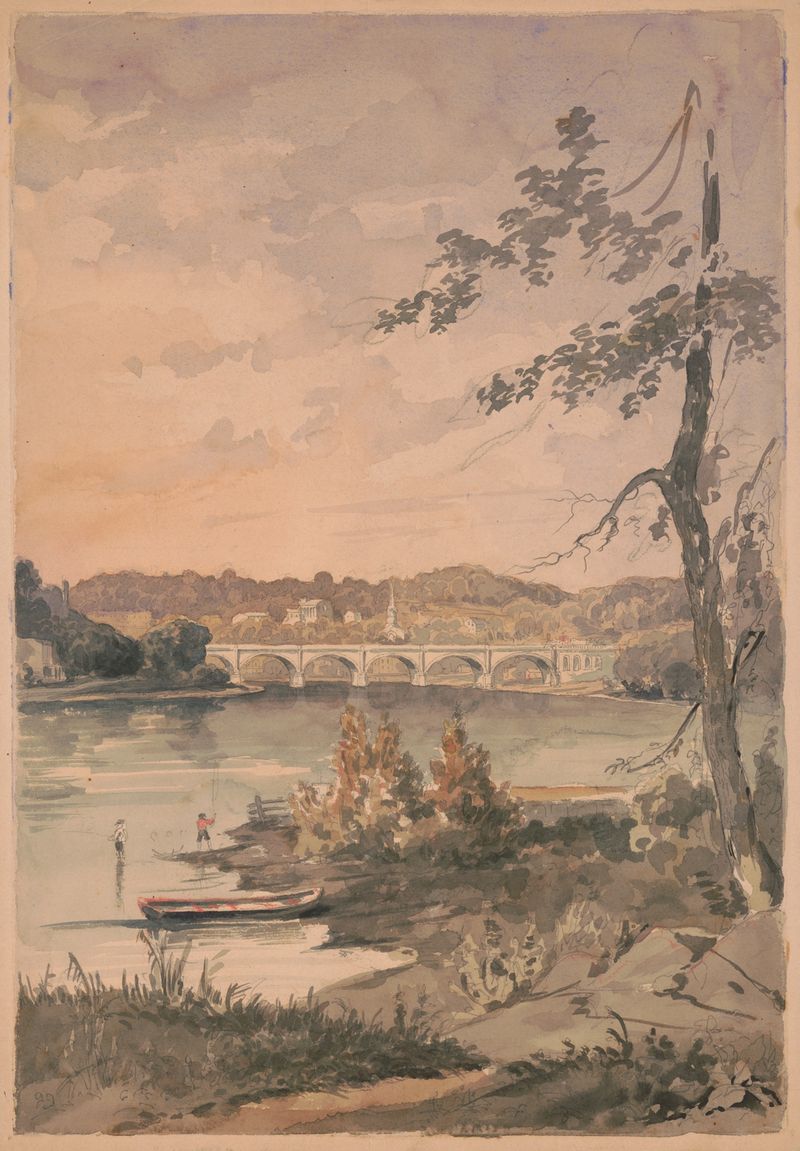
Boys fishing on the banks of the Schuylkill River in Philadelphia
James Fuller Queen

Schuylkill Arsenal at sunset, from across the Schuylkill River, looking west
James Fuller Queen

Explosion of the Alfred Thomas at Easton Pa. March 6th 1860
James Fuller Queen





