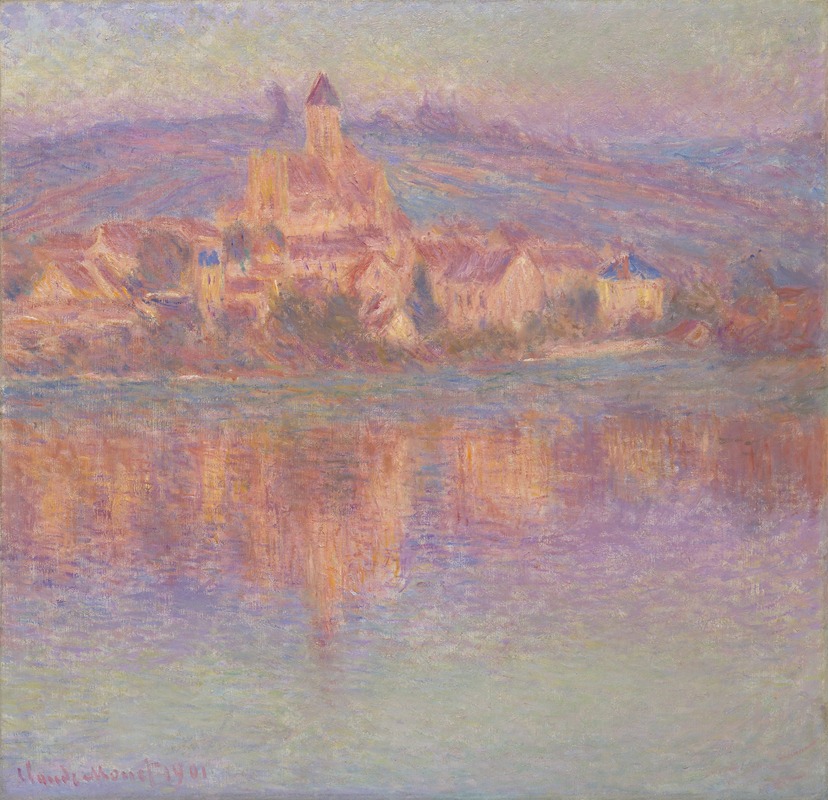
Discover insights about this artwork
Wheat Field — History & Facts
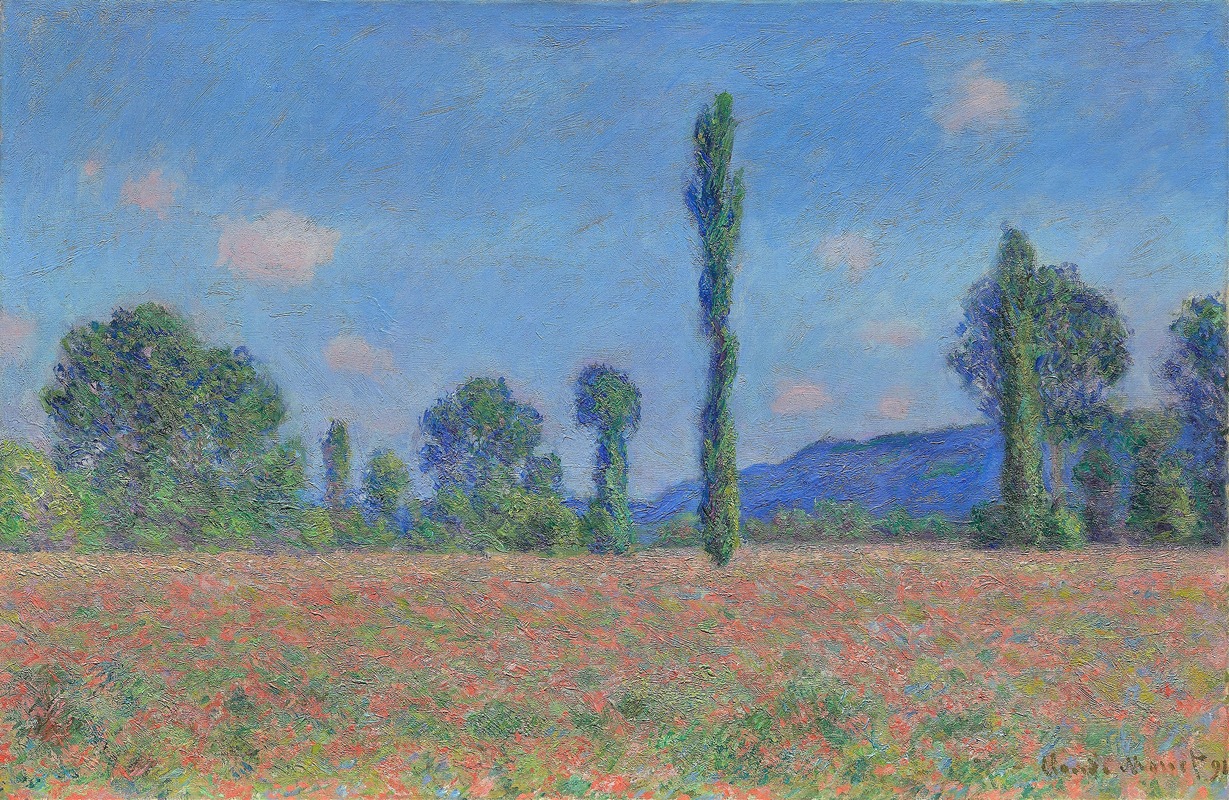
In Wheat Field, Vincent van Gogh captures a vibrant landscape filled with golden wheat swaying in the breeze. The painting is dominated by bright yellows and greens, creating a lively atmosphere. The sky is painted in swirling blues and whites, suggesting movement and energy.
There are no figures present, allowing the viewer to focus on the beauty of the natural world. The painting is executed in oil on canvas, a medium that allows for rich color and texture. Van Gogh's signature brushwork is evident, with thick, expressive strokes that bring the wheat to life. The dimensions of the artwork are approximately 50 x 70 cm, making it a medium-sized piece.
The use of color and form reflects the Post-Impressionist style, emphasizing emotion and personal expression. Vincent van Gogh created Wheat Field during a period when he was deeply inspired by the rural landscapes of France. This work is a testament to his fascination with nature and his emotional response to the environment. An interesting fact about this painting is that it reflects Van Gogh's belief in the connection between the artist and the landscape, as he often painted en plein air to capture the essence of the scene.
Today, this artwork is housed in the Van Gogh Museum in Amsterdam.
More Artworks by Vincent van Gogh
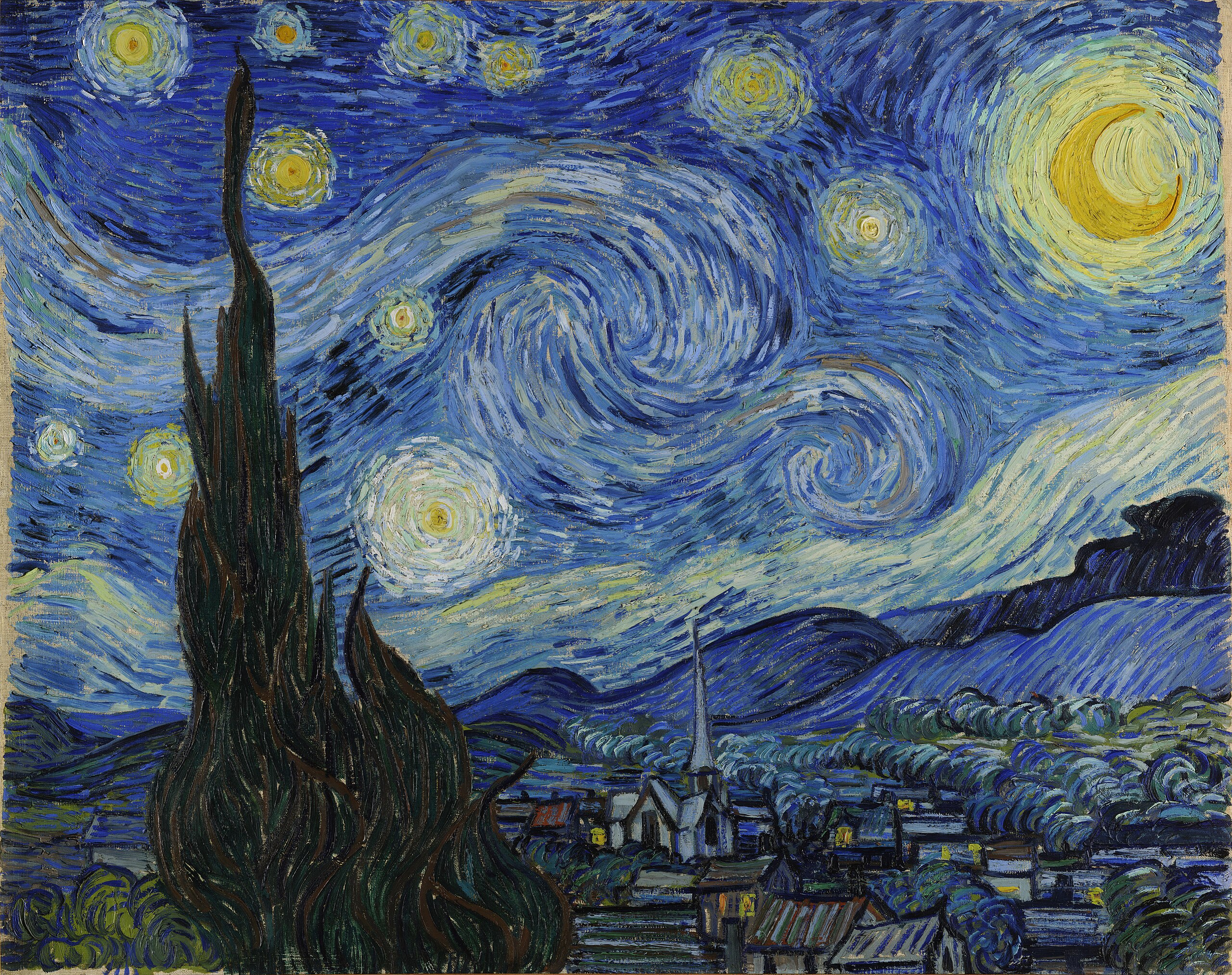
Starry Night
Vincent van Gogh
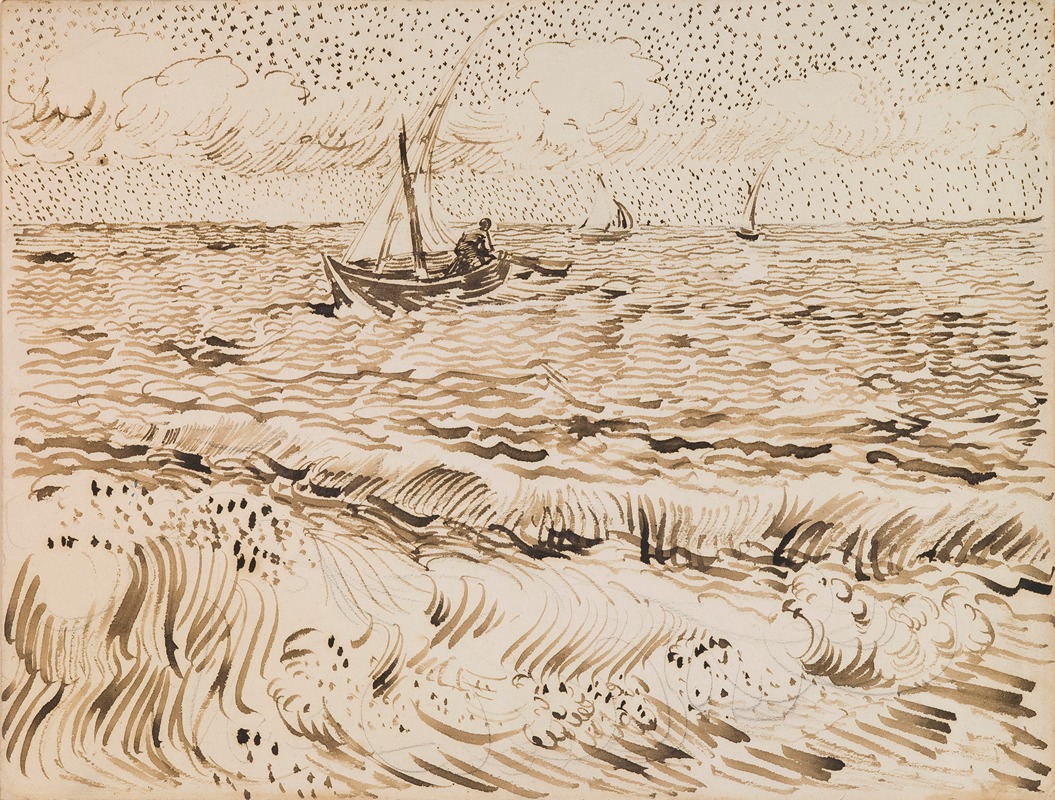
Fishing Boats at Saintes-Maries-de-la-Mer
Vincent van Gogh
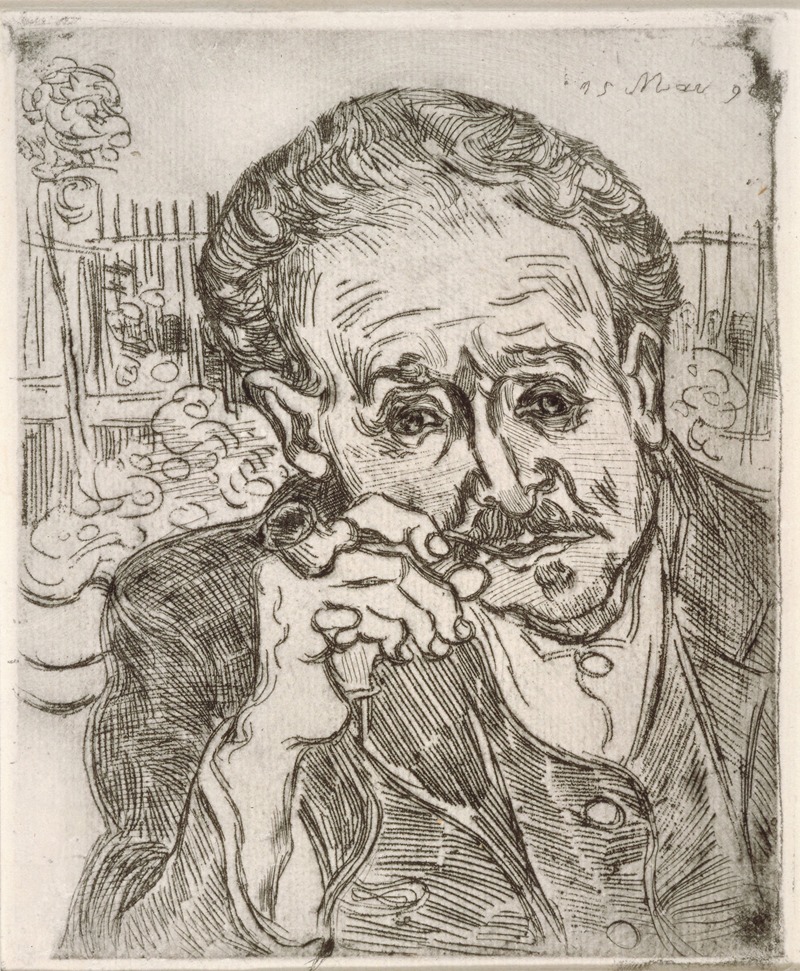
Portrait of Dr. Gachet (Auvers-sur-Oise)
Vincent van Gogh
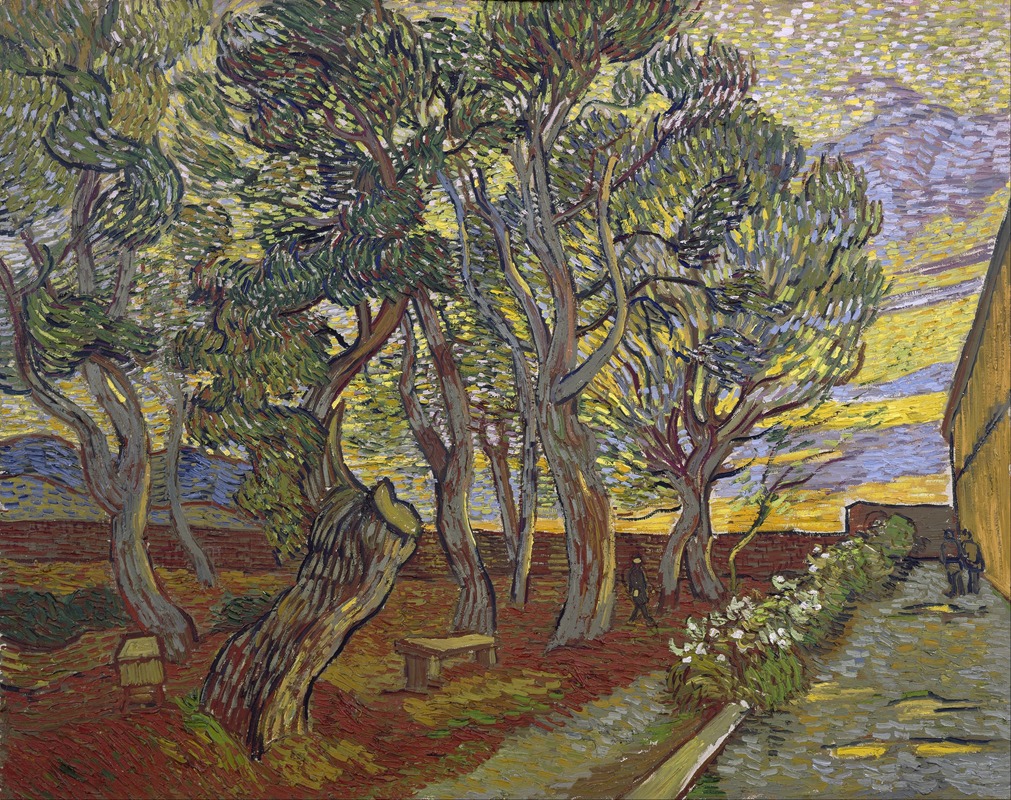
The garden of Saint Paul’s Hospital
Vincent van Gogh
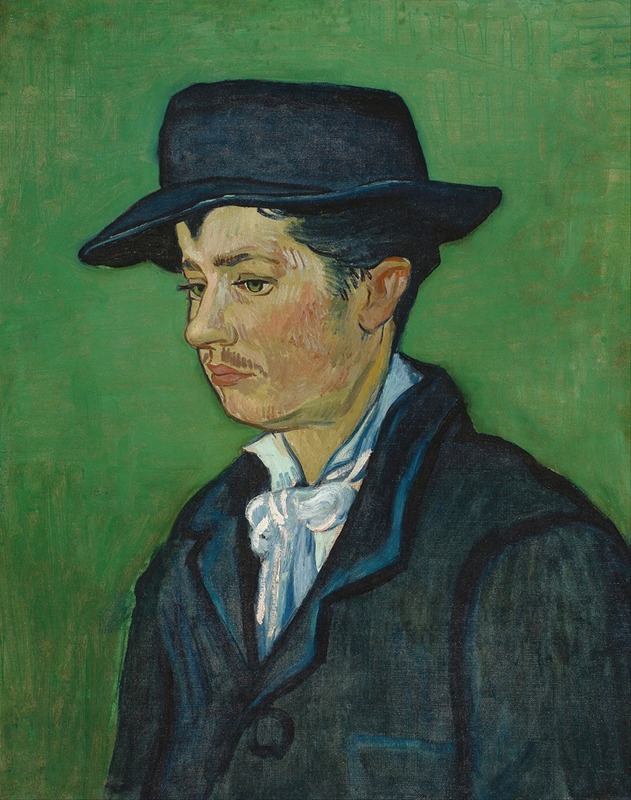
Portrait Of Armand Roulin
Vincent van Gogh
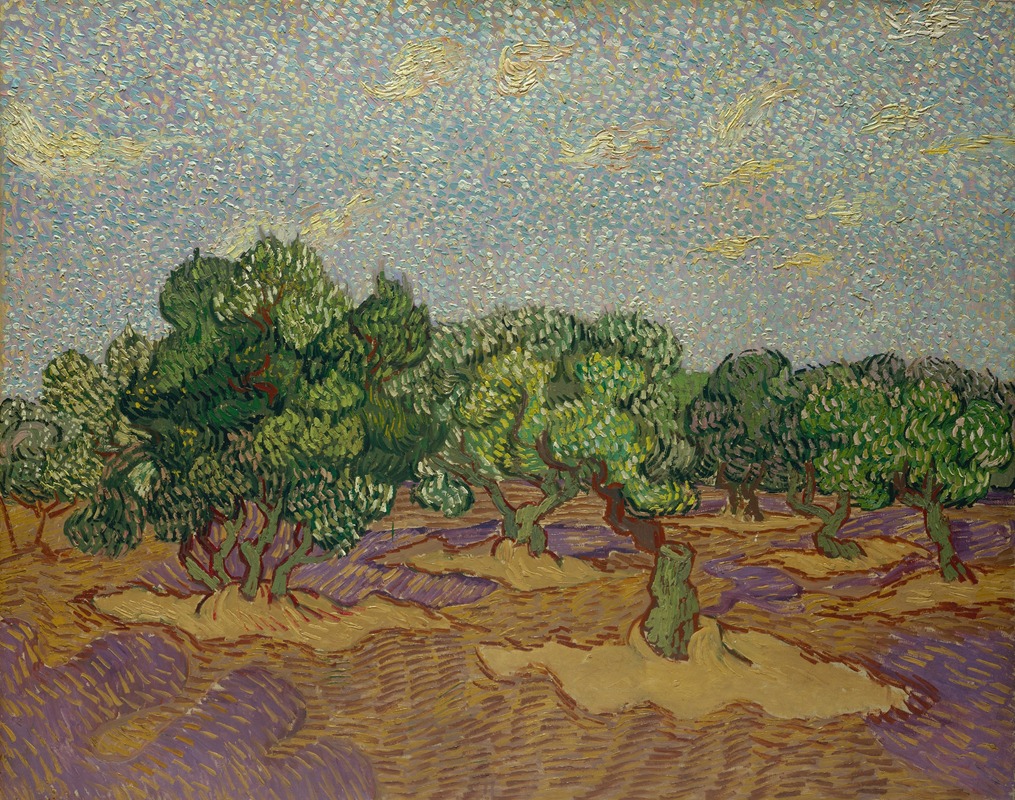
Olive Trees
Vincent van Gogh
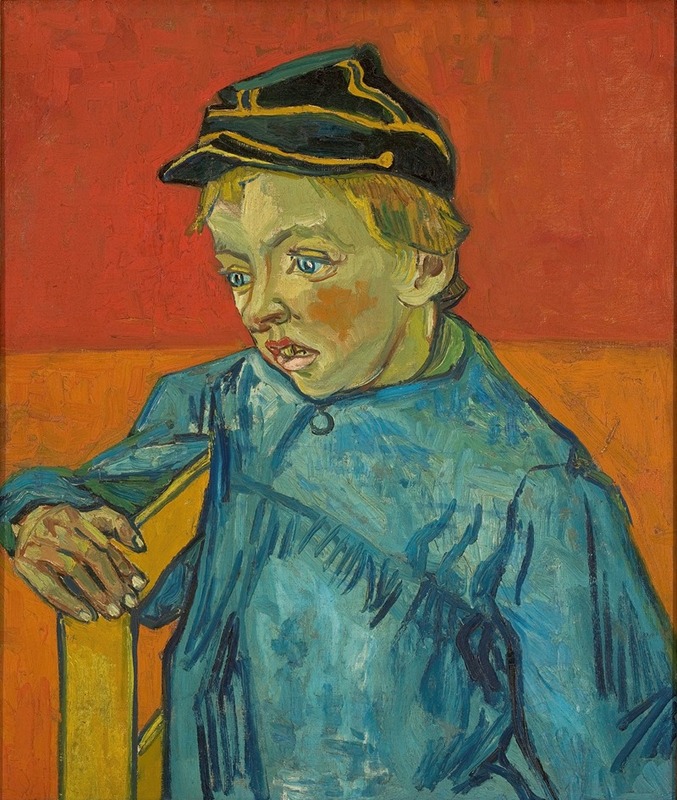
The Schoolboy (Camille Roulin)
Vincent van Gogh
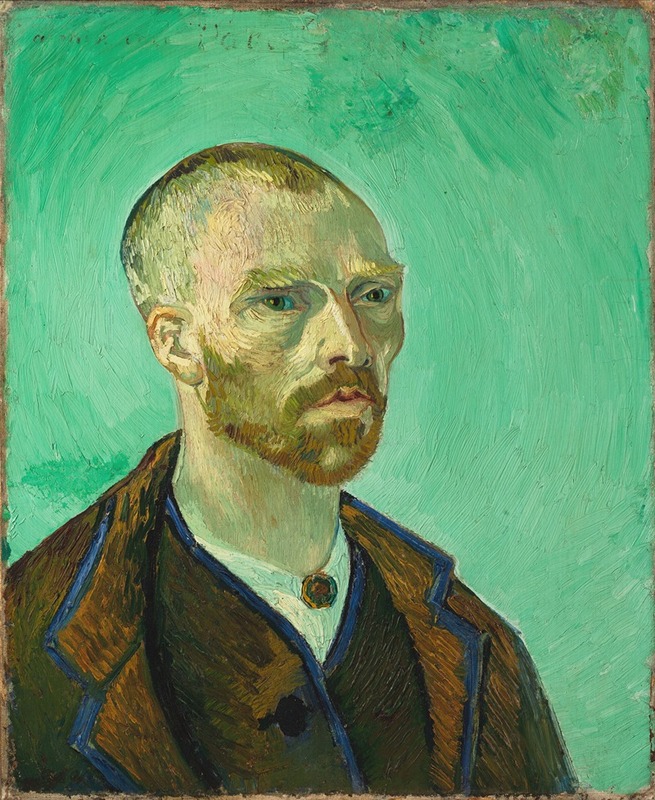
Self Portrait (dedicated to Paul Gauguin)
Vincent van Gogh
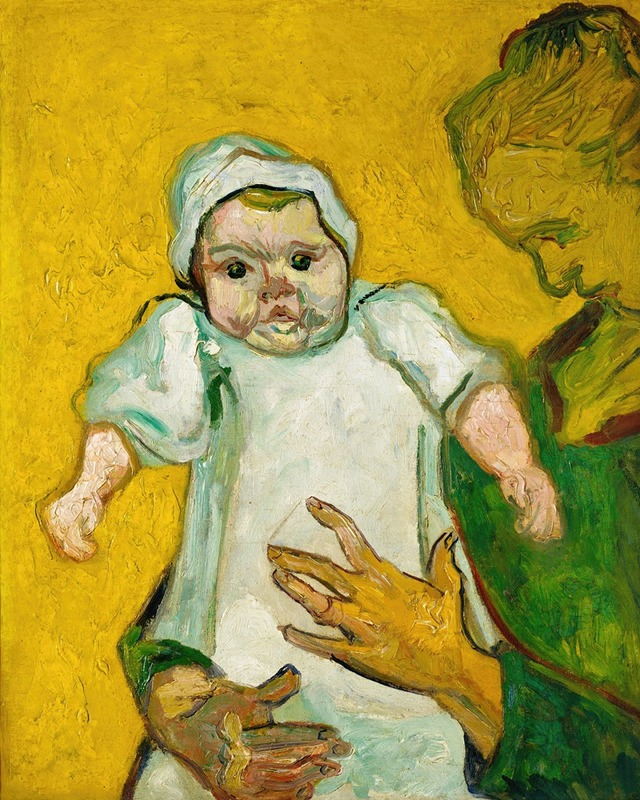
Madame Roulin and Her Baby
Vincent van Gogh
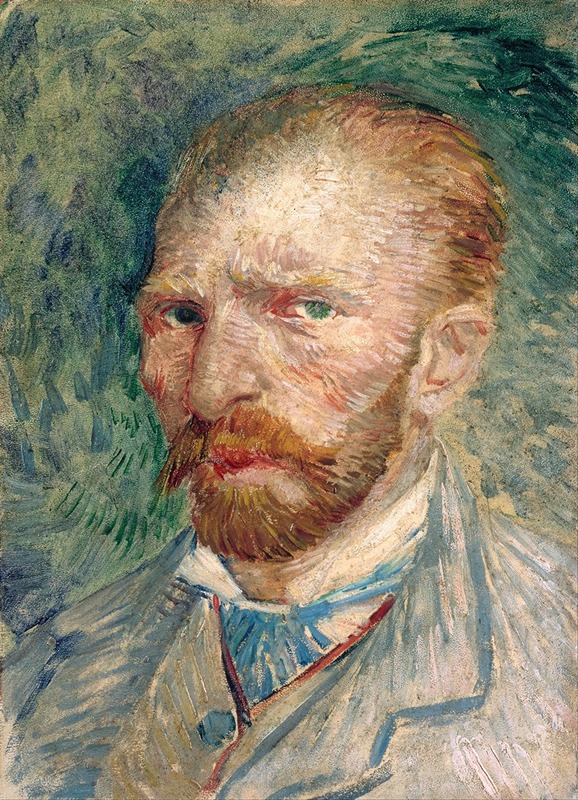
Self-Portrait
Vincent van Gogh