
Whitby — History & Facts
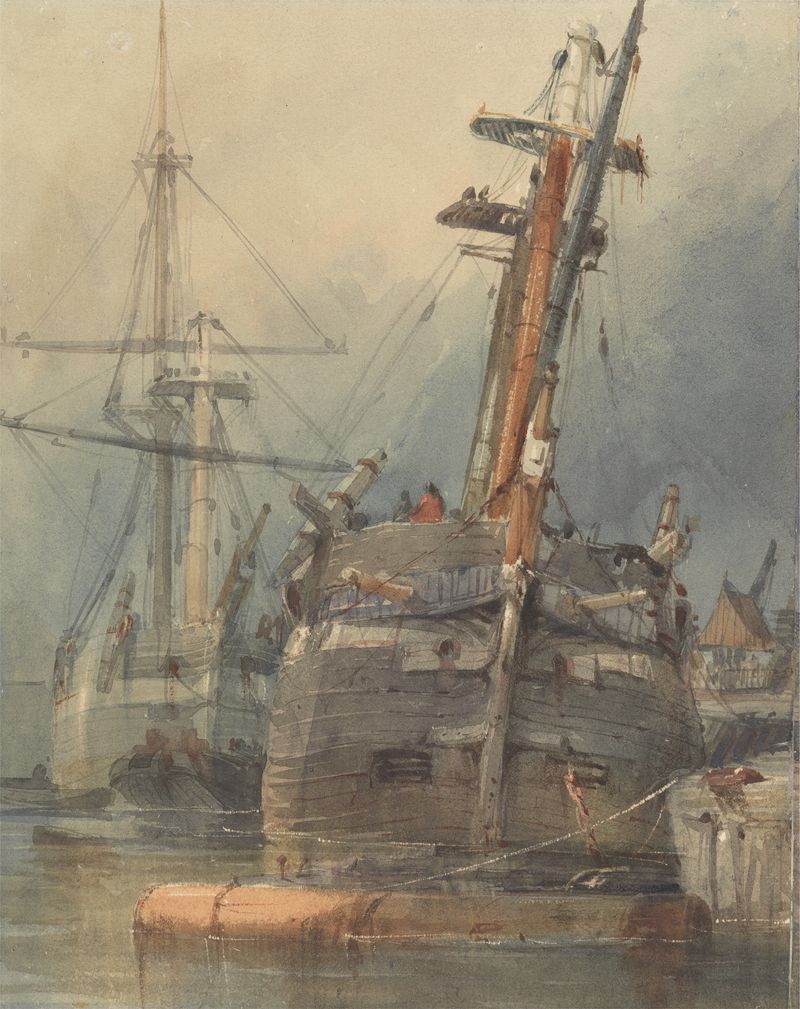
Can paint confess what words never could? In a single frame, the depth of emotion can awaken a myriad of untold stories and silent yearnings. Look closely at the sweeping landscape, where vibrant strokes of azure and emerald converge at the horizon. The artist’s brush captures the gentle undulation of the hills and the shimmering waves of the sea, inviting your gaze to traverse the canvas. Notice how the light dapples the scene, a masterful play between shadow and brightness that conjures a feeling of serene introspection.
The balance of composition draws us into a world both familiar and dreamlike, anchored by a palpable atmosphere of tranquility. Yet, within this picturesque vista lies a deeper resonance; the juxtaposition of man and nature evokes a poignant reflection on human fragility against the vastness of the world. The distant ships, seemingly small against the expanse of ocean, symbolize the aspirations and struggles of life—a reminder of journeys embarked upon and the unknown that lies ahead. The soft hues of dawn creep into the scene, suggesting not only a new day but also the hope and potential that comes with awakening. In 1833, while working in a rapidly changing art world, the artist found himself immersed in the Romantic movement, which sought to express emotion and the sublime beauty of nature.
This period marked a turning point in Bentley's career as he explored the interplay of light and landscape. Influenced by the beauty of the English coast, Whitby captures both a personal and collective yearning for connection with the natural world, echoing a transformative moment in his life and art.
More Artworks by Charles Bentley
Browse all →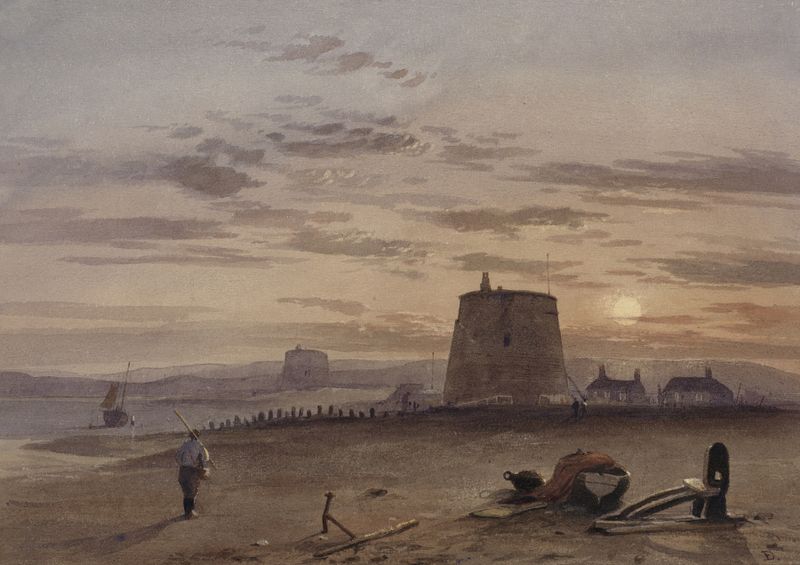
Martello Tower at St. Leonards against setting sun
Charles Bentley

View on the Coast at Deal
Charles Bentley
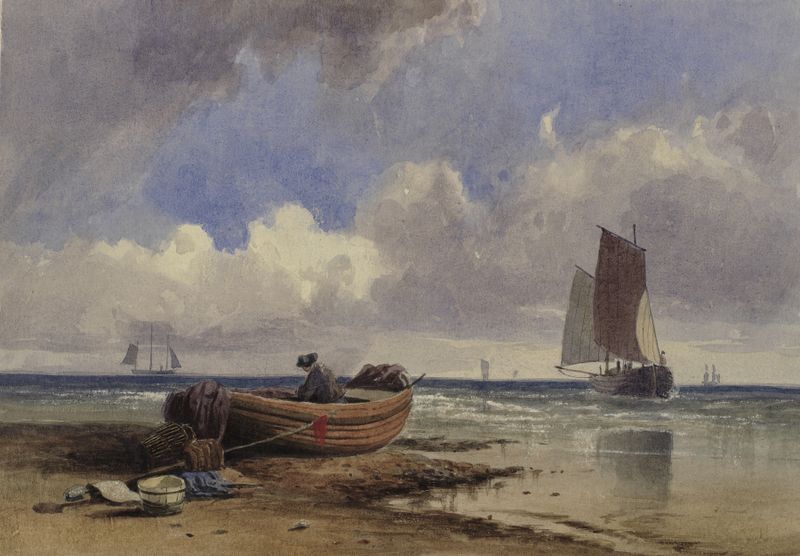
Fishing boat on the shore at Hastings
Charles Bentley
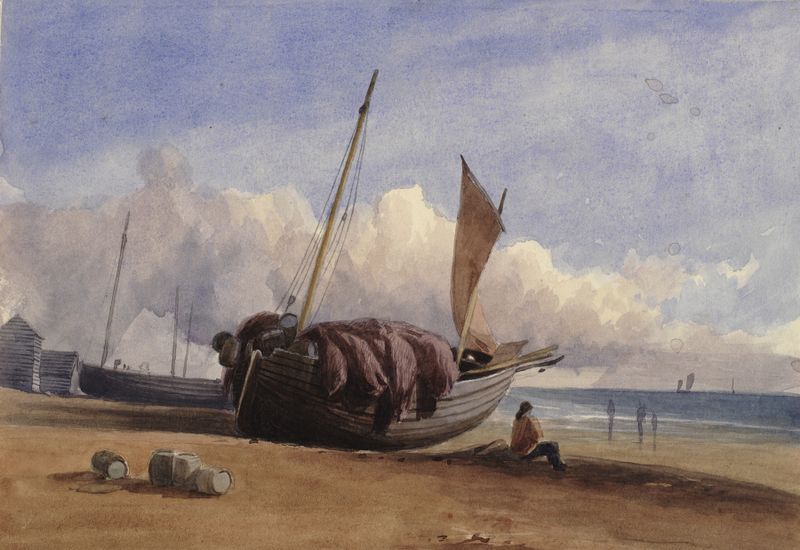
Beached fishing boat with seated fisherman
Charles Bentley
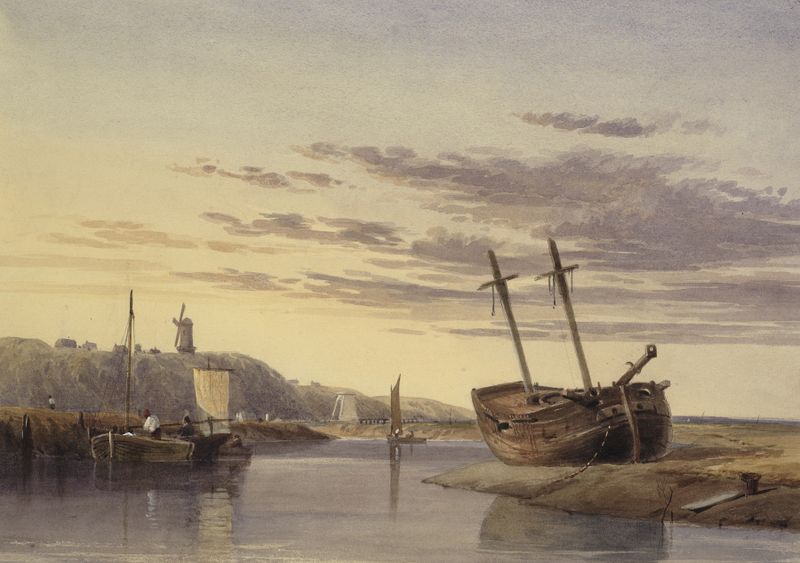
Fishing boats in Rye Harbour, with a windmill in the distance
Charles Bentley
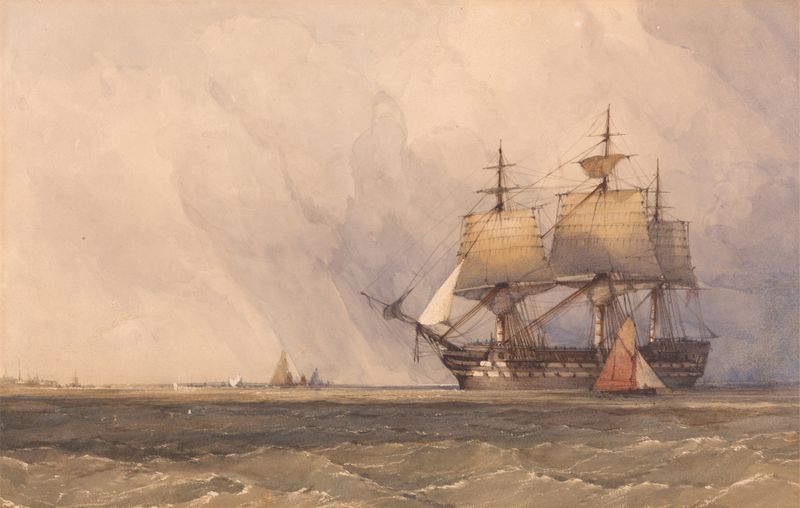
Coast Scene with Shipping
Charles Bentley
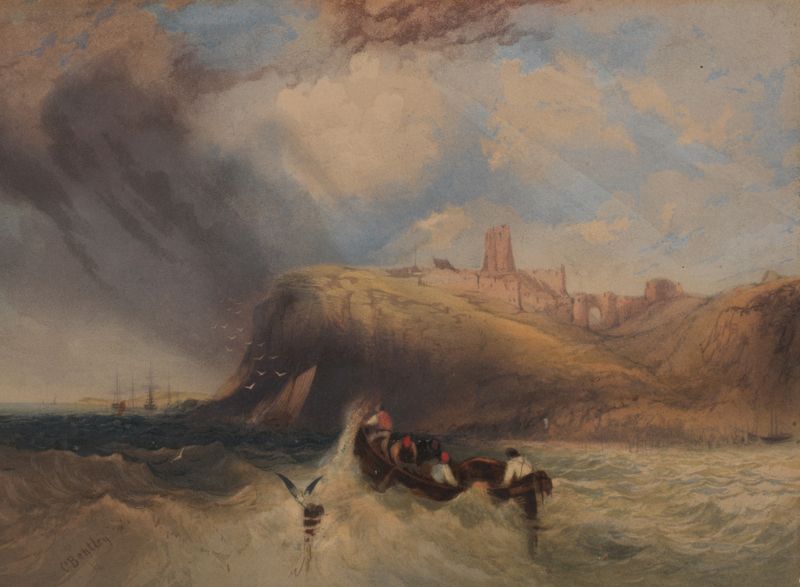
Seascape
Charles Bentley
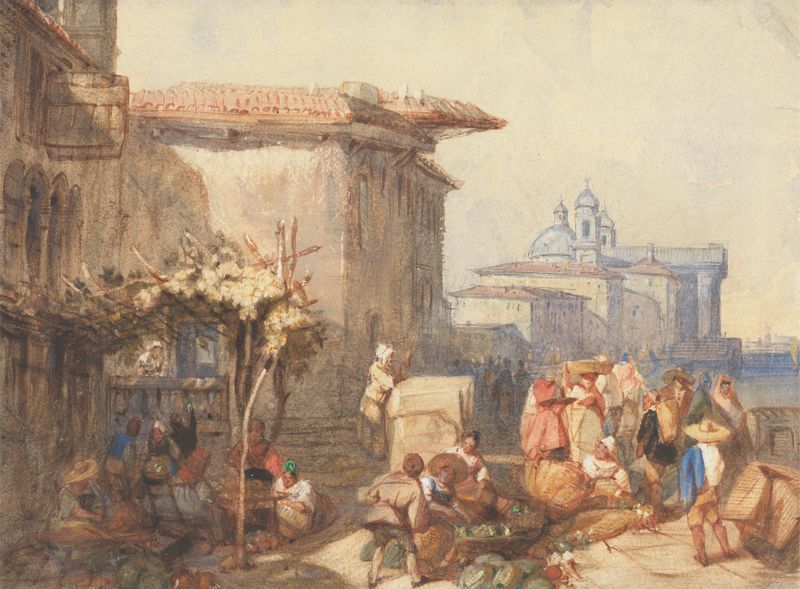
A Market Scene in Venice
Charles Bentley
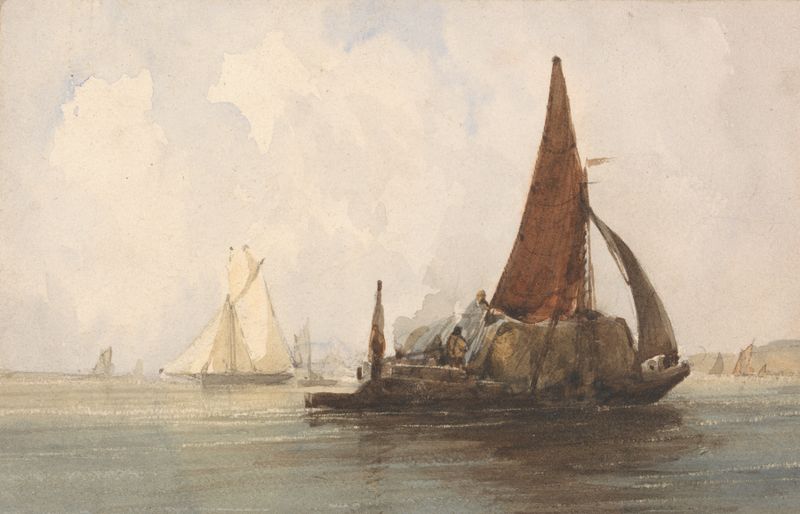
Hay Barge in a Calm Sea
Charles Bentley
Old Men O’War
Charles Bentley





