
White Mantilla (La Señorita) — History & Facts
What first draws the eye in White Mantilla (La Señorita) is the delicate interplay between the sitter’s modesty and quiet confidence, all wrapped in the luminous folds of her lace mantilla. The lace itself is a marvel—each thread painted with such care that it seems almost tangible, its floral patterns casting gentle shadows on her skin. Her arms are crossed, a gesture that closes her off just enough to invite curiosity, while her faint smile and the subtle blush on her cheeks hint at a private amusement.
The flowers tucked into her dark hair, paired with the ornate comb, speak of ceremony or festivity, yet the plain, pale background keeps her grounded in the present moment. Light falls softly from the left, illuminating her face and the intricate textures of the lace, while the golden yellow of her skirt adds a quiet warmth that balances the coolness of the whites and greys. Painted in 1878, this work belongs to a period when European artists were captivated by the allure of Spanish costume and custom, often painting portraits that celebrated local traditions or imagined scenes of everyday life. The mantilla—an emblem of Spanish femininity—was a favorite subject for artists seeking to capture both national character and the play of light on fabric.
Albert Edelfelt, a Finnish painter working in Paris, would have encountered this genre as part of the broader 19th-century fascination with regional dress and identity. History has kept few traces of this particular sitter or the circumstances of the painting’s creation, but the work’s presence in a modern collection reminds us how painters like Edelfelt used portraiture to bridge cultures and capture fleeting expressions. The viewer is left to wonder what story lies behind the sitter’s composed gaze, and to linger over the shimmering veil that both conceals and reveals.
More Artworks by Albert Edelfelt

The Day of Rest
Albert Edelfelt
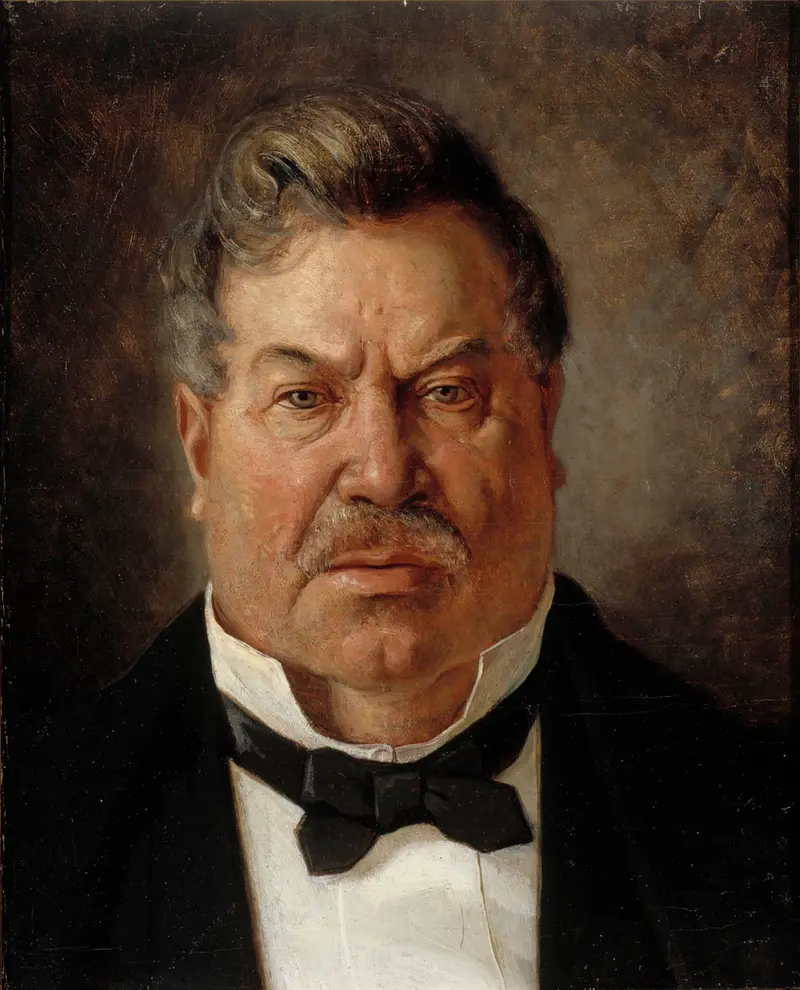
Portrait of August Streng
Albert Edelfelt
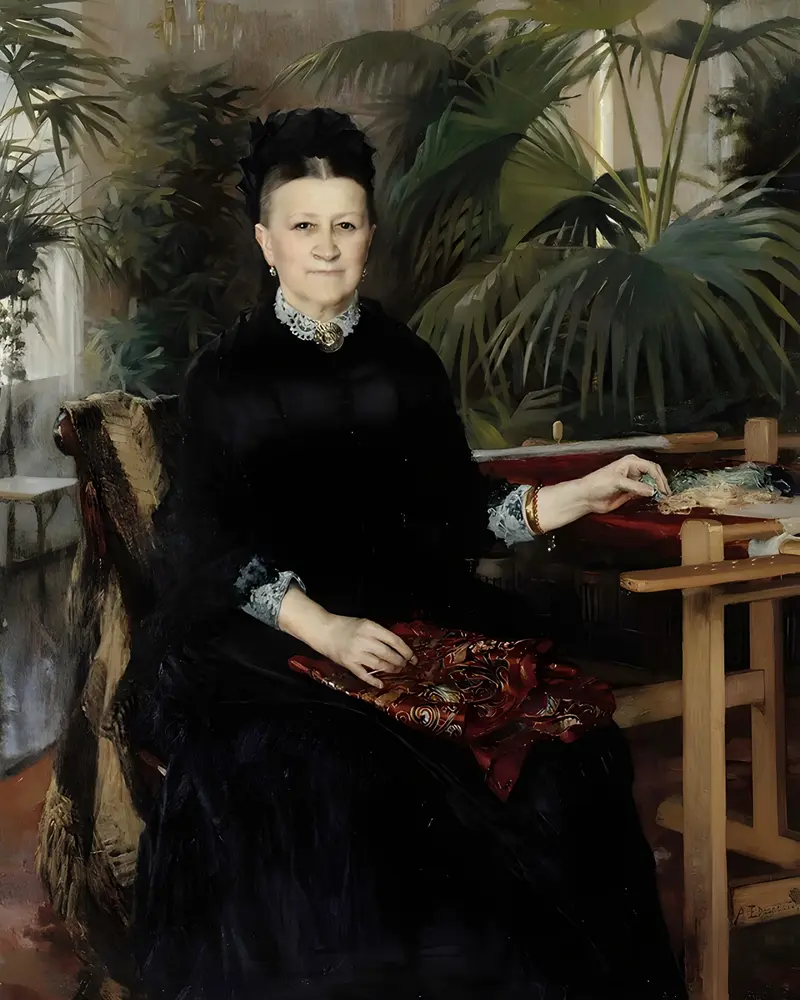
Portrait Of Mrs. Anna Sinebrychoff
Albert Edelfelt

The Poet, Larin Paraske
Albert Edelfelt

Parisian lady in a Peignoir
Albert Edelfelt
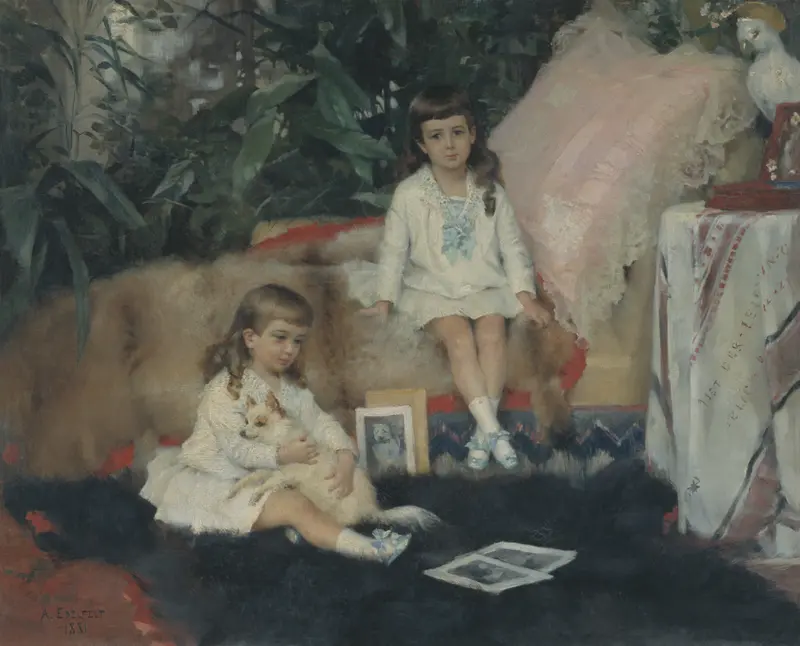
The Grand Dukes Boris and Kirill Vladimirovich as Children
Albert Edelfelt
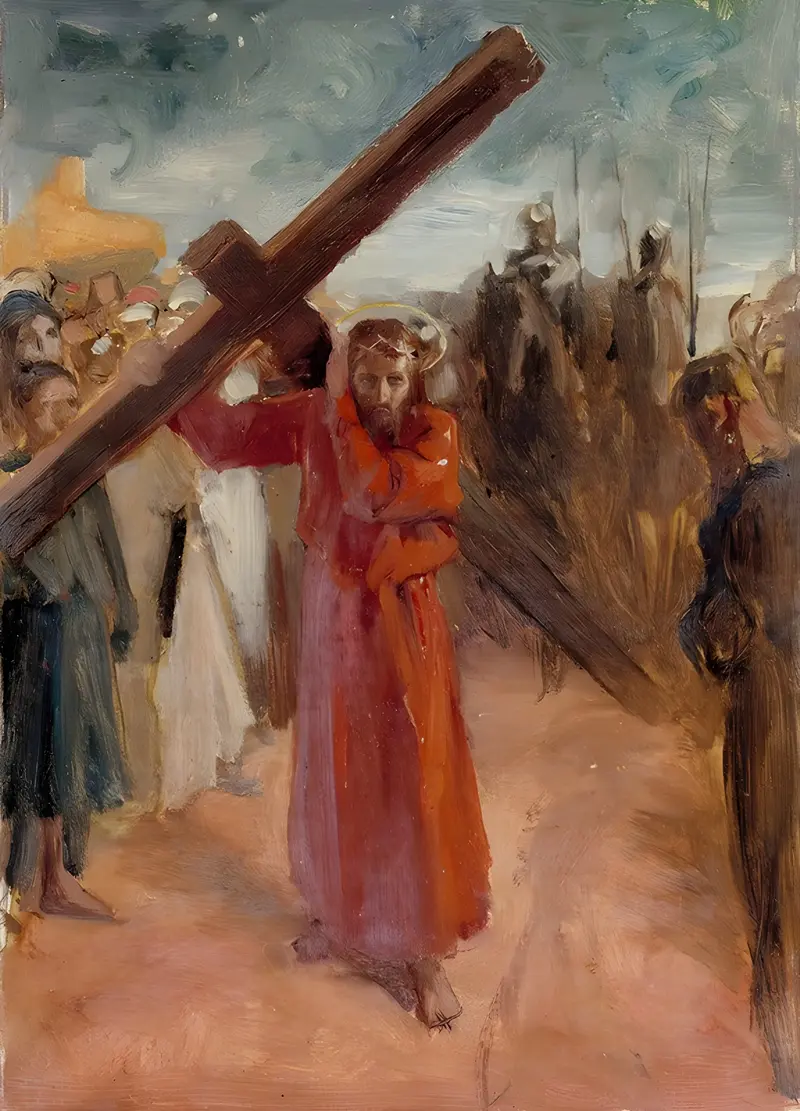
Christ Bears The Cross
Albert Edelfelt
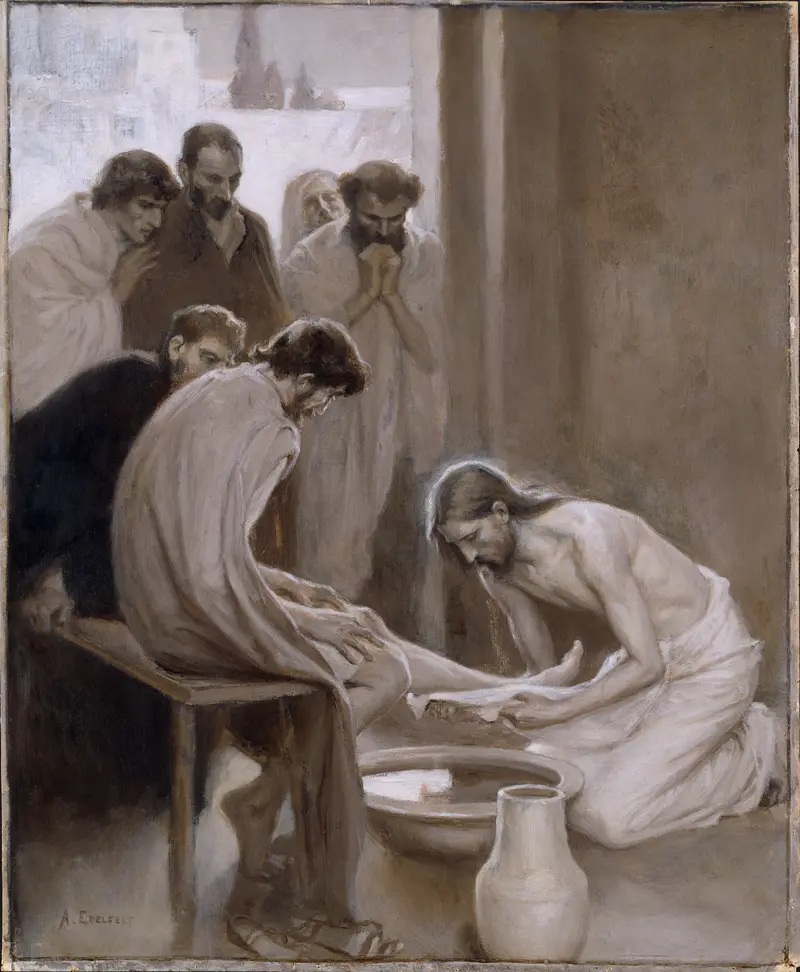
Jesus Washing the Feet of his Disciples
Albert Edelfelt

Larin Paraske with Kantele
Albert Edelfelt
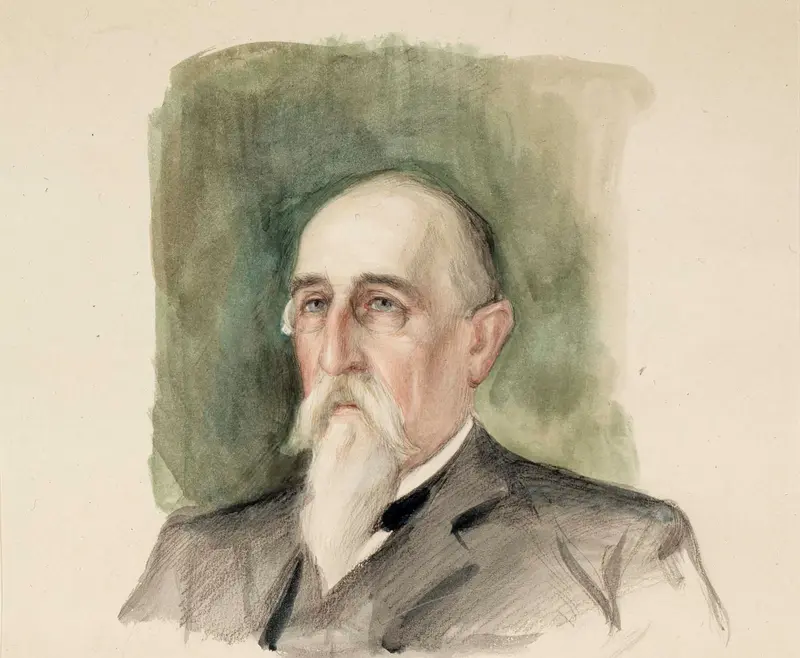
Leo Mechelin, Portrait Study
Albert Edelfelt





