
Wildbach — History & Facts
In the quiet of Wildbach, a deceptive beauty unfolds, inviting contemplation of nature’s intricate illusions and the whispers of solitude. Look to the center of the canvas, where a tranquil stream winds its way through a dense thicket of trees, their leaves a mosaic of greens and golds. The painter’s deft brushwork creates a shimmering effect on the water's surface, reflecting the dappled light filtering through the canopy. Notice the subtle play of shadows beneath the branches, which contrasts with the vibrant hues of the foliage, drawing the eye into the depths of the scene.
The composition is balanced yet dynamic, encapsulating a moment that feels both timeless and fleeting. Delve deeper into the lush landscape, and you’ll uncover the emotional undercurrents that pulse beneath the surface. The tension between light and dark suggests a duality of tranquility and unease, as if the serenity of nature masks unspoken truths. The careful placement of the rocks and water evokes an illusion of movement, challenging the viewer to consider the impermanence of what seems steadfast.
Each detail, from the gentle ripple of the stream to the intricate texture of the bark, serves as a reminder that beauty often conceals complexity. In 1870, the artist created Wildbach during a transformative period in art history, marked by the rise of realism and a burgeoning appreciation for the natural world. Living in Germany at the time, Russ was influenced by the Romantic movement, which sought to express the sublime aspects of nature. His focus on the interplay of light and shadow reflects contemporary artistic explorations, capturing a moment in time that resonates with the viewer’s own introspections.
More Artworks by Robert Russ
Browse all →
Helgoland
Robert Russ
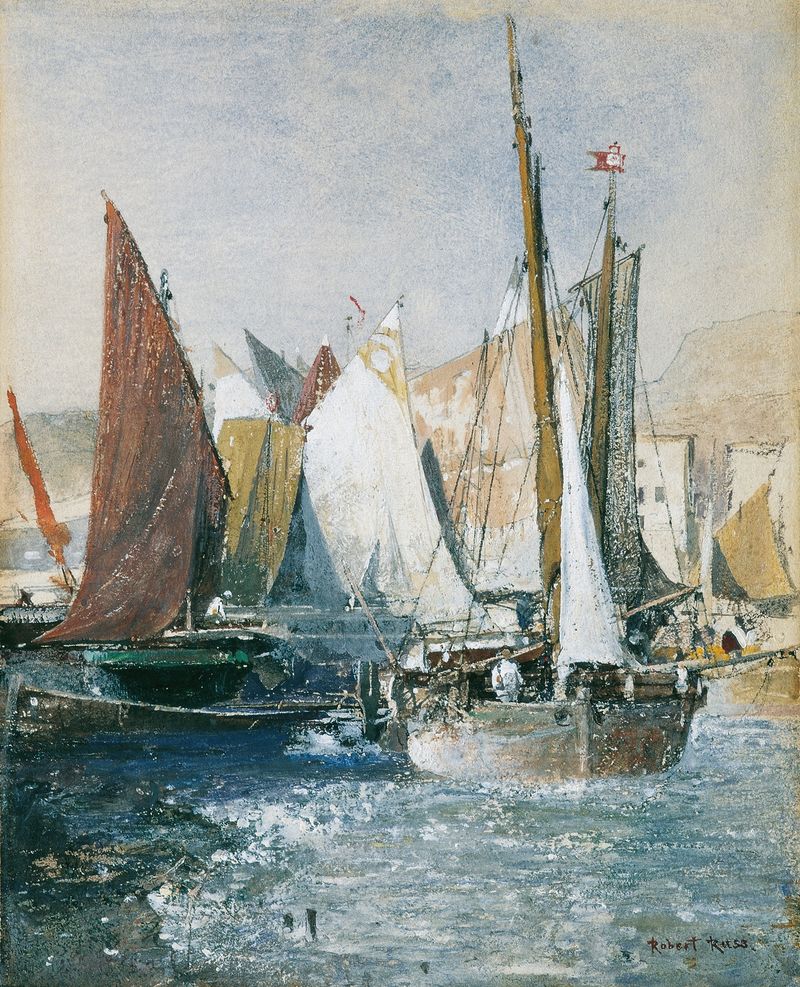
Segelboote
Robert Russ
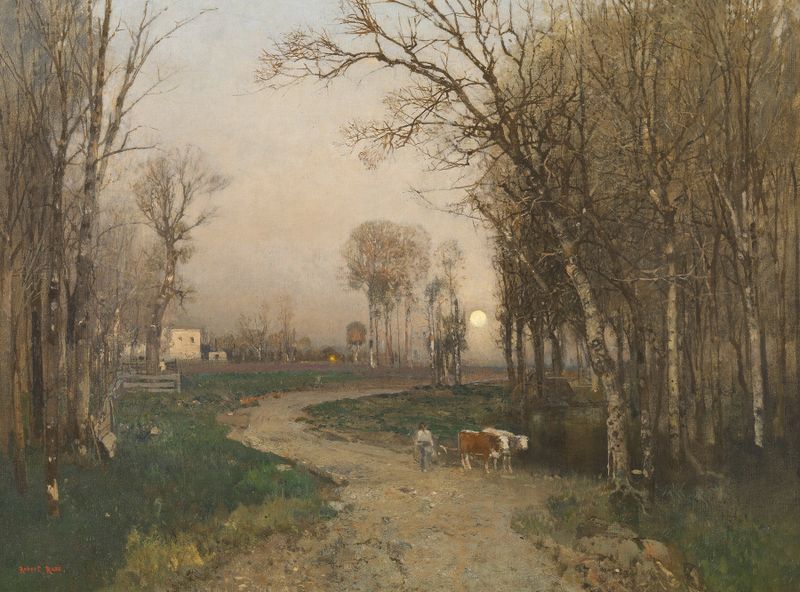
Penzinger Au
Robert Russ

Aus Dürnstein
Robert Russ

Lake Garda, Arco
Robert Russ

Partie aus dem Val Lagarina
Robert Russ

The Harbour of Riva on Lake Garda
Robert Russ

Punta San Vigilio, Lago di Garda
Robert Russ
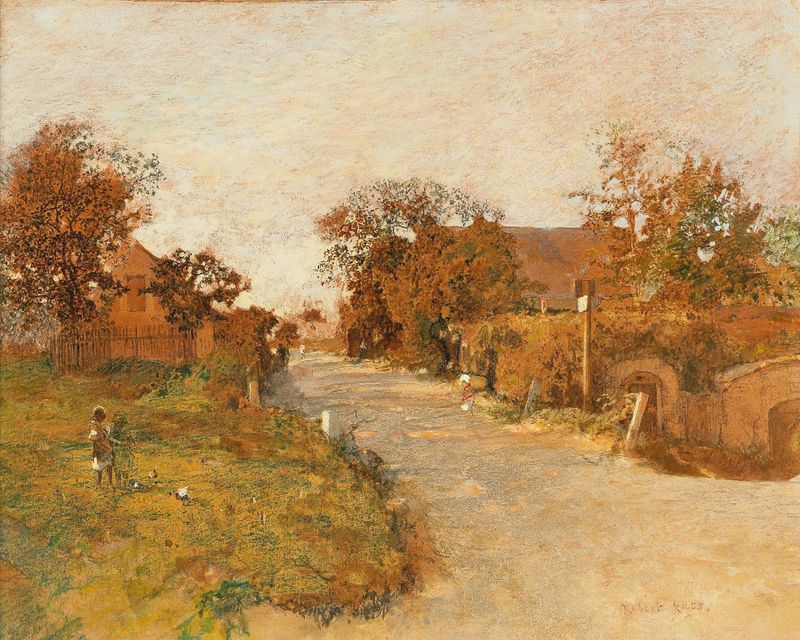
Tierstudie – Motiv aus Feldsberg
Robert Russ

Hof der Fürstenburg in Burgeis
Robert Russ





