Wildberg, factory — History & Facts
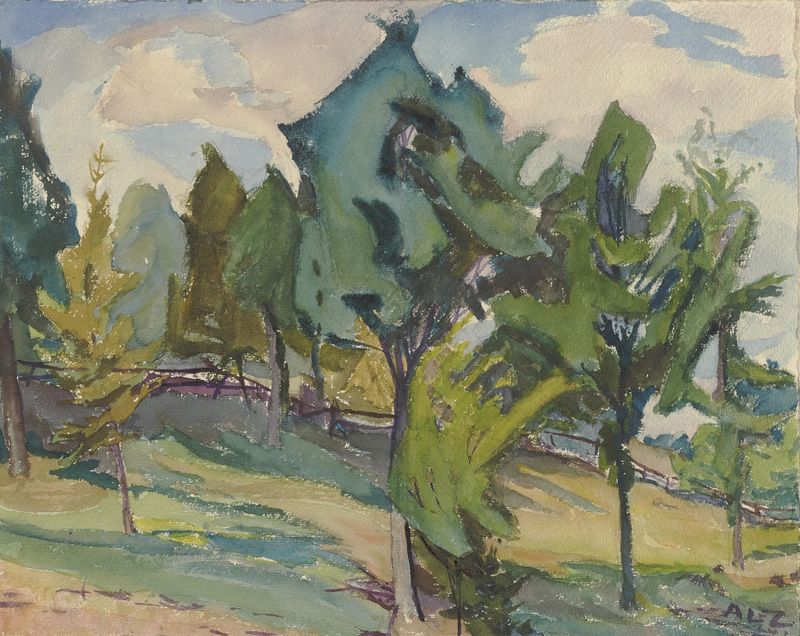
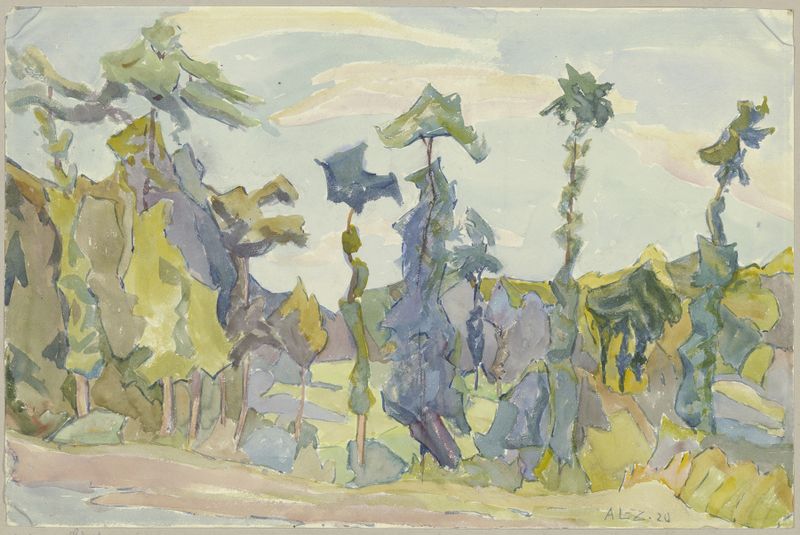
Could a single brushstroke hold eternity? In the intricate dance of color and form, we find ourselves face to face with the weight of betrayal, whispering its painful truths through the canvas. Look to the left at the sprawling factory, its stark lines and industrial edges cutting through the softness of the landscape. The muted palette evokes a sense of melancholy, where shades of grey blend seamlessly with hints of ochre and deep green. Notice how the light plays across the surface, illuminating some areas while casting shadows on others, creating a stark contrast that mirrors the dissonance between nature and industry. Hidden within this composition lies a tension between progress and loss.
The factory stands as a testament to human ambition, yet its presence intrudes upon the serene beauty of the wild landscape. A lone figure, almost swallowed by the enormity of their surroundings, embodies the isolation that often accompanies the pursuit of advancement. Each brushstroke carries an emotional weight, suggesting the betrayal of nature in the name of industry.
The viewer senses an unspoken dialogue about sacrifice, evoking questions of what is gained and what is irretrievably lost. In 1923, the artist grappled with the upheaval of a post-war society, where industrialization was rapidly transforming landscapes and lives alike. As Europe struggled to rebuild, the burgeoning movement towards modernism influenced many artists, prompting them to confront the often conflicting narratives of progress and nostalgia. This piece reflects not only the artist's personal journey but also the larger discourse of an era marked by tension, transformation, and an evolving relationship with the natural world.