
William Morse Cole (1866-1960) — History & Facts
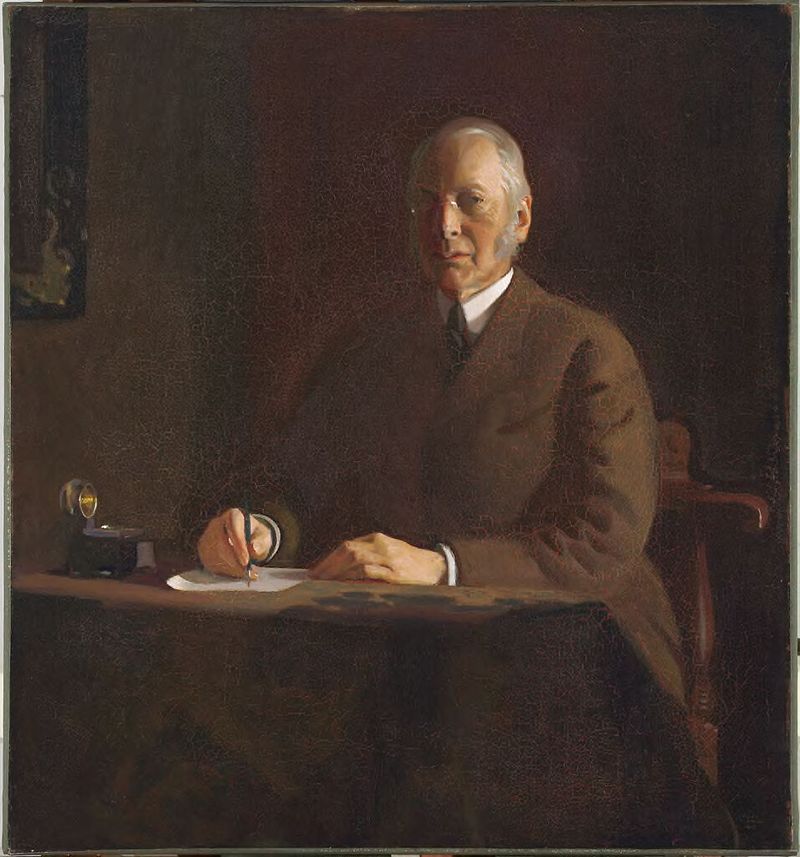
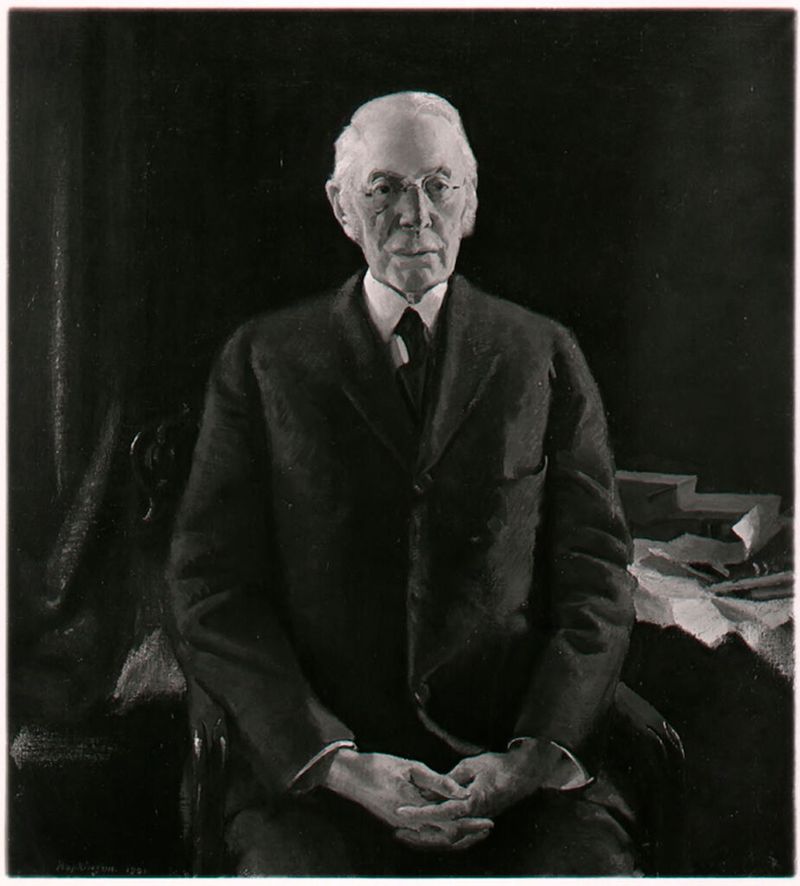
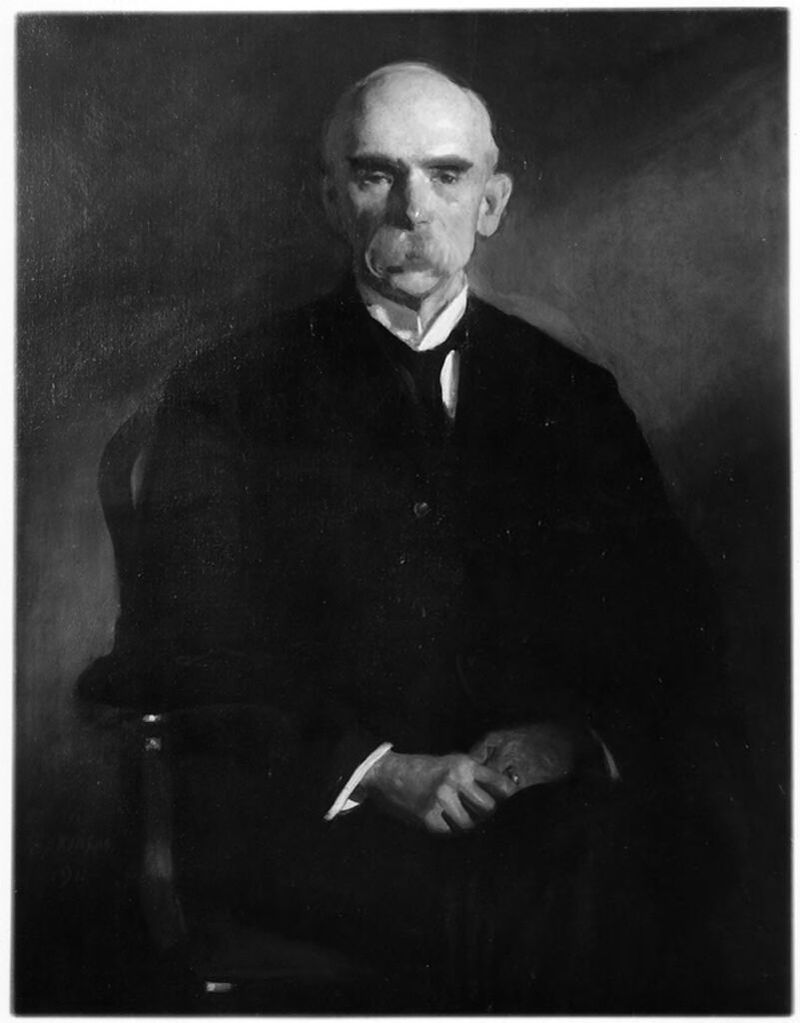
In the quiet intimacy of a portrait, innocence finds its voice, unfurling like a gentle whisper in a cacophonous world. Look closely at the figure in the center, where the soft contours of the face reflect a delicate vulnerability. Notice how the artist employs a palette of muted earth tones, blending warm browns and soft creams that evoke a sense of familiarity and home. The light gently caresses the subject’s features, illuminating their eyes, which hold a depth of emotion, inviting the viewer to share in their unspoken thoughts. Beneath the surface lies a complex interplay of innocence and experience.
The slight tilt of the head suggests a moment of introspection, perhaps caught between childhood and the looming responsibilities of adulthood. The subtle tensions in the posture convey a sense of both hope and apprehension, highlighting the fragility of innocence. The background remains deliberately understated, allowing the viewer to focus solely on the subject, emphasizing their significance in a world that often overlooks the purity of such moments. In 1934, Charles Sydney Hopkinson created this portrait during a period marked by the Great Depression, when artists sought to capture the human condition amidst societal upheaval.
Living in Boston, he focused on portraiture as a means to explore individuality against the backdrop of collective hardship. His work resonated with the era’s longing for connection, reflecting the innocence and complexity of the human spirit.
More Artworks by Charles Sydney Hopkinson
Browse all →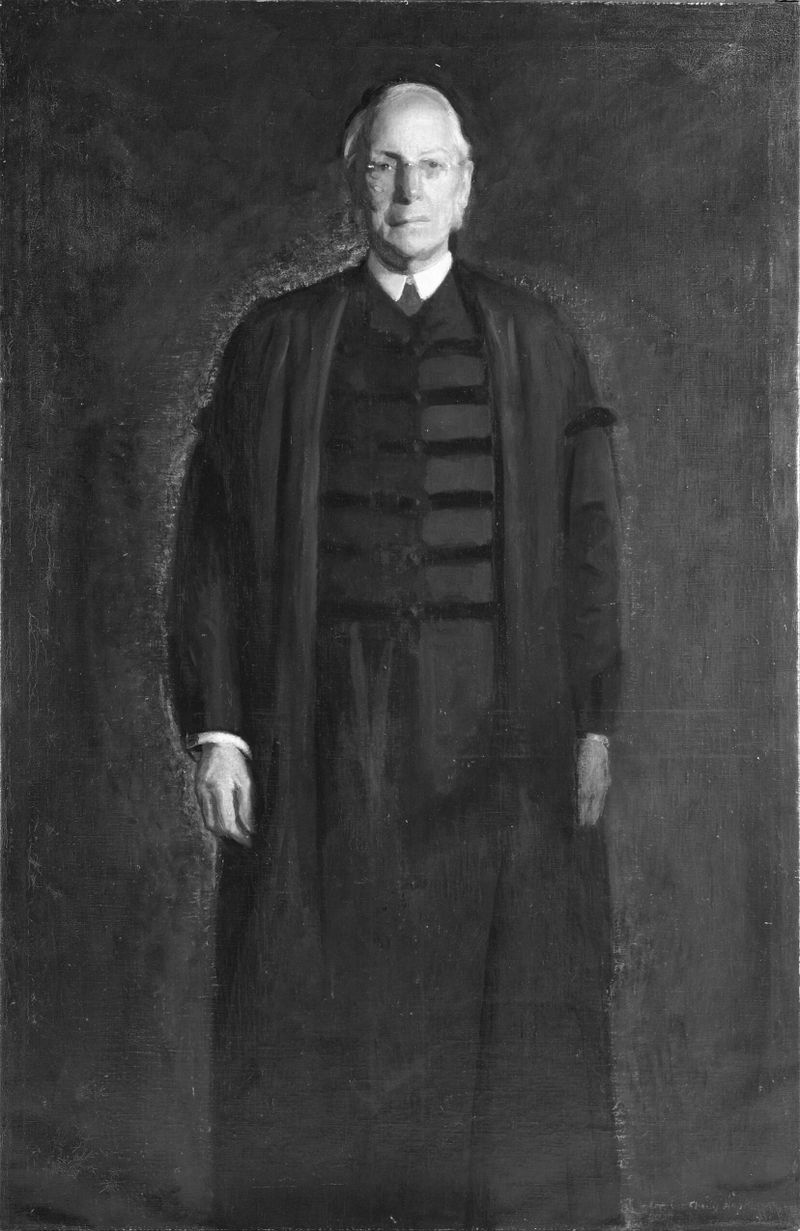
Charles William Eliot (1834-1926)
Charles Sydney Hopkinson
Charles William Eliot (1834-1926)
Charles Sydney Hopkinson
Charles William Eliot (1834-1926)
Charles Sydney Hopkinson
George Herbert Palmer (1842-1933)
Charles Sydney Hopkinson
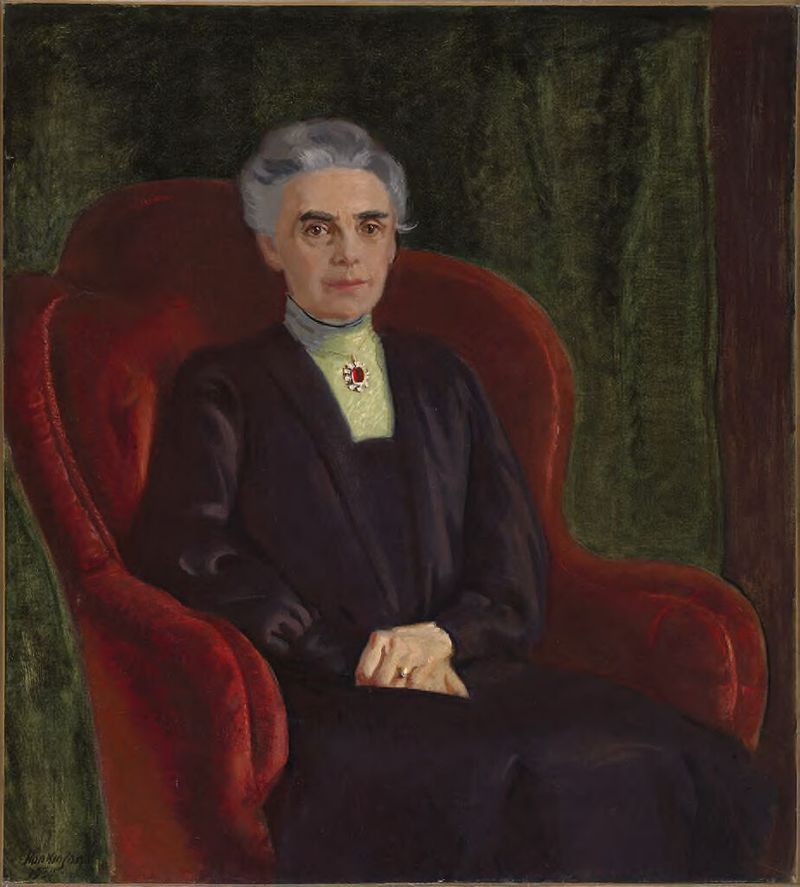
Anna Parker Lowell (Mrs. Abbott Lawrence Lowell) (d. 1930)
Charles Sydney Hopkinson

Abbott Lawrence Lowell (1856-1943)
Charles Sydney Hopkinson
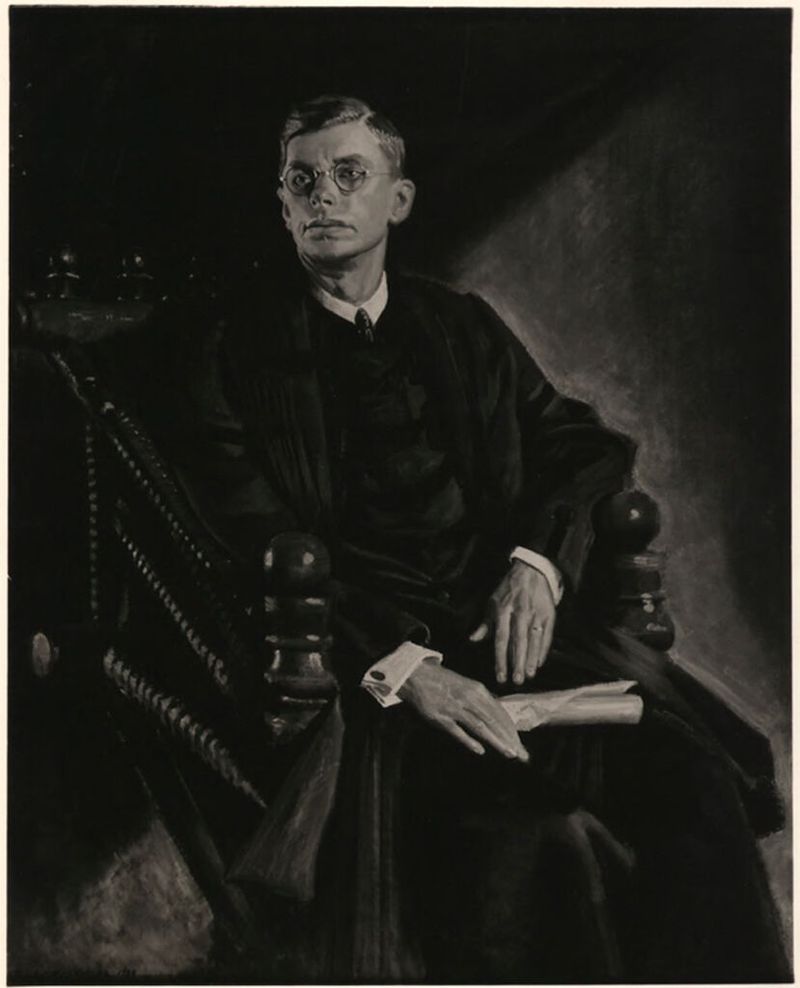
James Bryant Conant (1893-1978)
Charles Sydney Hopkinson
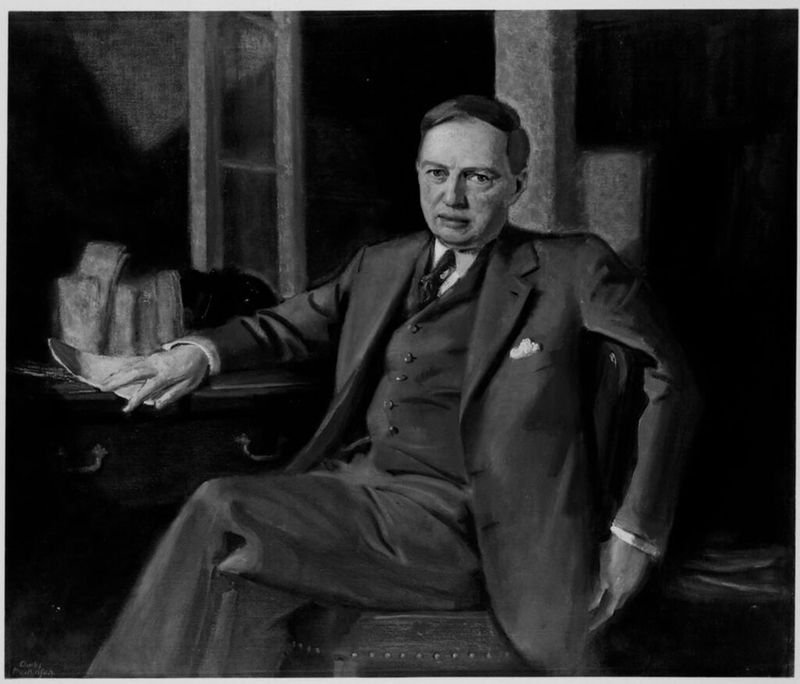
Harlow Shapley (1885-1972)
Charles Sydney Hopkinson
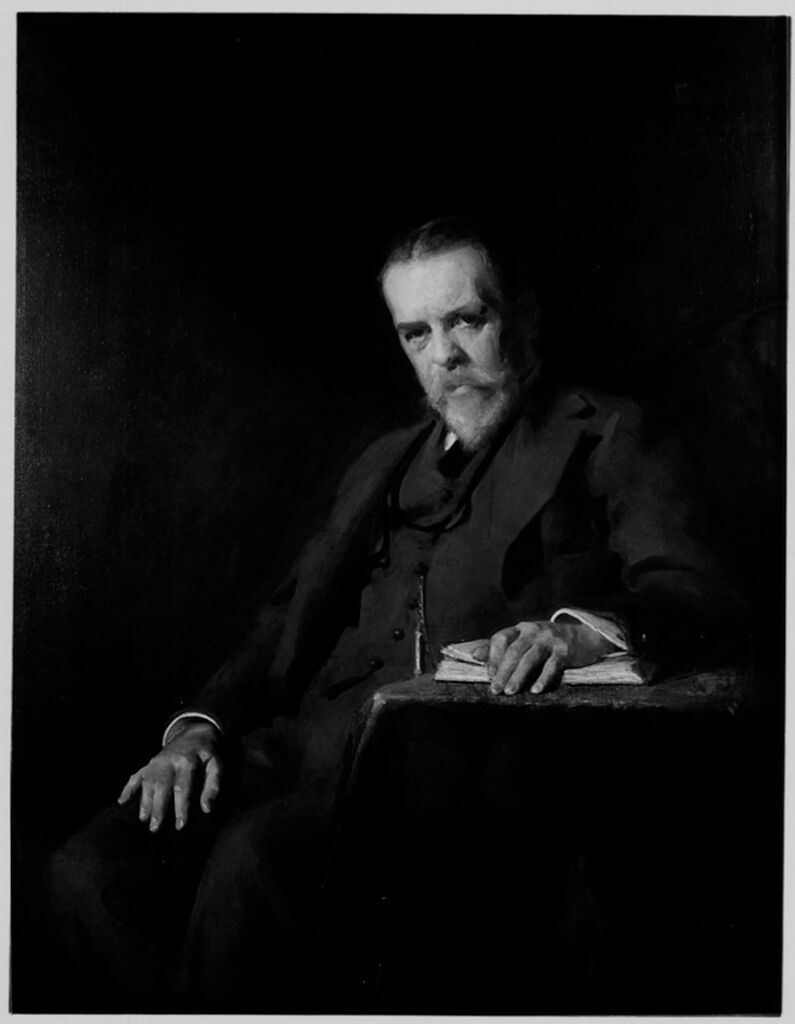
Barrett Wendell (1855-1921)
Charles Sydney Hopkinson
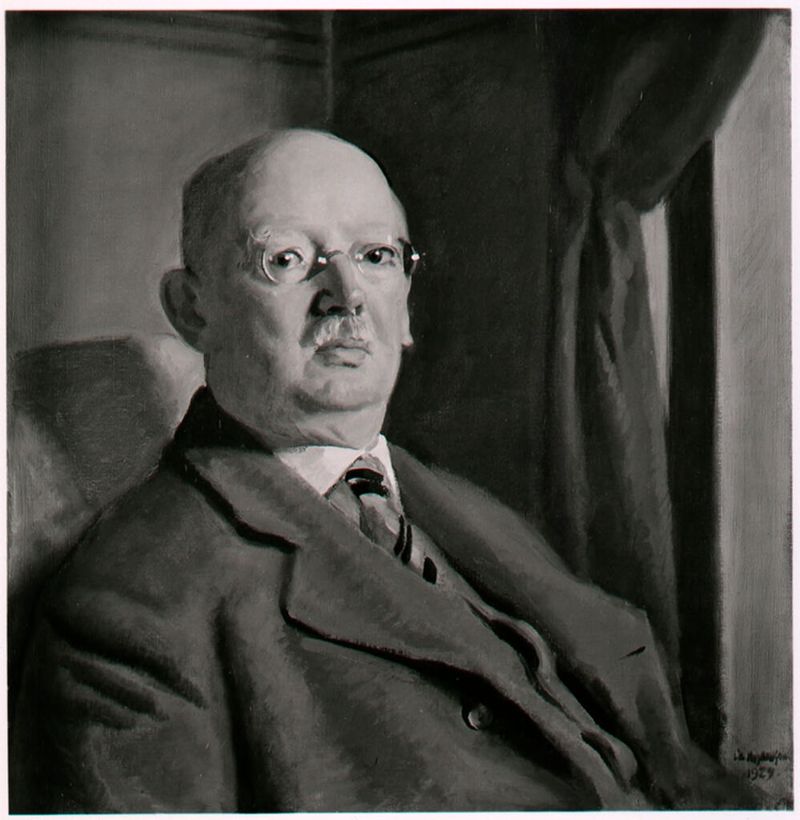
Edward Channing (1856-1931)
Charles Sydney Hopkinson
More Portrait Art
Browse all →
Las meninas
Diego Velázquez

Self-portrait with a Bandaged Ear and Pipe
Unidentified artist

Girl with a Pearl Earring
Johannes Vermeer

The Sampling Officials of the Amsterdam Drapers’ Guild, Known as ‘The Syndics’
Rembrandt van Rijn

The Hundred Guilder Print: the man seen on the back in the lower left corner
Rembrandt van Rijn

Portrait of Dr Gachet
Vincent van Gogh