Winchelsea — History & Facts
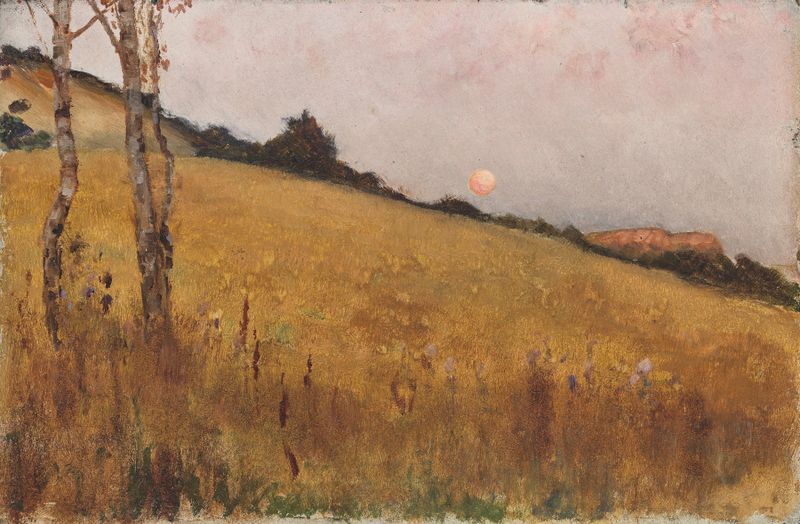
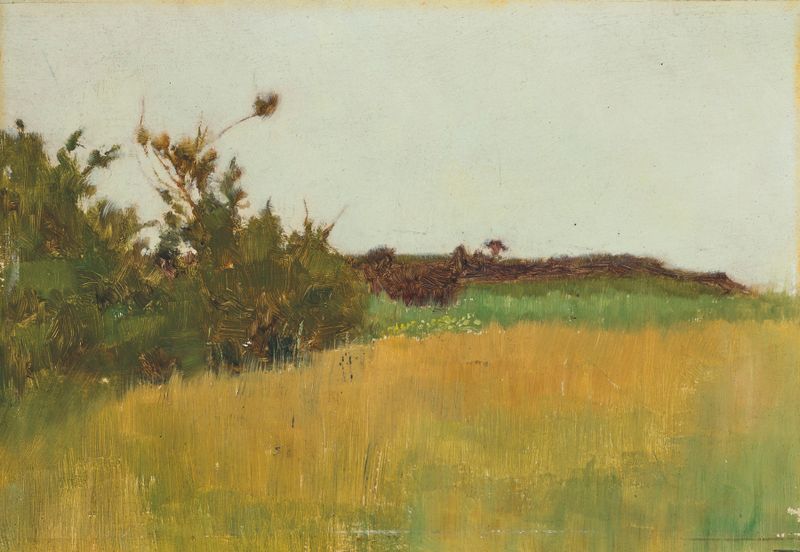
Where does light end, and longing begin? In the heart of Winchelsea, the interplay of illumination and shadow evokes a palpable yearning, inviting us to delve into a world where divinity waltzes with the earthly. Look to the left of the canvas, where soft light spills over aged stone, illuminating the subtle textures with a golden glow. The viewer's eye is drawn to the gentle curves of the architecture, a harmonious union of nature and mankind. Notice how the cool blues and greens provide a calming contrast, creating a tranquil atmosphere that speaks of serenity and introspection.
Each brushstroke seems deliberate, enhancing the ethereal quality of the scene, as though the landscape itself is whispering secrets of the past. Beneath the surface, the painting reveals layers of meaning, each rich with emotional tension. The interplay of the sturdy, aged structures against the delicate light suggests a conversation between permanence and impermanence, between the divine and the mortal. There’s a profound sense of nostalgia, hinting at the passage of time and the longing for an ideal that feels just out of reach.
This contrast invites reflection on our connection to history, nature, and the transcendent beauty that lingers in memory. William Padgett created Winchelsea during a time when he was exploring themes of harmony in landscape painting, likely in the early 20th century. The work reflects a period marked by artistic experimentation, with Padgett seeking to capture the essence of places rather than their literal representation. This era fostered a dialogue between traditional techniques and modern sensibilities, allowing his brush to speak to the divine in the everyday.