Windröschen. Anemone nemorosa — History & Facts
In Windröschen. Anemone nemorosa, the viewer is greeted by a soft palette of greens and whites. The delicate petals of the anemone flower stand out against a blurred background, suggesting a natural setting.
The composition focuses on the flower, capturing its intricate details and textures. Light plays gently on the petals, enhancing their fragility and beauty. The painting is executed in oil on canvas, a medium that allows for rich color and detail. The brushwork is fine, highlighting the delicate nature of the flower.
The use of light and shadow creates depth, making the anemone appear almost three-dimensional. The overall effect is one of realism, typical of the Romantic style. Adolf Schrödter was known for his botanical illustrations, and this work exemplifies his skill in capturing the beauty of nature. Windröschen.
Anemone nemorosa reflects the Romantic fascination with the natural world. An interesting fact about this painting is that it was likely created during a time when botanical studies were gaining popularity in Europe. Schrödter's work contributed to this movement, blending art and science.
More Artworks by Adolf Schrödter

Göthe
Adolf Schrödter

Don Quixote
Adolf Schrödter
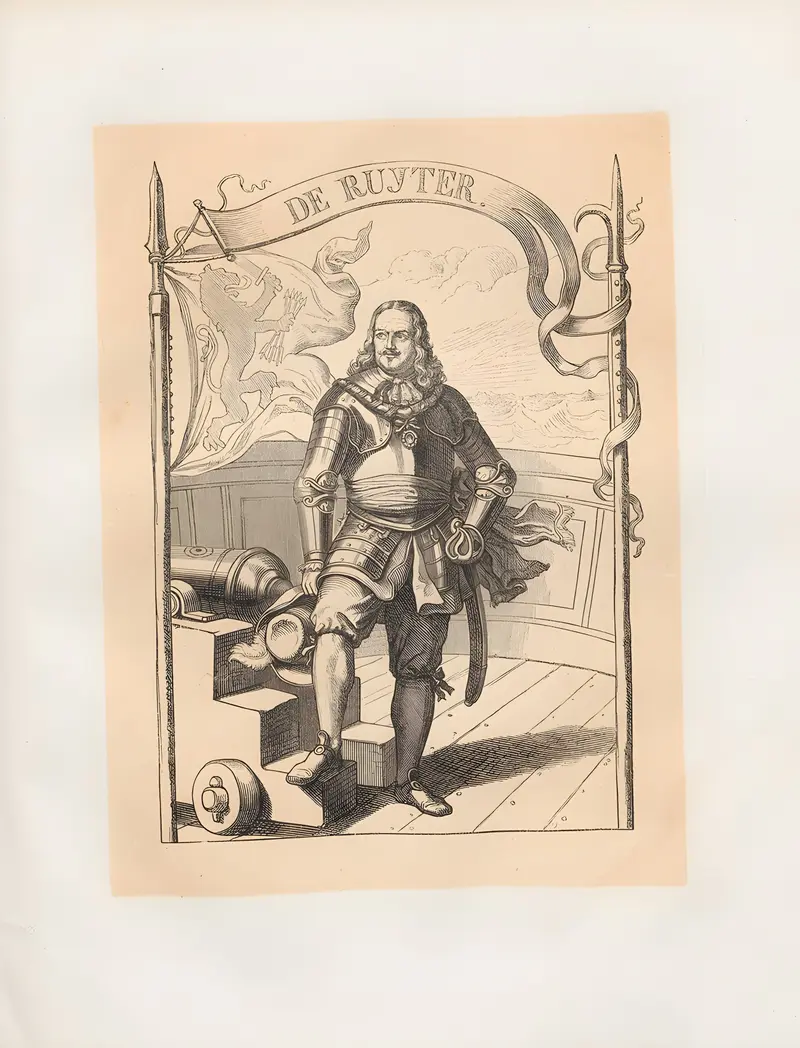
De Ruyter
Adolf Schrödter
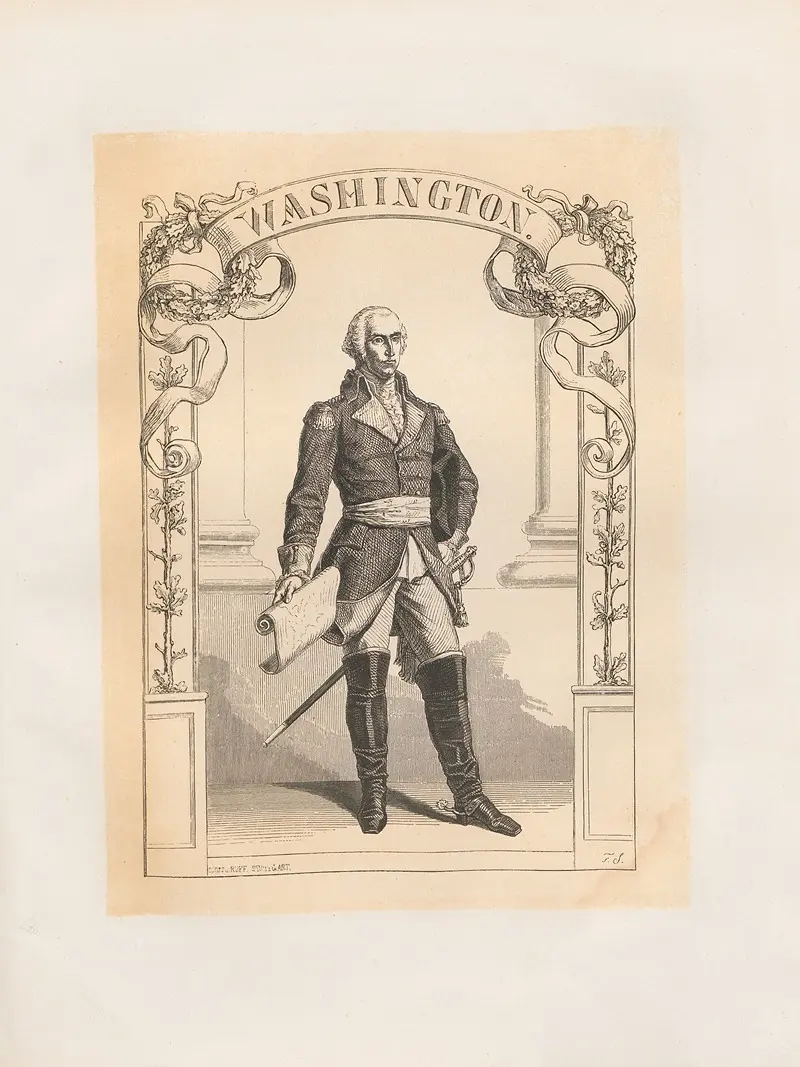
Washington
Adolf Schrödter
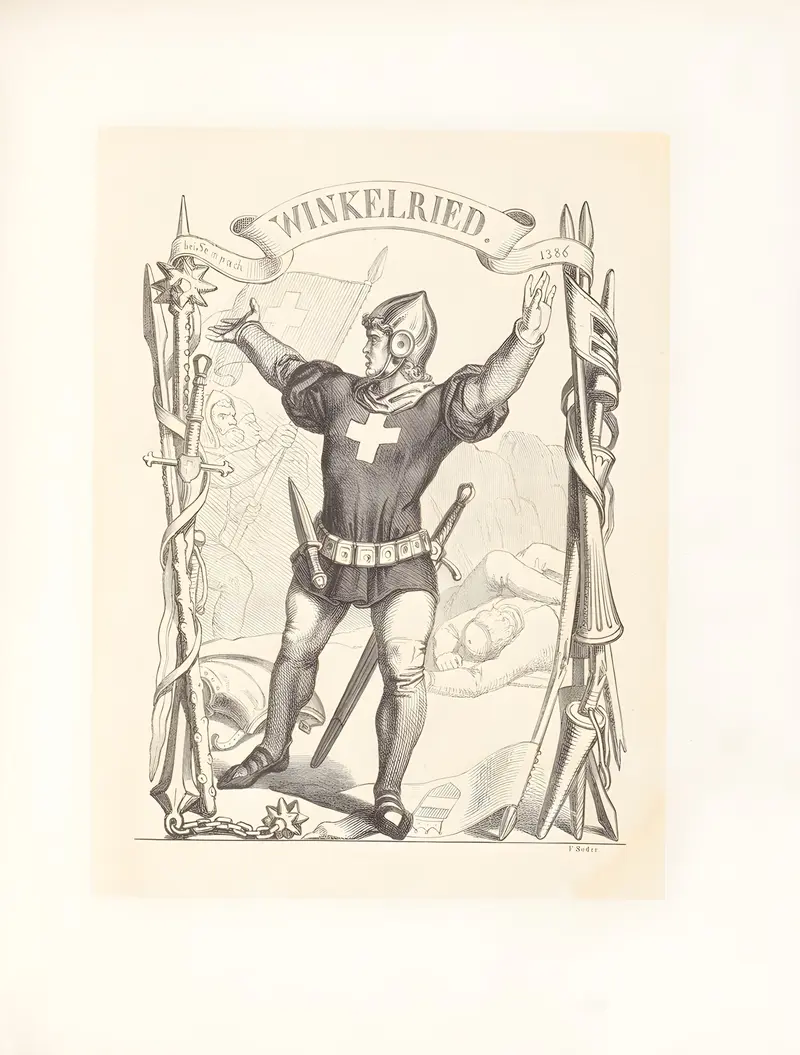
Arnold Winkelried
Adolf Schrödter
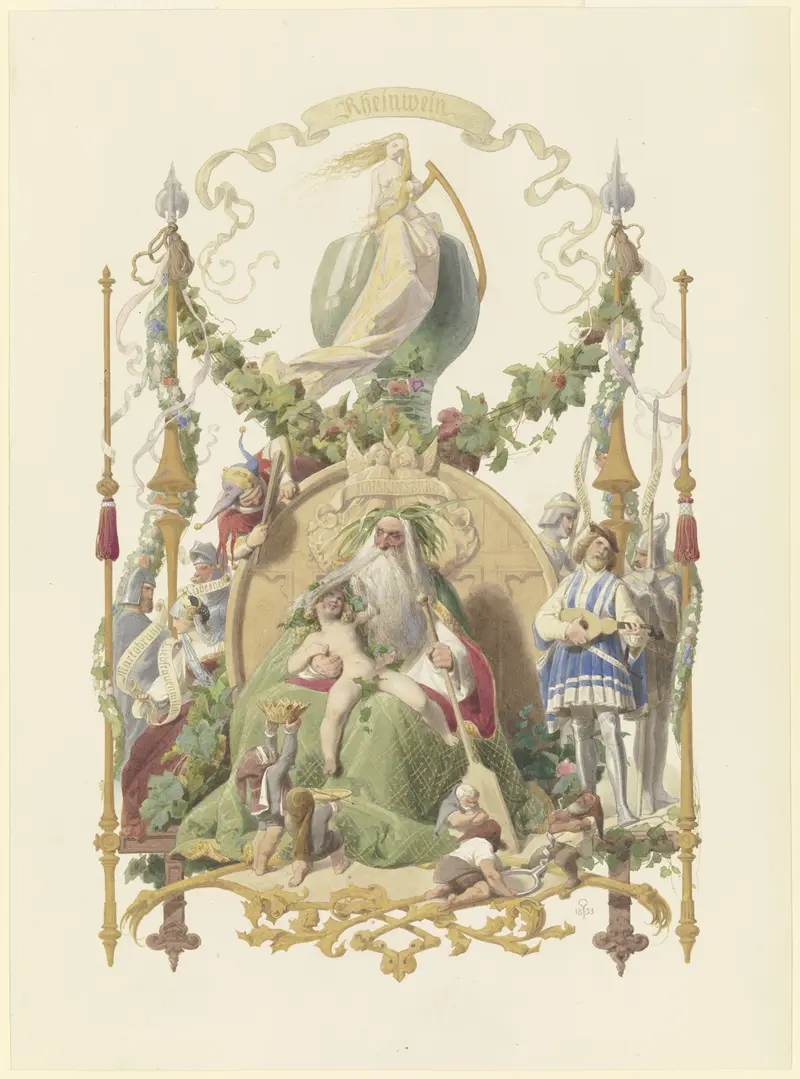
Die vier Hauptgetränke: Rheinwein
Adolf Schrödter

Ein Bouquet von blauen Winden, darunter ein sich voreinander verbeugendes Paar
Adolf Schrödter
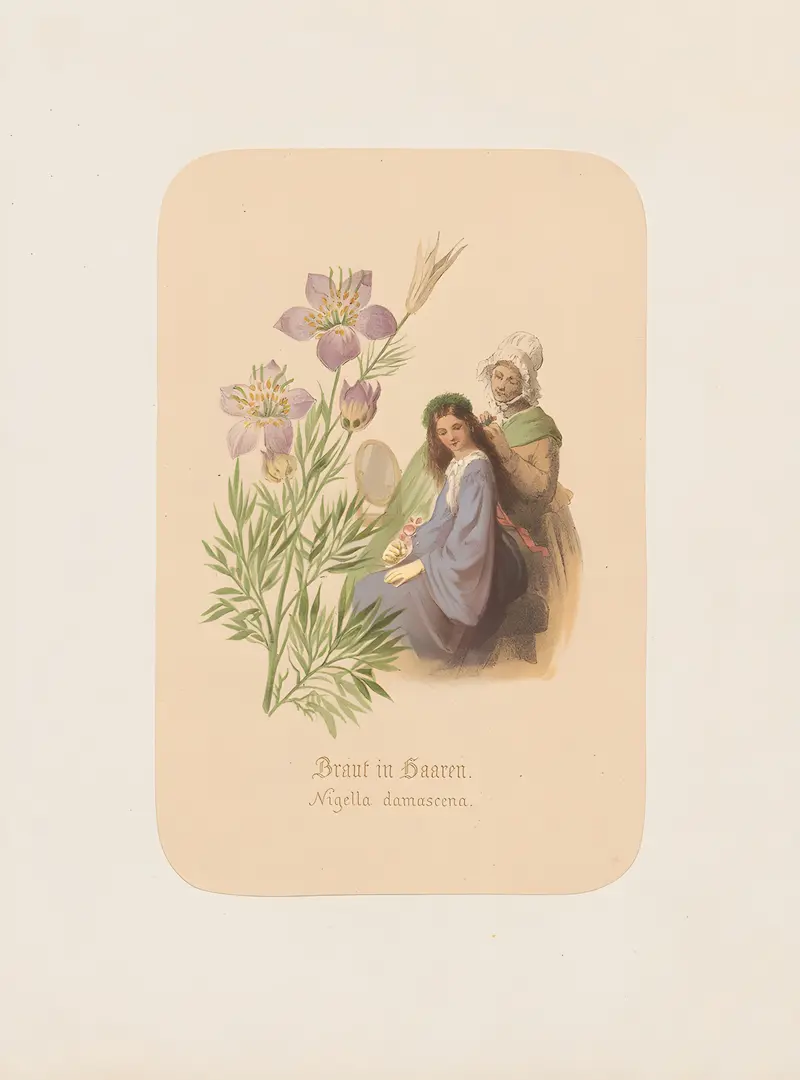
Braut in Haaren. Nigella damascena
Adolf Schrödter
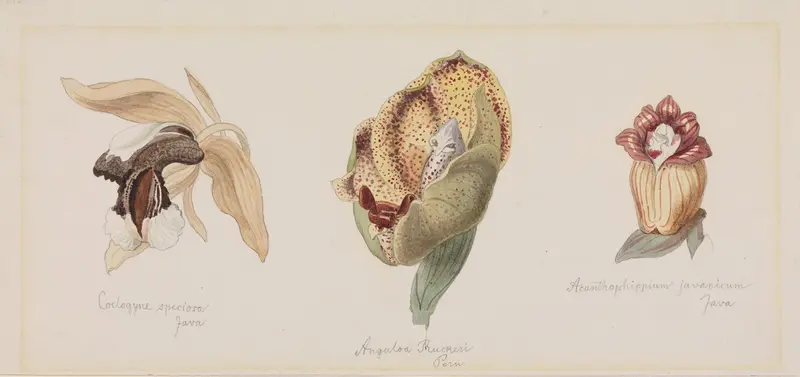
Drei verschiedene Orchideenblüten
Adolf Schrödter
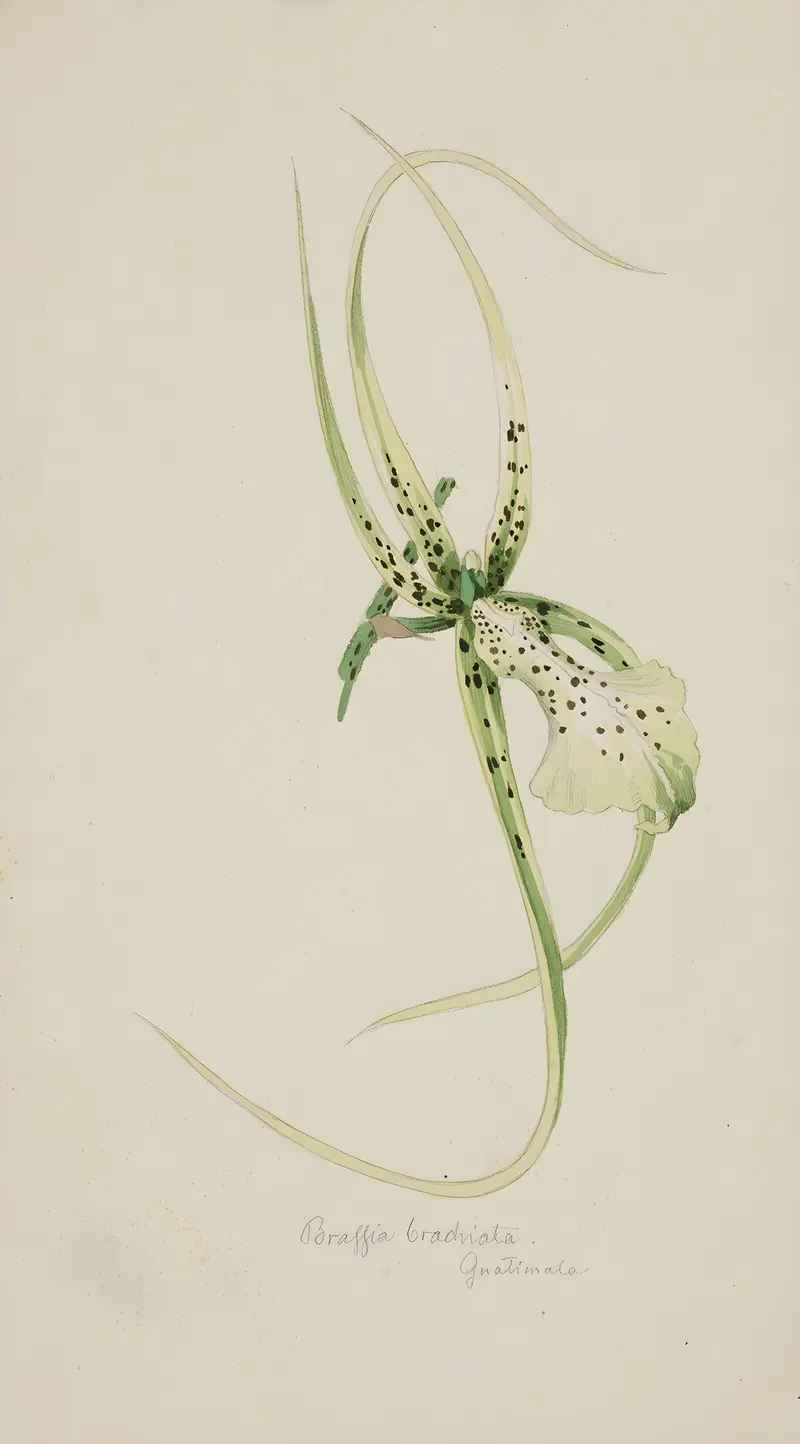
Orchidee ‘Brassia Brachiata’ (Guatemala)
Adolf Schrödter