
Windsor — History & Facts
In Windsor, the illusion of tranquility overlays the complexity of emotion and memory. Turner’s masterful strokes reveal a world that might seem still, yet whispers countless stories beneath the surface. Look to the left at the delicate contours of the castle, its regal presence softened by a gentle haze. Notice how light dances upon the water, creating a shimmering pathway that draws the eye toward the distant horizon.
The palette, dominated by soft blues and warm golds, evokes both serenity and nostalgia, inviting contemplation of what lies beyond the visible. The interplay of these colors reflects not just the scene but also the spiritual undertones of the moment. As you delve deeper, contrasts emerge between the solidity of Windsor Castle and the ethereal quality of the surrounding landscape. The opacity of the structure stands firm against the translucent reflections on the river, suggesting a tension between permanence and evanescence.
The wisps of clouds overhead hint at transience, encouraging the viewer to ponder the passage of time and the stories held within these silent walls. In 1798, Turner was in a period of growth, experimenting with light and color while his reputation was still in formation. Working in England, he was influenced by the Romantic movement, which sought to capture emotional depth and the sublime. This painting reflects his emerging mastery and the artistic dialogues of his time, marrying representation with a sense of illusion that would come to define his work.
More Artworks by Joseph Mallord William Turner
Browse all →
Dort or Dordrecht- The Dort Packet-Boat from Rotterdam Becalmed
Joseph Mallord William Turner
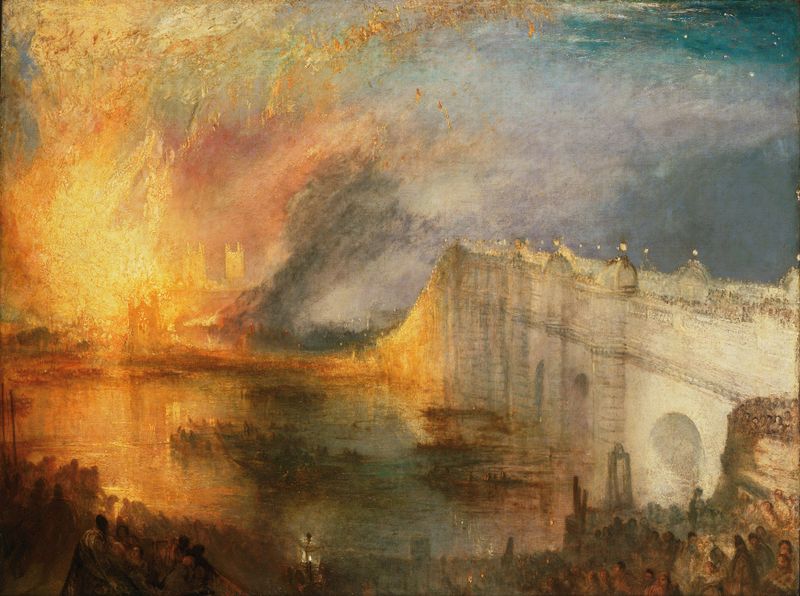
The Burning of the Houses of Lords and Commons, October 16, 1834
Joseph Mallord William Turner
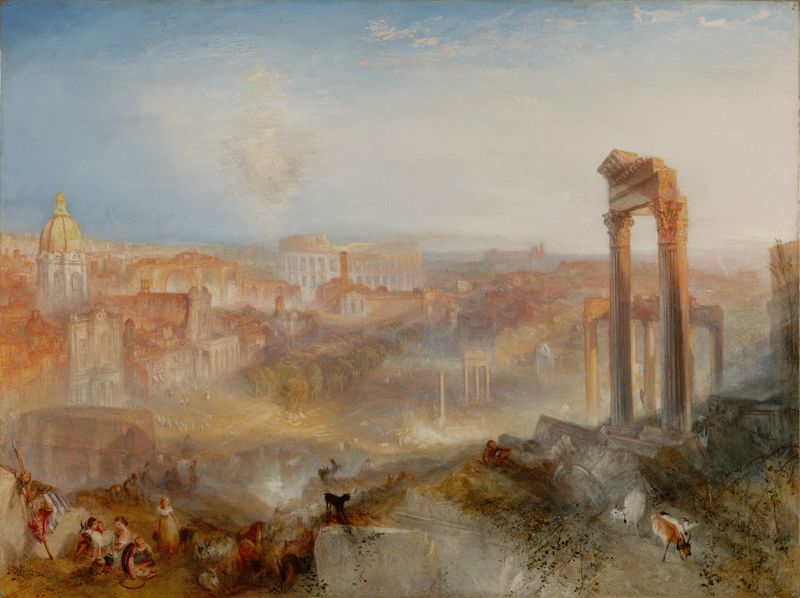
Modern Rome – Campo Vaccino
Joseph Mallord William Turner
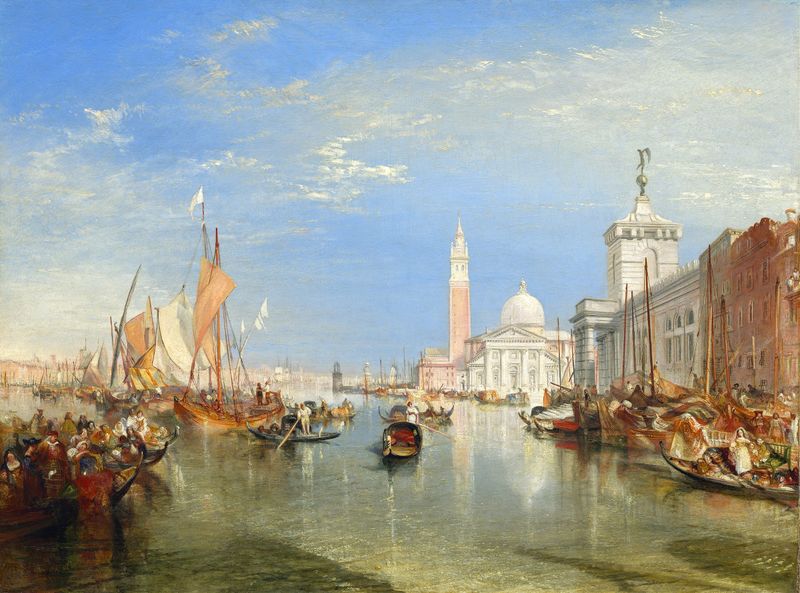
Venice – The Dogana and San Giorgio Maggiore
Joseph Mallord William Turner

The Burning of the Houses of Lords and Commons, 16 October 1834
Joseph Mallord William Turner
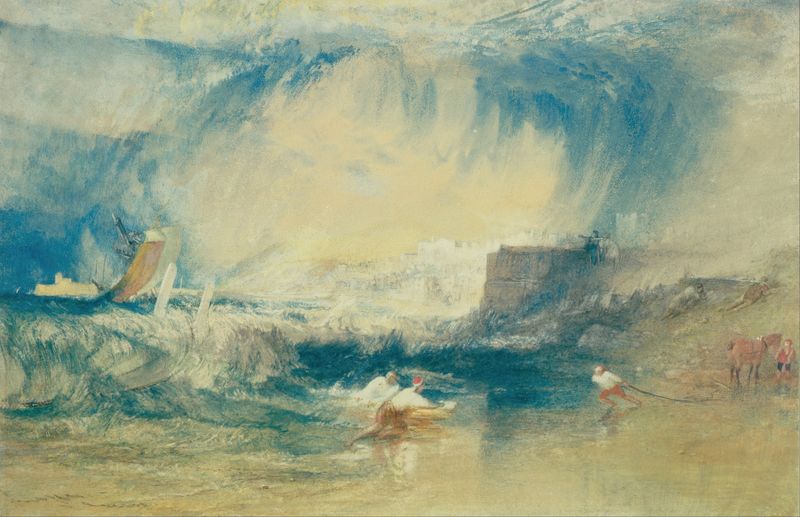
Lyme Regis, Dorsetshire, England
Joseph Mallord William Turner
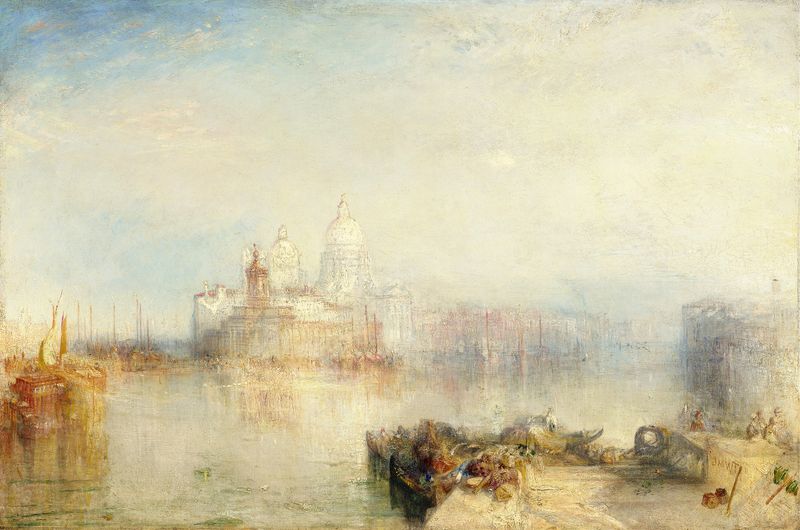
The Dogana and Santa Maria della Salute, Venice
Joseph Mallord William Turner
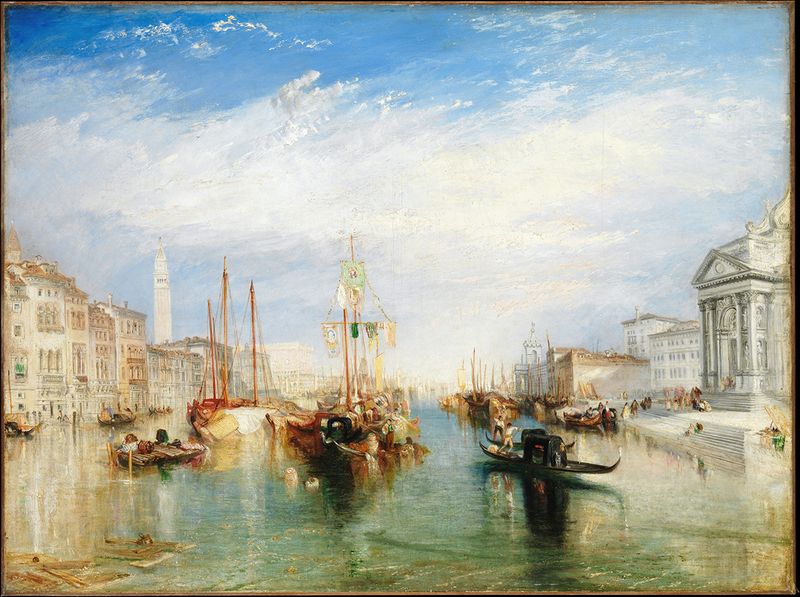
Venice, from the Porch of Madonna della Salute
Joseph Mallord William Turner
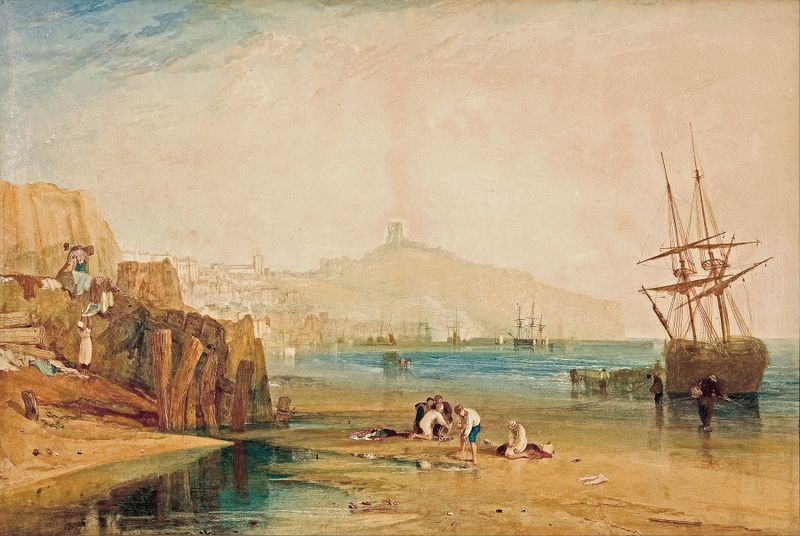
Scarborough town and castle; morning; boys catching crabs
Joseph Mallord William Turner
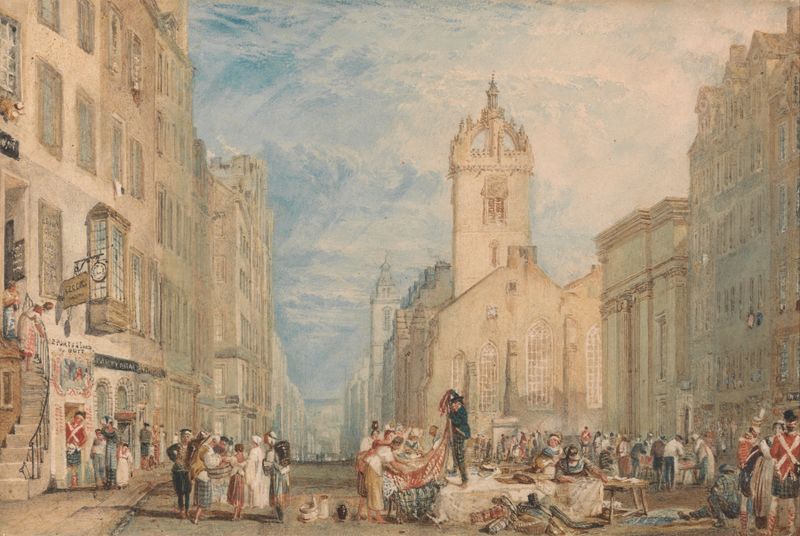
High Street, Edinburgh
Joseph Mallord William Turner





