Winter atmosphere — History & Facts
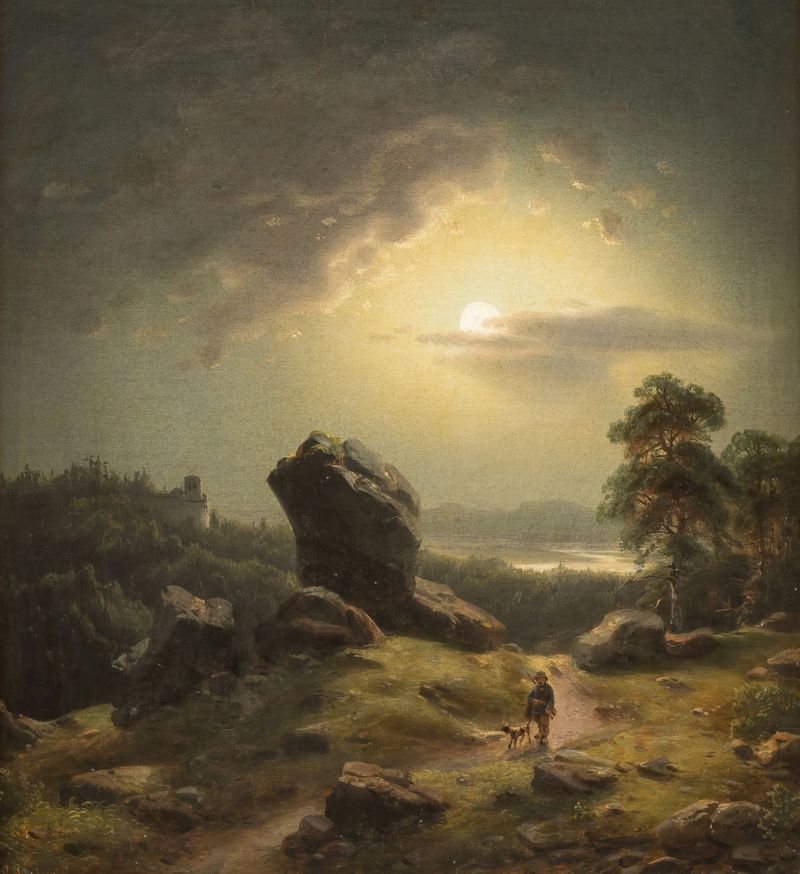
Can beauty exist without sorrow? In the chilling embrace of winter, the transformation of nature invites contemplation, revealing layers of emotion beneath its serene surface. Look to the canvas, where hues of deep blues and muted whites blend seamlessly, creating a landscape that feels both haunting and tranquil. The soft brushstrokes, reminiscent of gentle snowfall, draw the eye across the frosted expanse, inviting exploration of the quiet corners where shadow meets light. Each tree, stripped bare, stands as a testament to resilience, their stark forms contrasting against the ethereal backdrop, embodying both fragility and strength. In this scene, the stillness whispers of yearning and nostalgia.
Notice how the subtlest hints of warmth peek through the cold palette, suggesting the possibility of renewal and the promise that comes with each passing season. The interplay of light and darkness evokes a sense of time’s relentless march, echoing the duality of hope and despair that defines the human experience. The transformation of the landscape mirrors our own journeys, rich with moments of beauty intertwined with loss. During the time Winter Atmosphere was created, Carl Ludwig Scheins was influenced by the artistic currents of his era, which celebrated the emotional resonance of nature.
Working in Germany, he captured the essence of the changing seasons, reflecting both personal and collective experiences. This period marked a burgeoning fascination with landscapes as expressions of inner life, revealing Scheins' keen understanding of art's ability to transcend mere representation and resonate with deeper truths.