
Winter landscape — History & Facts
When did color learn to lie? In Winter Landscape, the palette hints at a truth buried beneath layers of white and gray, awakening the senses to a world transformed by frost. This intriguing contradiction invites the viewer into a landscape where the cold seems palpable yet the colors pulse with life. Focus first on the horizon line where the dull sky meets a blanket of snow, punctuated by timid strokes of pale blue and hints of lavender. The composition is deftly balanced, guiding the eye through the undulating forms of snow-covered hills.
Notice how the artist employs subtle variations of white, creating texture that suggests both serenity and isolation, while still allowing the viewer to feel the chill of winter air. Upon closer inspection, emotional tensions reveal themselves in the interplay between light and shadow. The sparse trees, stripped of their leaves, stand as solitary figures, suggesting resilience amidst desolation. The vibrant yet muted colors hint at an awakening, where the dormant landscape whispers secrets of renewal and hope, hidden just under the surface of its frozen facade. Created in 1920, this piece reflects Jean Brusselmans’ exploration of the Belgian countryside during a period marked by post-war introspection.
Living in a world reshaped by change, he painted scenes infused with personal reflection, using winter not just as a backdrop, but as a metaphor for the deeper transformations both in nature and in society.
More Artworks by Jean Brusselmans
Browse all →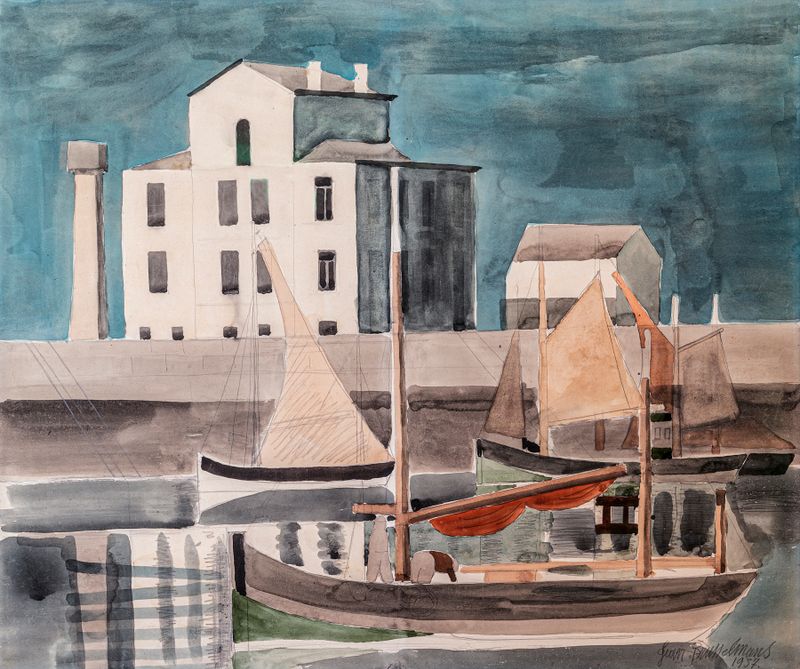
Haven van Oostende
Jean Brusselmans

Paysage Sint-Martens-Bodegem III
Jean Brusselmans

Tuinen
Jean Brusselmans

Winterlandschap (Sneeuwlandschap)
Jean Brusselmans

Vuurtoren te Oostende
Jean Brusselmans

The old Princess Bridge in Molenbeek-Saint-Jean
Jean Brusselmans

North Sea
Jean Brusselmans
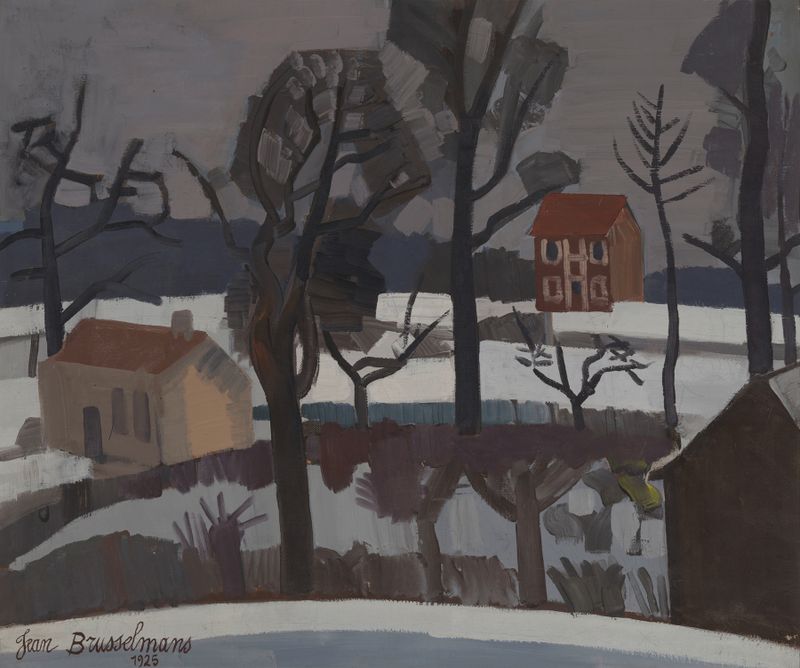
Winterlandschap (Sneeuwlandschap)
Jean Brusselmans
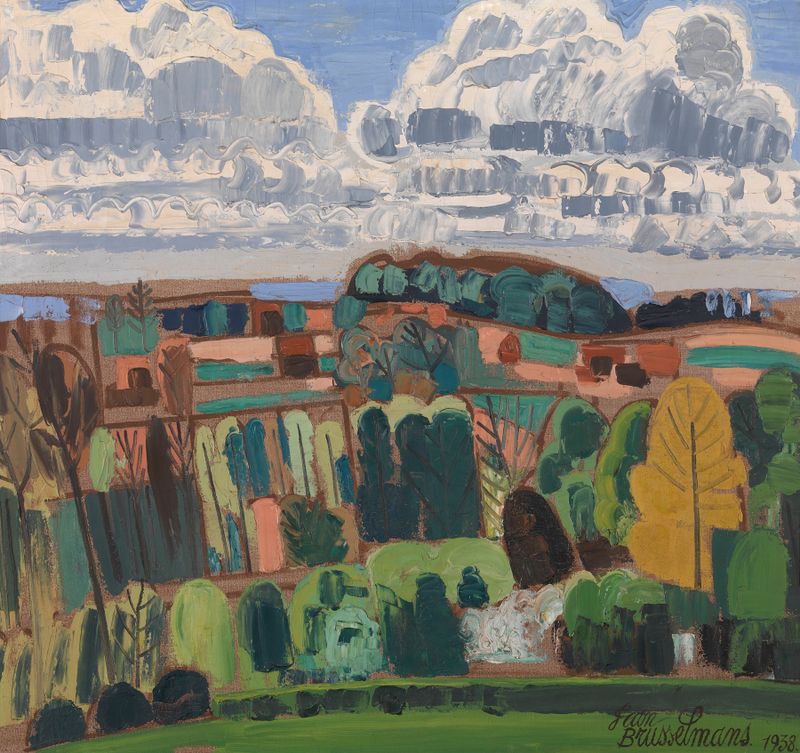
Pajottenland
Jean Brusselmans
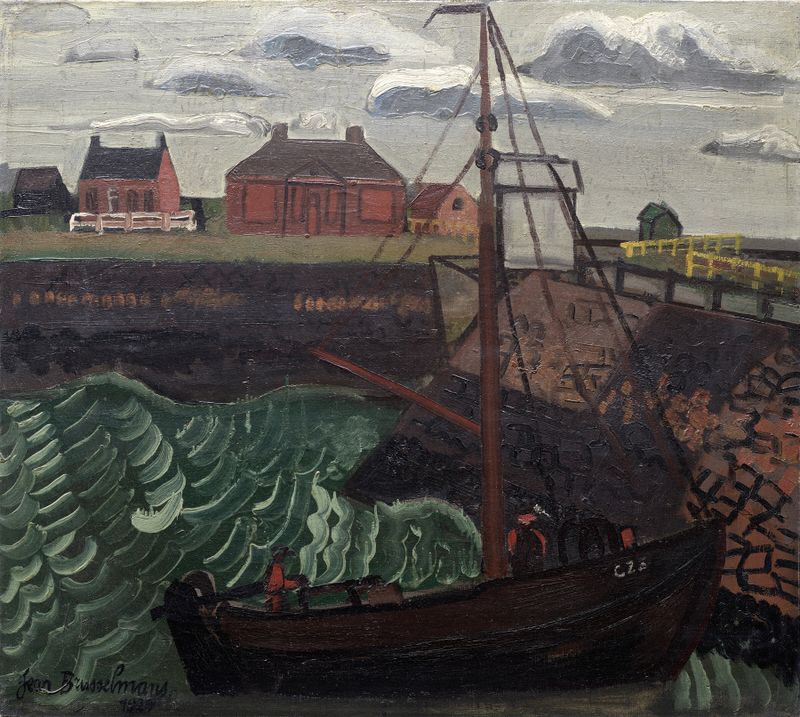
Port de pêche
Jean Brusselmans





