
Winter landscape with a windmill — History & Facts
In the quietude of winter, we are invited to witness a serene yet haunting landscape where nature’s stark beauty evokes a profound sense of longing and transcendence. Look to the left, where the windmill stands as a solitary figure against the pale expanse of snow, its blades frozen in time. The muted palette of whites and greys contrasts with the warm golden light illuminating the distant horizon, suggesting the fleeting nature of warmth amidst the chilling embrace of winter. Notice how the delicate brushwork captures the crystalline texture of the snow, creating a rhythmic flow that draws your eye across the canvas, leading to the horizon where the sky meets the earth. Hidden within this tranquil scene lies an emotional tension between isolation and hope.
The windmill, a manmade structure, symbolizes industriousness but also hints at abandonment, echoing the solitude of the winter landscape. The subtle play of light conveys a sense of divinity, suggesting that even in the coldest depths of winter, warmth and beauty can emerge, though often tinged with sadness. The gentle shadows cast by the windmill provoke reflections on existence and the persistence of life amid desolation. In 1912, while living in Denmark, Laurits Andersen Ring created this artwork during a period that saw a growing interest in capturing natural scenes infused with emotional depth.
As an artist, he straddled the line between realism and impressionism, seeking to evoke a deeper connection to the landscapes that surrounded him — a pursuit that resonates powerfully in this piece, blending beauty with an undercurrent of melancholy.
More Artworks by Laurits Andersen Ring
Browse all →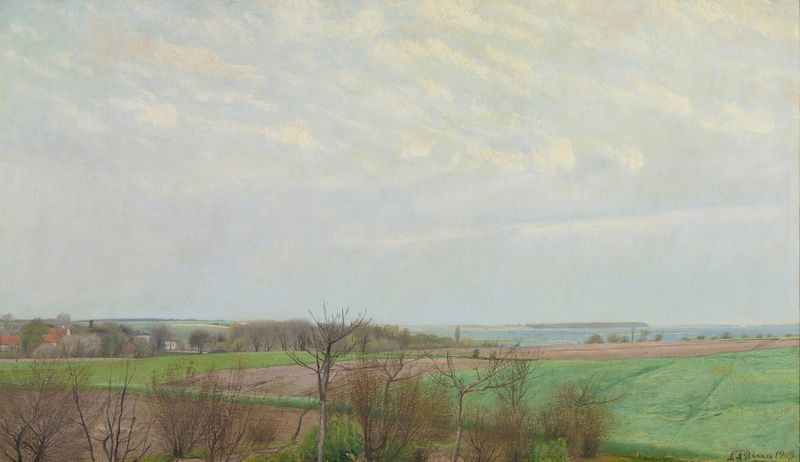
View Of Roskilde Fjord, Early Spring
Laurits Andersen Ring
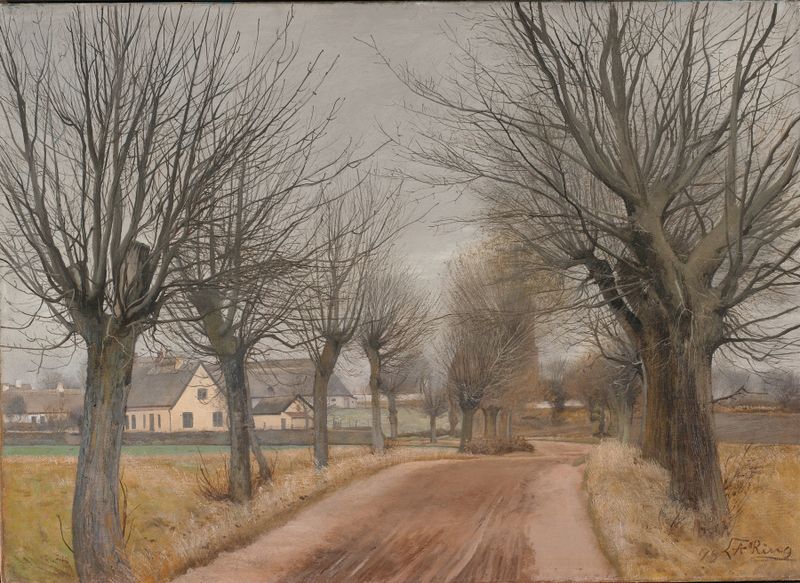
A Road near Vinderød, Zealand
Laurits Andersen Ring
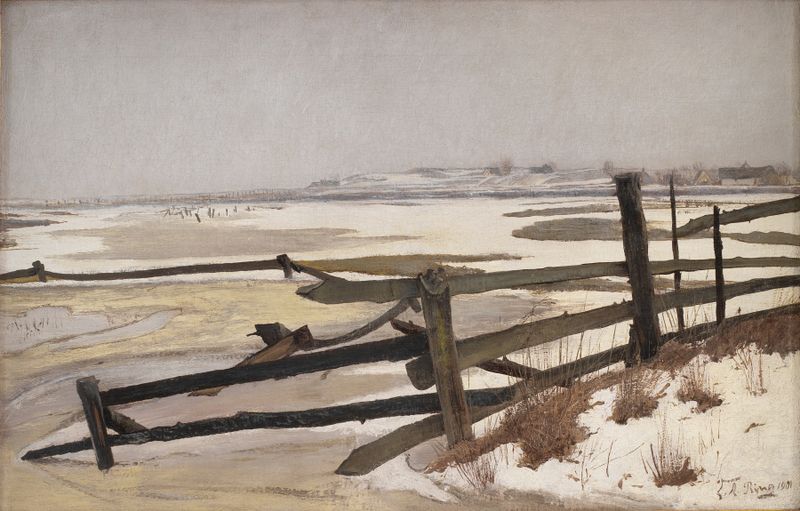
Thaw
Laurits Andersen Ring
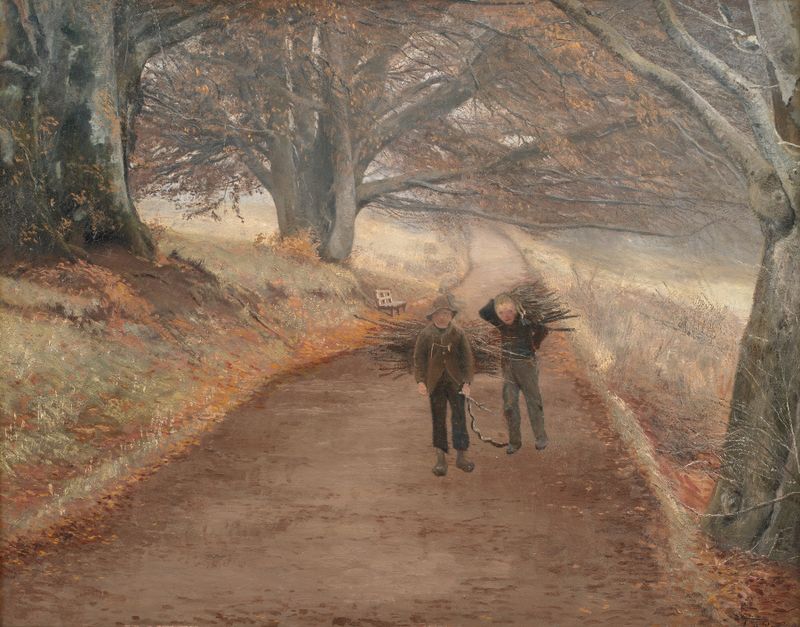
Footpath near Herlufsholm, Zealand
Laurits Andersen Ring
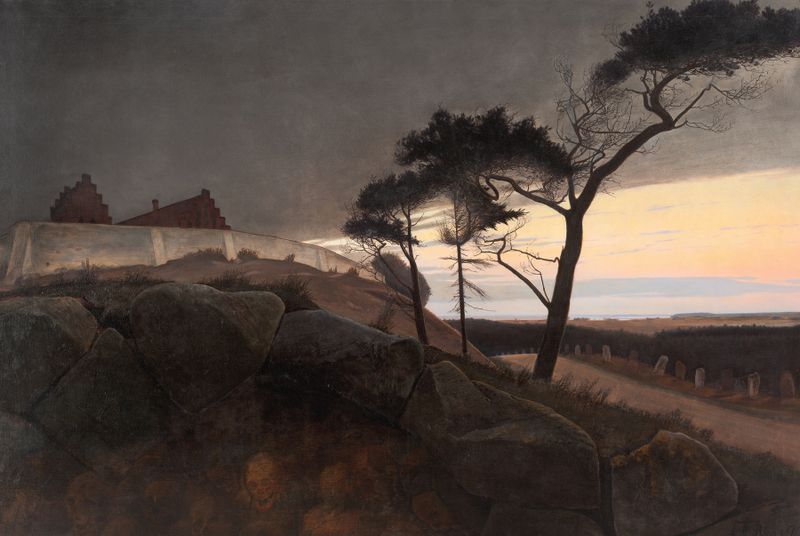
After Sunset
Laurits Andersen Ring
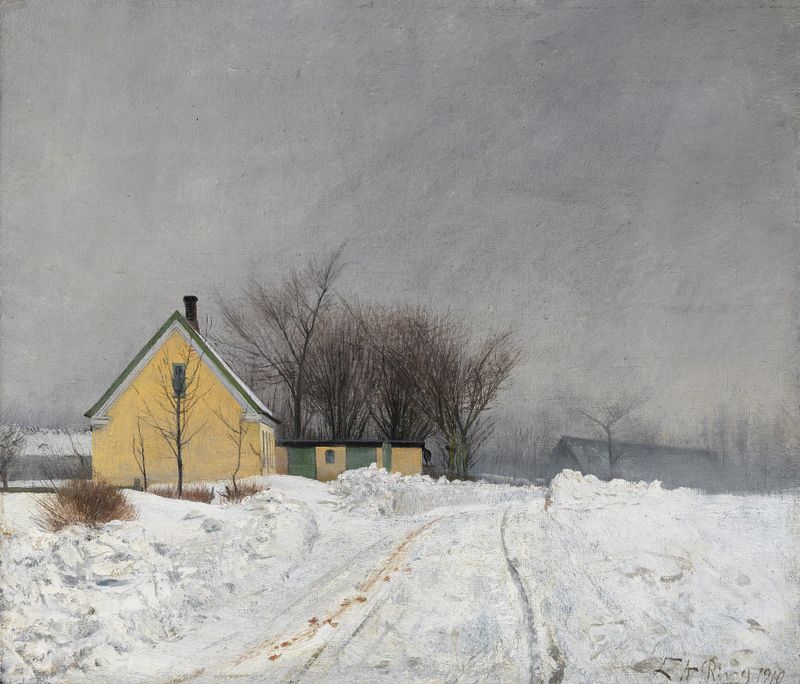
Foggy Winter Day. To the Left a Yellow House. Deep Snow.
Laurits Andersen Ring
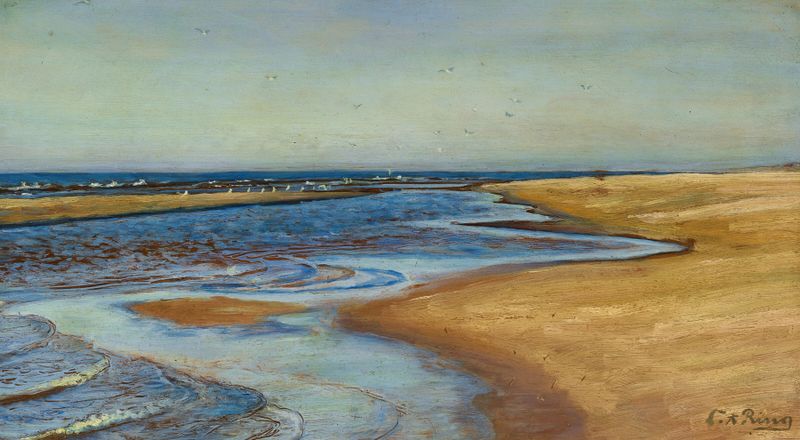
Mindegabet mellem Karrebæk Fjord og Smålandshavet
Laurits Andersen Ring
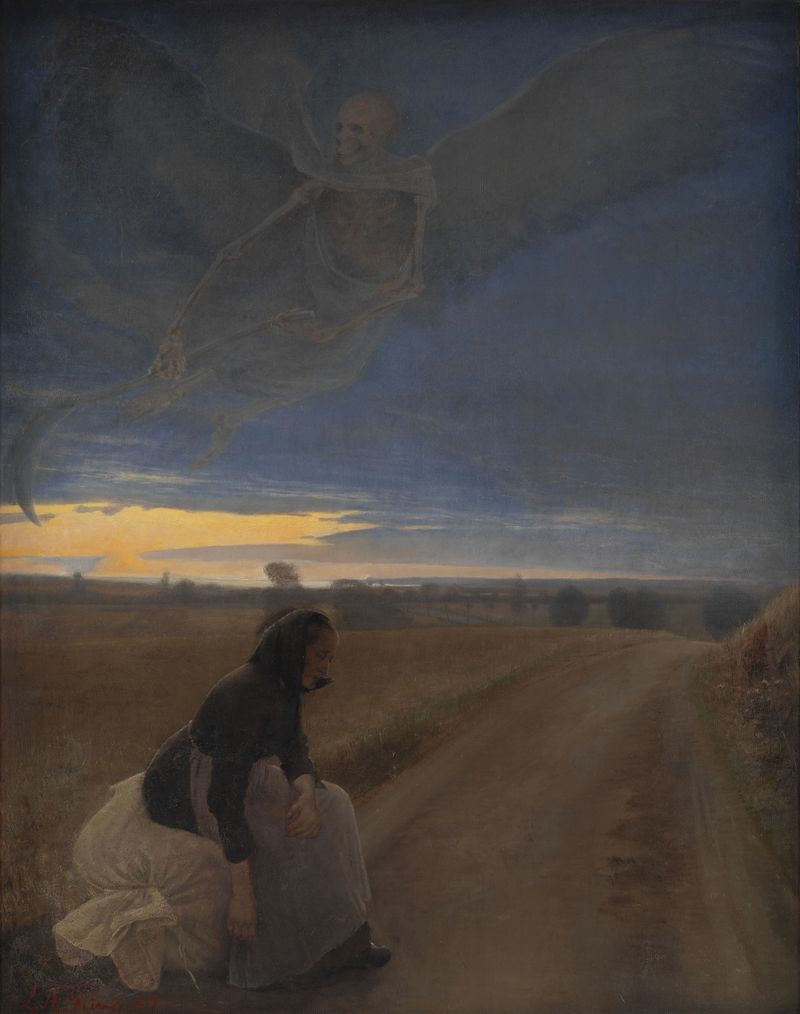
Evening
Laurits Andersen Ring
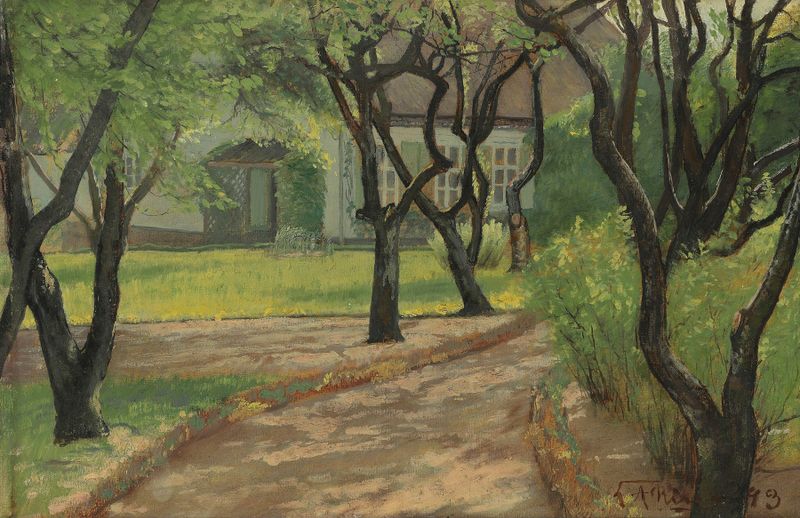
A winding path
Laurits Andersen Ring
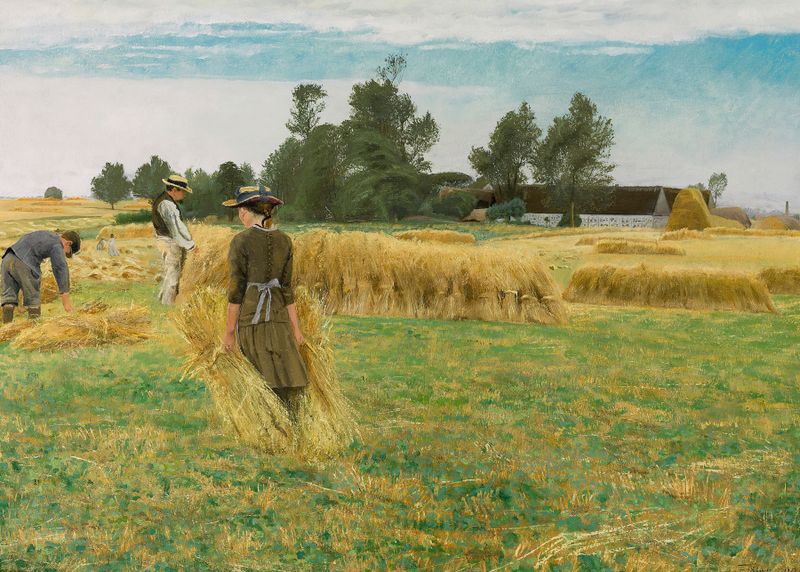
Harvest Time, Ladby
Laurits Andersen Ring





